By Jones Aanlimah
The Public Interest and Accountability Committee (PIAC) has engaged residents and stakeholders in the Ketu North Municipality of the Volta region on the management and utilisation of Ghana’s petroleum revenues, stressing the need for transparency, accountability, and prudent use of the country’s oil wealth.
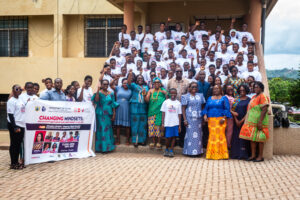
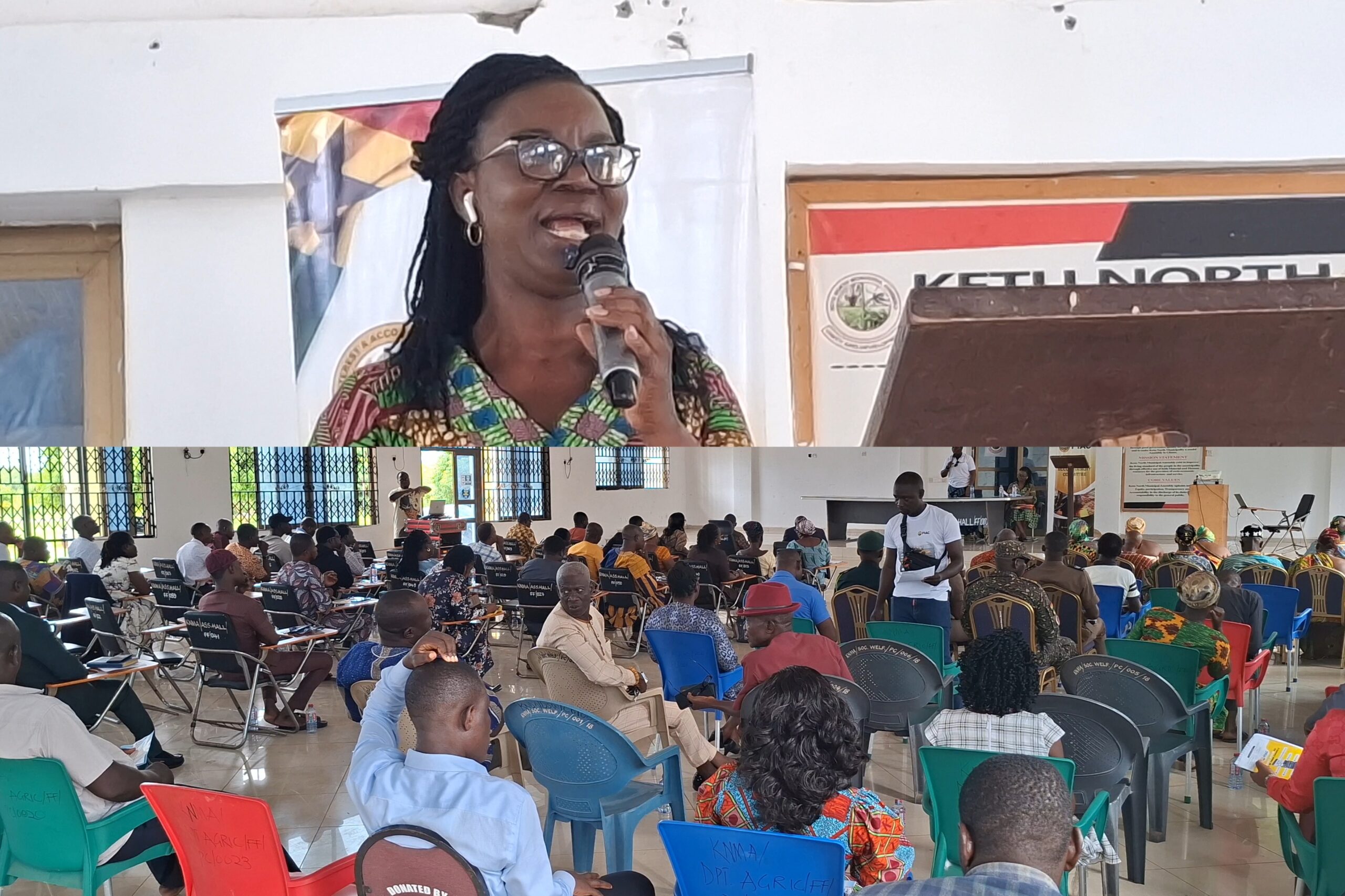
The public forum, held at Dzodze in the Volta Region, brought together traditional leaders, civil society groups, government officials, and members of the public to discuss findings from PIAC’s 2025 annual report on petroleum revenue management.
Addressing participants, the Ketu North Municipal Chief Executive, Rev. Prince Amenaki, described PIAC’s work as critical in promoting accountability in the petroleum sector.
“PIAC holds a vital mandate to monitor compliance, promote transparency and provide an independent platform for public debate on how our oil wealth is spent,” he stated.
Rev. Amenaki said the municipality had benefited from petroleum-funded projects, including the construction of a 1,000-metric-tonne warehouse at Dzodze and road infrastructure initiatives.
However, he raised concerns about an abandoned road project allegedly funded with petroleum revenues.
“Despite the official paperwork indicating that this road project was fully completed and that payments… were fully disbursed, the project was never actually executed and remains unfinished to this day,” he said.
According to him, a joint inspection by the assembly and PIAC revealed that the road linking parts of the municipality remains in a deplorable condition despite records showing the project had been completed.
“This raises a serious concern for our local economy… Someone must be held accountable for what essentially amounted to robbing both the state and the people of Dzodze for the development they were promised,” the MCE added.
A member of PIAC representing the Trades Union Congress (TUC), Freda Frimpong, explained that the committee’s mandate includes monitoring and evaluating the use of petroleum revenues as well as engaging citizens on issues relating to the sector.
“We are here today because PIAC is a citizen-led organisation, and one of our mandates is to engage the citizenry,” she noted.
Mrs. Frimpong disclosed that Ghana’s crude oil production has continued to decline since 2019, describing the trend as worrying.
“Since the highest production we had in 2019, there has been a decline,” she stated, adding that PIAC is recommending measures to attract more investment into the petroleum sector.
She also expressed concern over the management of the Ghana Stabilisation Fund, indicating that the amount retained in recent years did not comply with the legally required formula.
“PIAC is calling on the Minister of Finance to apply the appropriate formula so that we can earn that amount,” she stressed.
The committee further urged Parliament to ensure strict adherence to provisions of the Petroleum Revenue Management Act to prevent breaches in the management of petroleum funds.
PIAC also called for greater scrutiny of petroleum-funded projects across the country to ensure value for money and improved development outcomes for communities.
The forum formed part of PIAC’s nationwide public engagement activities aimed at increasing citizen participation in the governance of Ghana’s extractive sector.