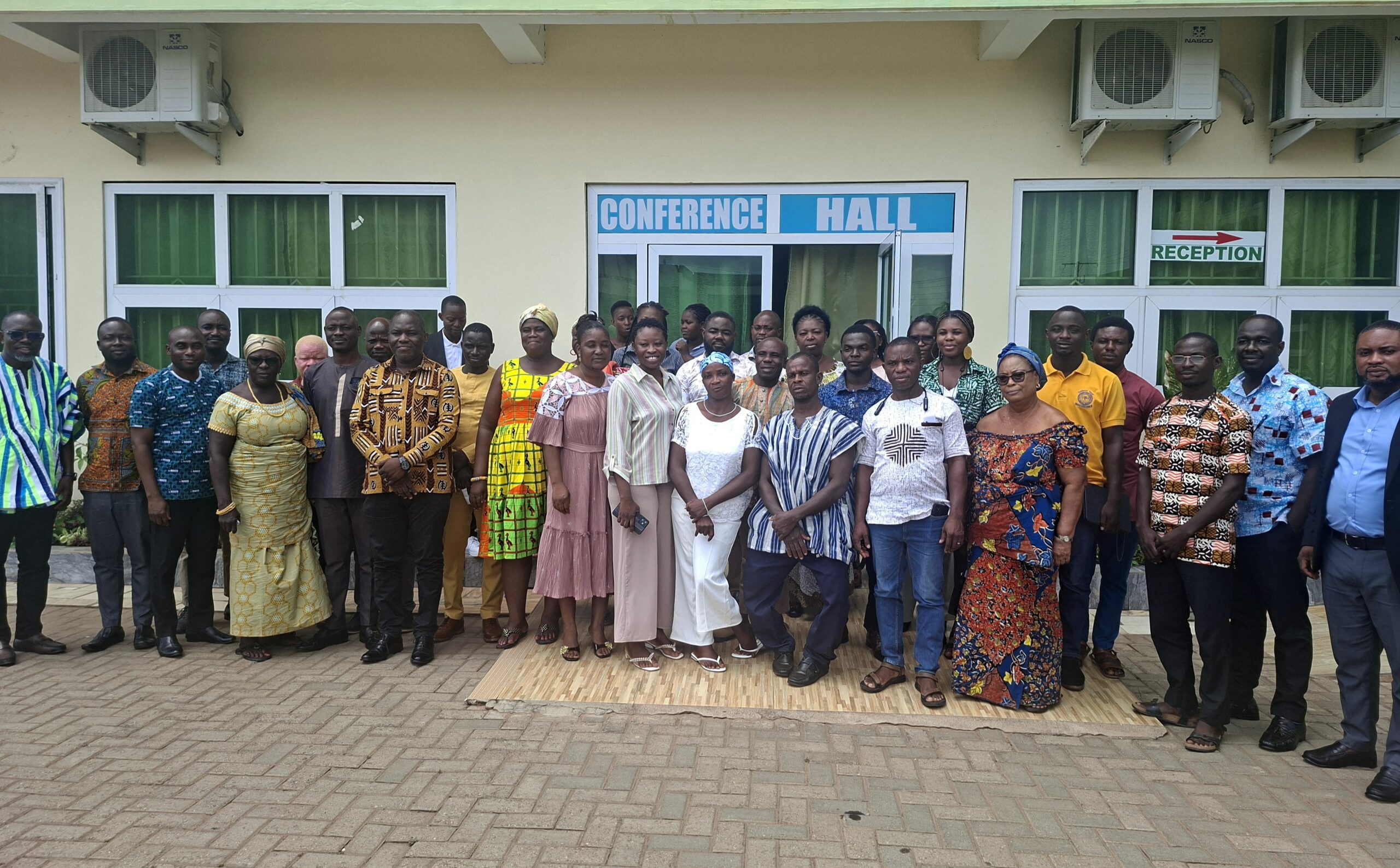
By Jones Anlimah
Stakeholders from government institutions, civil society organizations, health agencies, traditional authorities and development partners have been called upon to support efforts aimed at promoting the rights, dignity and inclusion of mothers and their girl children living with developmental disabilities in the Volta Region.
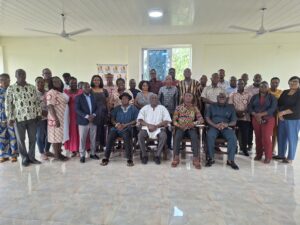
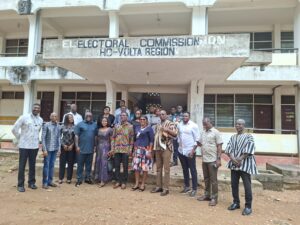
The call was made at an inception meeting organized by Kekeli Foundation Ghana, in collaboration with Plan International Ghana, to introduce a two-year project dubbed “Invisible No More: Advancing the Rights, Dignity, and Inclusion of Mothers and Their Girl-Child Living with Developmental Disabilities in the Volta Region of Ghana.”
The meeting, held in the Ho Municipality, sought to familiarize stakeholders with the project and foster partnerships to address stigma, discrimination and barriers faced by affected families.
A Lecturer at the Ho Technical University and a Gender Advocate, Charlotte Kpogli-Dzadey, said many mothers raising children with developmental disabilities continue to suffer exclusion and social stigma, forcing some into isolation.
“This project, which is Invisible No More, is supposed to give the mothers the voice to lead advocacy by themselves, to let society know that they are not cursed and their children are not cursed,” she said.
She noted that the initiative will promote inclusiveness in education, healthcare and accessibility while empowering mothers to advocate for their rights.
According to Mrs. Dzadey, statistics gathered by Kekeli Foundation indicate that nearly 98 percent of mothers caring for children with developmental disabilities have been abandoned by their spouses, leaving them with significant emotional and economic burdens.
“This puts more economic burden on the mothers. It drains them emotionally,” she stated.
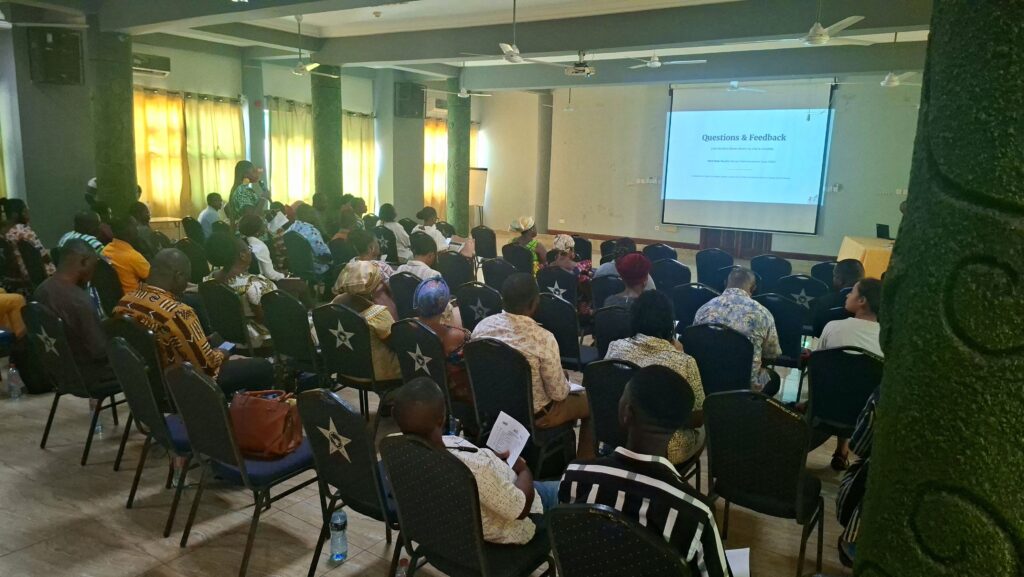
As part of the intervention, selected mothers will receive livelihood support and startup kits to strengthen their economic independence and improve the welfare of their households.
Ms. Dzadey stressed that societal attitudes remain one of the biggest obstacles confronting mothers and their children.
“It is high time we see such children as one of us. It is high time we create safe spaces for such children to make the mothers comfortable,” she said.
The project, funded by Global Affairs Canada through Plan International Ghana, will be implemented in four districts of the Volta Region, including the Ho Municipality. Key interventions will focus on leadership development, protection, community sensitization and livelihood empowerment.
Under the leadership component, sixty mothers are expected to receive training to strengthen their participation in decision-making processes at household, community and district levels.
The project will also facilitate community dialogues, engage Parent-Teacher Associations, collaborate with health institutions and support the establishment of self-advocacy groups to ensure that mothers and caregivers can speak directly on issues affecting them.
Mrs. Dzadey expressed optimism that the initiative would help dismantle harmful stereotypes and create a more inclusive society for persons living with developmental disabilities.
“The problem is not them. The problem is the society. The problem is the environment. The problem is us that is seeing them differently,” she emphasized.
Stakeholders at the meeting pledged their commitment to supporting the implementation of the project and advancing the inclusion and protection of mothers and children especially the girl-child living with developmental disabilities across the Volta Region.