By Jones Anlimah
Stakeholders have called on the National Health Insurance Authority (NHIA) to review the NHIS consultation policy to better address the healthcare needs of persons living with developmental disabilities, particularly children who are unable to communicate their health conditions.
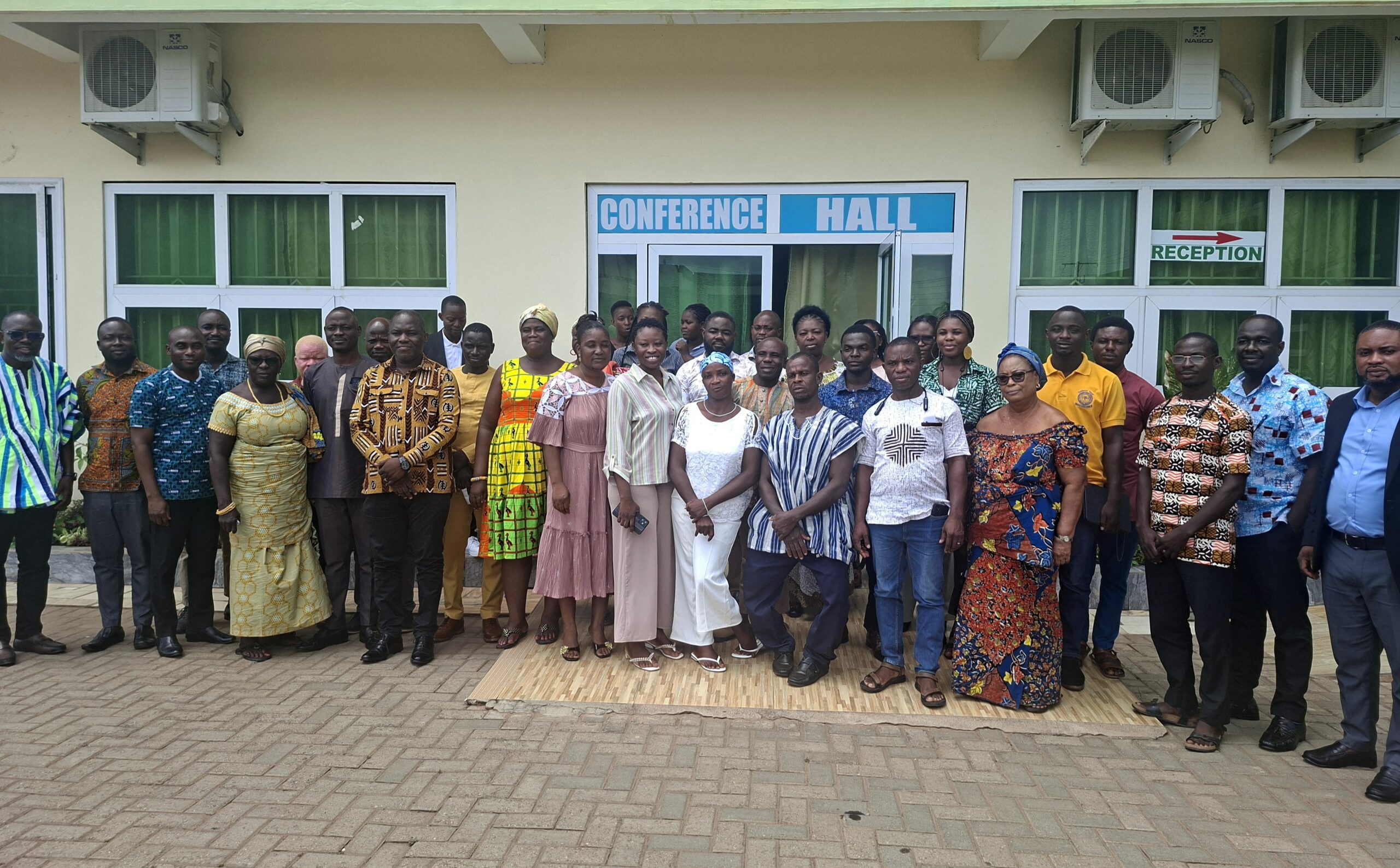
The appeal was made during a stakeholders’ inception meeting organized by Kekeli Foundation Ghana in collaboration with Plan International Ghana for the implementation of a two-year project titled “Invisible No More: Advancing the Rights, Dignity, and Inclusion of Mothers and Their Girl Children Living with Developmental Disabilities in the Volta Region of Ghana.”
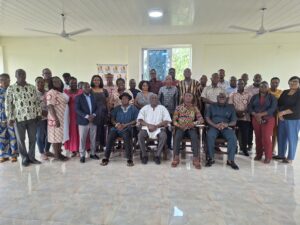
The meeting brought together representatives from the health sector, government institutions, civil society organizations and development partners to discuss challenges affecting mothers and children living with developmental disabilities.
Speaking at the event, Charlotte Kpogli-Dzadey, Gender Advocate, expressed concern over what she described as gaps in healthcare access for children with developmental disabilities under the NHIS.
According to her, many children living with developmental disabilities are unable to verbally communicate symptoms when they fall ill, making it difficult for caregivers and health professionals to identify all their medical conditions during a single consultation.
“These are children who cannot speak at the age of 15, at the age of 20 or 25. They still wear diapers and cannot tell their mothers what is wrong with them when it comes to their health,” she said.
Mrs. Dzadey explained that caregivers often discover additional health concerns when they take their children for physiotherapy or routine medical reviews. However, the current NHIS consultation arrangement limits access to further consultations on the same day, creating financial challenges for already struggling families.
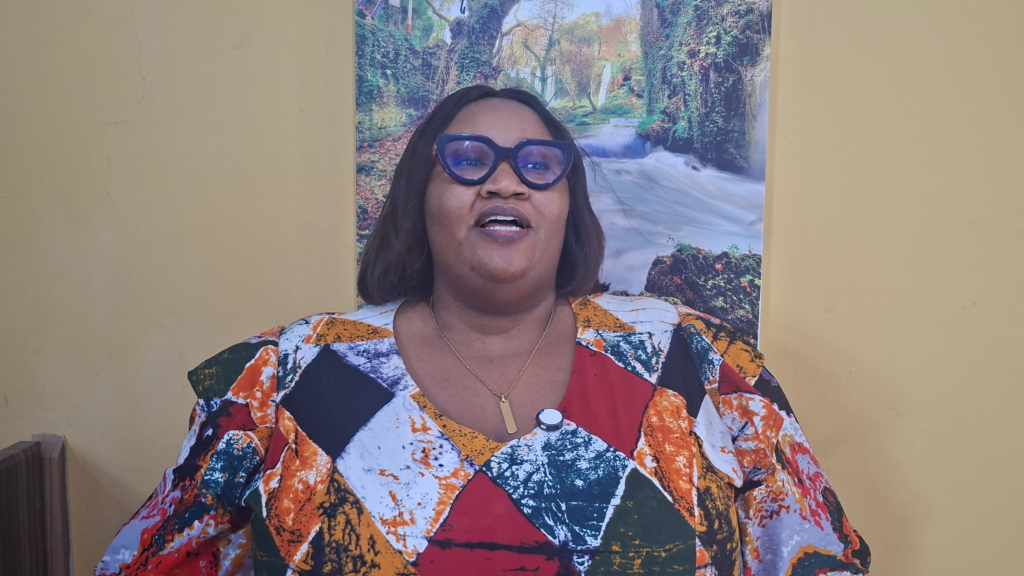
“When they go to physiotherapy, that is when they identify another health issue with their children. Unfortunately, the National Health Insurance Scheme does not allow them to do a second consultation on the same day,” she stated.
She noted that many of the mothers caring for children with developmental disabilities have limited financial resources, making it difficult to pay out-of-pocket for additional consultations.
“Unless the mother can pay for another consultation, the mother cannot see another doctor,” she added.
The Gender Advocate revealed that many affected mothers have already been abandoned by their spouses and often shoulder the burden of caregiving alone.
“Fathers have run away. Paternal families have rejected them. These mothers are carrying the burden by themselves,” she said.
She therefore urged health authorities and NHIS managers to consider special provisions for persons living with developmental disabilities.
“We are calling on stakeholders to look into that and open it up for such children,” she appealed.
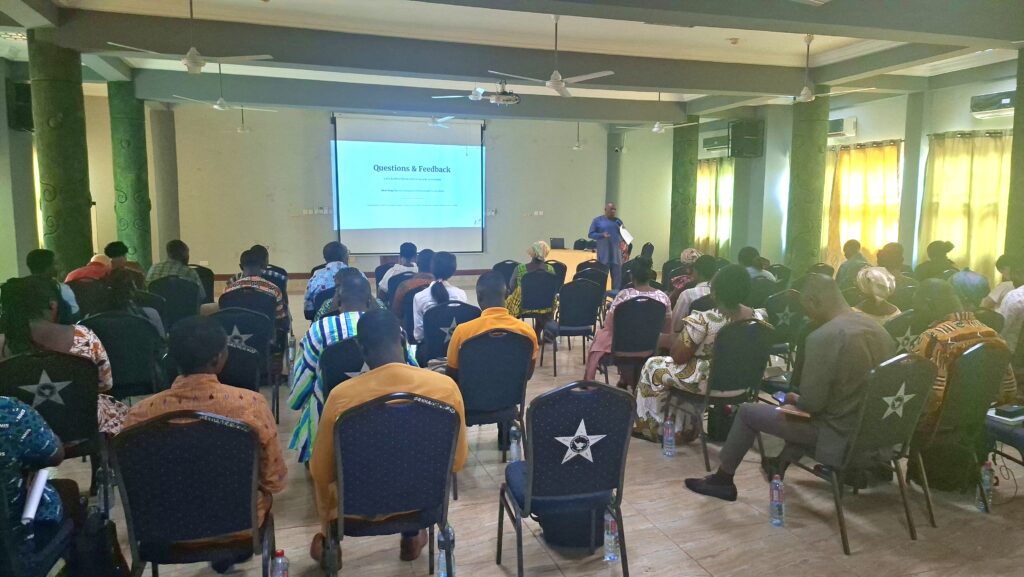
Addressing representatives of the health sector and NHIS present at the meeting, Ms. Dzade suggested that persons with developmental disabilities be granted multiple consultations when necessary to ensure timely diagnosis and treatment.
“If you give them that privilege, Kekeli Foundation will be so excited. At least they are not that many compared to the entire population,” she said.
She emphasized that improving access to healthcare is essential to achieving inclusion and protecting the rights of persons living with developmental disabilities.
The stakeholders’ meeting formed part of activities under the Invisible No More project, which seeks to reduce stigma, strengthen advocacy and improve access to services for mothers and their girl children living with developmental disabilities in selected districts of the Volta Region.
Participants underscored the need for stronger collaboration between healthcare providers, policymakers and disability-focused organizations to ensure that vulnerable groups are not left behind in the delivery of health services.