By Jones Anlimah
Ghana is advocating stronger national and local partnerships to improve the governance of transhumance and promote peaceful coexistence between farmers and herders, particularly in the northern parts of the country.
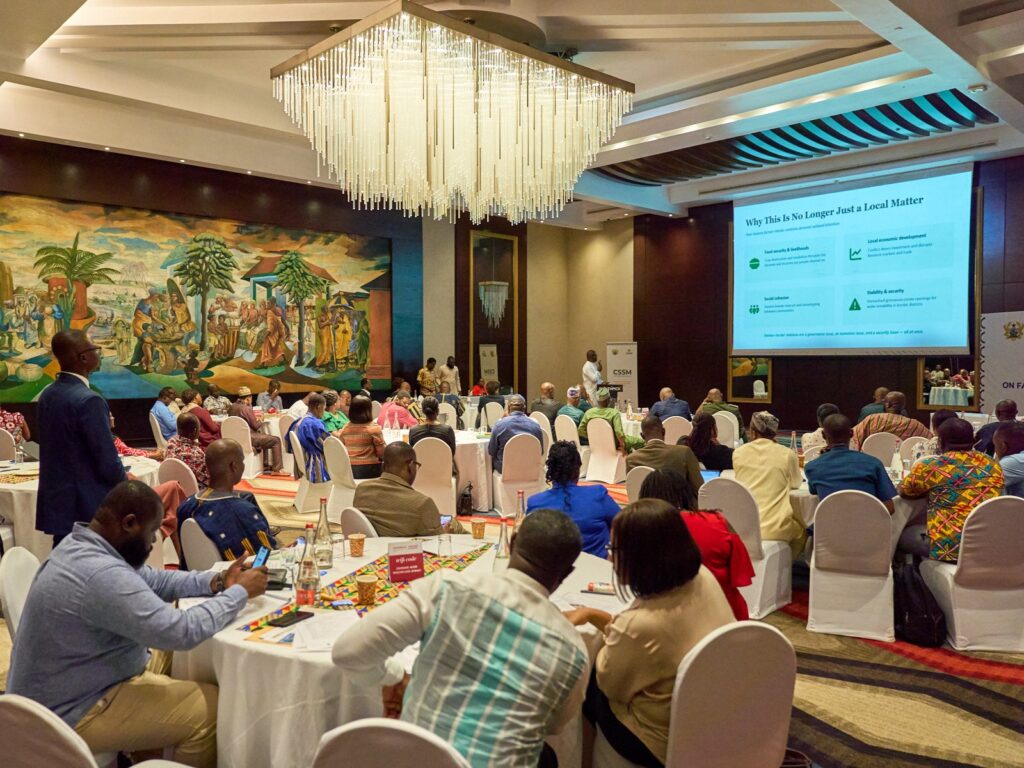
The call was made at a national workshop on transhumance and farmer–herder relations convened by the National Security Council Secretariat in collaboration with the International Organization for Migration (IOM) through the multi-donor Coastal States Stability Mechanism (CSSM).
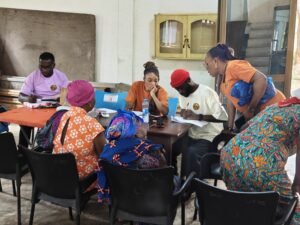
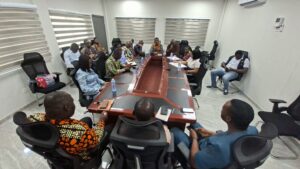
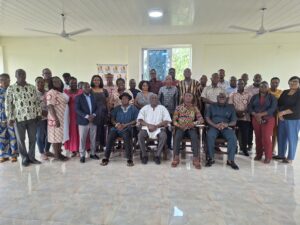
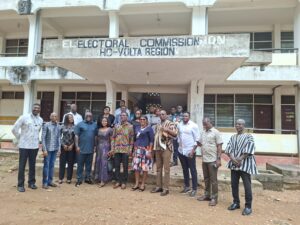
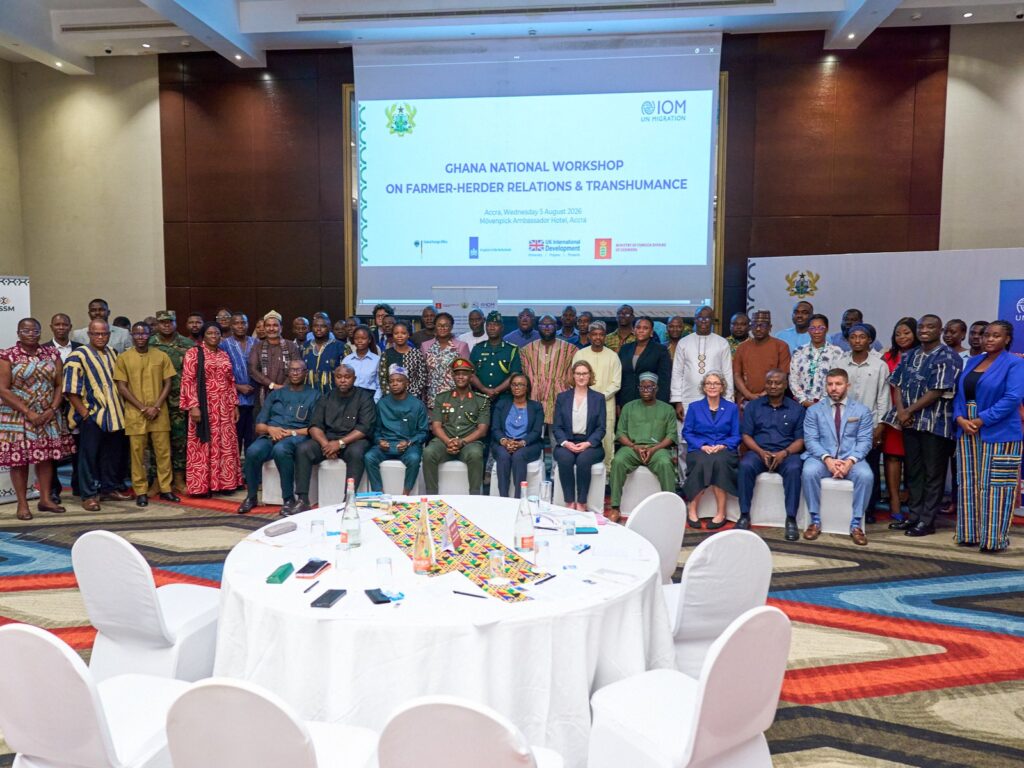
The workshop, held on August 5, 2026, brought together national institutions, regional authorities, development partners, civil society organisations, implementing partners and technical experts to explore practical approaches to managing seasonal livestock movement and preventing conflicts between farming and pastoralist communities.
The initiative aligns with the Sustainable Development Goals (SDGs), particularly SDG 16 on Peace, Justice and Strong Institutions, by promoting dialogue, conflict prevention and stronger governance mechanisms.
It also contributes to SDG 2 on Zero Hunger, given the importance of both farming and livestock production to livelihoods, while addressing SDG 13 on Climate Action, as climate-related pressures increasingly influence access to land, water and grazing resources.
In northern Ghana, transhumance remains an important livelihood activity. However, increasing pressure on land and water resources, climate variability and gaps in the implementation of local governance mechanisms continue to create conditions that could trigger tensions between farmers and herders.
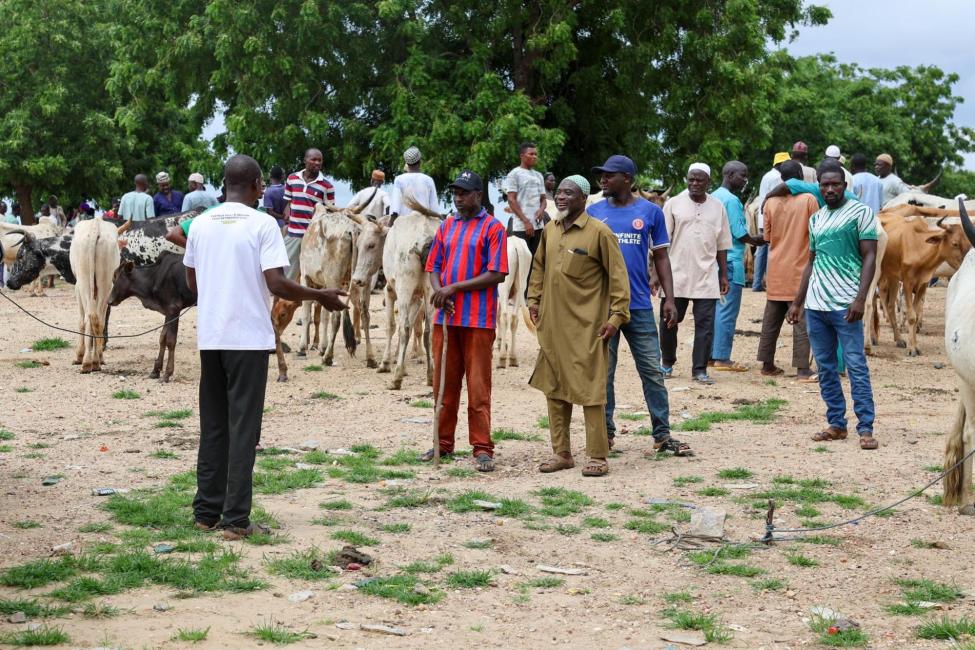
Data from IOM’s Transhumance Tracking Tool indicates that between June and November 2025, more than 4,200 transhumant herders and nearly 100,000 livestock moved along key corridors in the Upper East and Upper West Regions.
During the same period, more than 40 early-warning alerts were recorded, with most linked to farmer–herder disputes, competition over grazing land and access to water.
These developments have strengthened calls for preventive approaches that use reliable data, dialogue and cooperation among stakeholders to address disputes before they escalate.
Speaking on behalf of the National Security Coordinator, the Director of Ghana’s National Counter-Terrorism Fusion Centre, Major General Timothy Ba-Taa-Banah, said addressing emerging security challenges required a preventive and whole-of-society approach.
He said the collaboration among national institutions, local authorities, development partners and communities demonstrated a collective commitment to protecting Ghana’s peace and strengthening national resilience.
The workshop also highlighted the importance of partnerships in achieving sustainable peace and development, reflecting SDG 17 on Partnerships for the Goals.
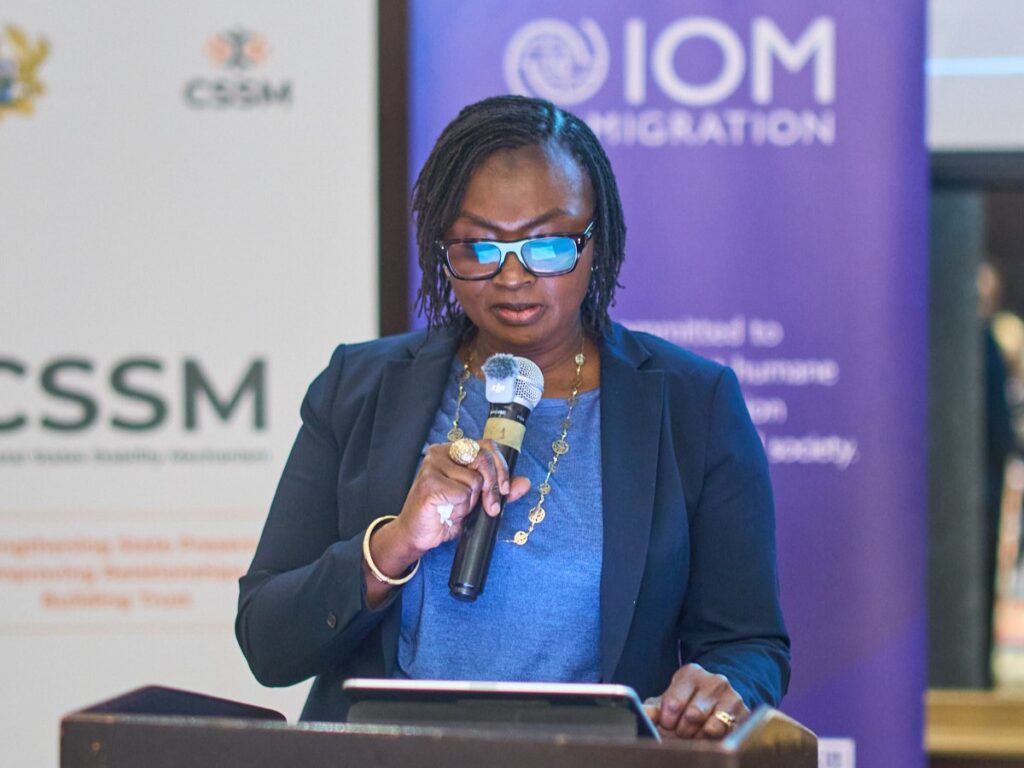
Chief of Mission of IOM Ghana, Fatou Diallo Ndiaye, stressed the need to combine evidence with dialogue and collaboration to prevent conflict.
She said data and policy, when supported by meaningful engagement among affected communities and institutions, could contribute significantly to building resilience and peaceful coexistence.
IOM, through its Climate Change and Migration Data Programme and Displacement Tracking Matrix, has been generating evidence on seasonal mobility patterns using the Transhumance Tracking Tool.
The data provides information on transhumance corridors, pastoral infrastructure and conflict hotspots, supporting early warning, coordinated responses and decision-making by national and local authorities.
The Coastal States Stability Mechanism has also supported the development and gazetting of district-level bye-laws regulating livestock movement, land use and dispute resolution in selected districts of the Upper West Region.
Participants reviewed existing regulatory frameworks, identified implementation challenges and explored ways of strengthening coordination among institutions while ensuring that local experiences inform national policy.
The workshop further called for an inclusive approach involving farmers, herders, livestock owners, traditional authorities, civil society organisations, security institutions and government agencies.
Participants committed to sustaining dialogue, improving cross-district and cross-border cooperation and strengthening information sharing among Regional and District Security Councils.
They also advocated joint response mechanisms to facilitate the early prevention and resolution of conflicts associated with transhumance.
The discussions underscore the broader development message that peaceful coexistence, responsible management of natural resources and inclusive institutions are essential to achieving the SDGs.
For Ghana, strengthening farmer–herder relations therefore goes beyond conflict management. It is also an investment in food security, climate resilience, sustainable livelihoods, community stability and inclusive development.
The workshop was supported through the Coastal States Stability Mechanism, funded by the German Federal Foreign Office, the Ministry of Foreign Affairs of the Kingdom of the Netherlands and the United Kingdom’s Foreign, Commonwealth & Development Office, as well as the Climate Change and Migration Data Programme funded by the Danish Ministry of Foreign Affairs.