BY Jones Anlimah
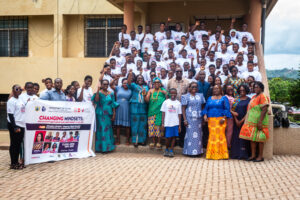
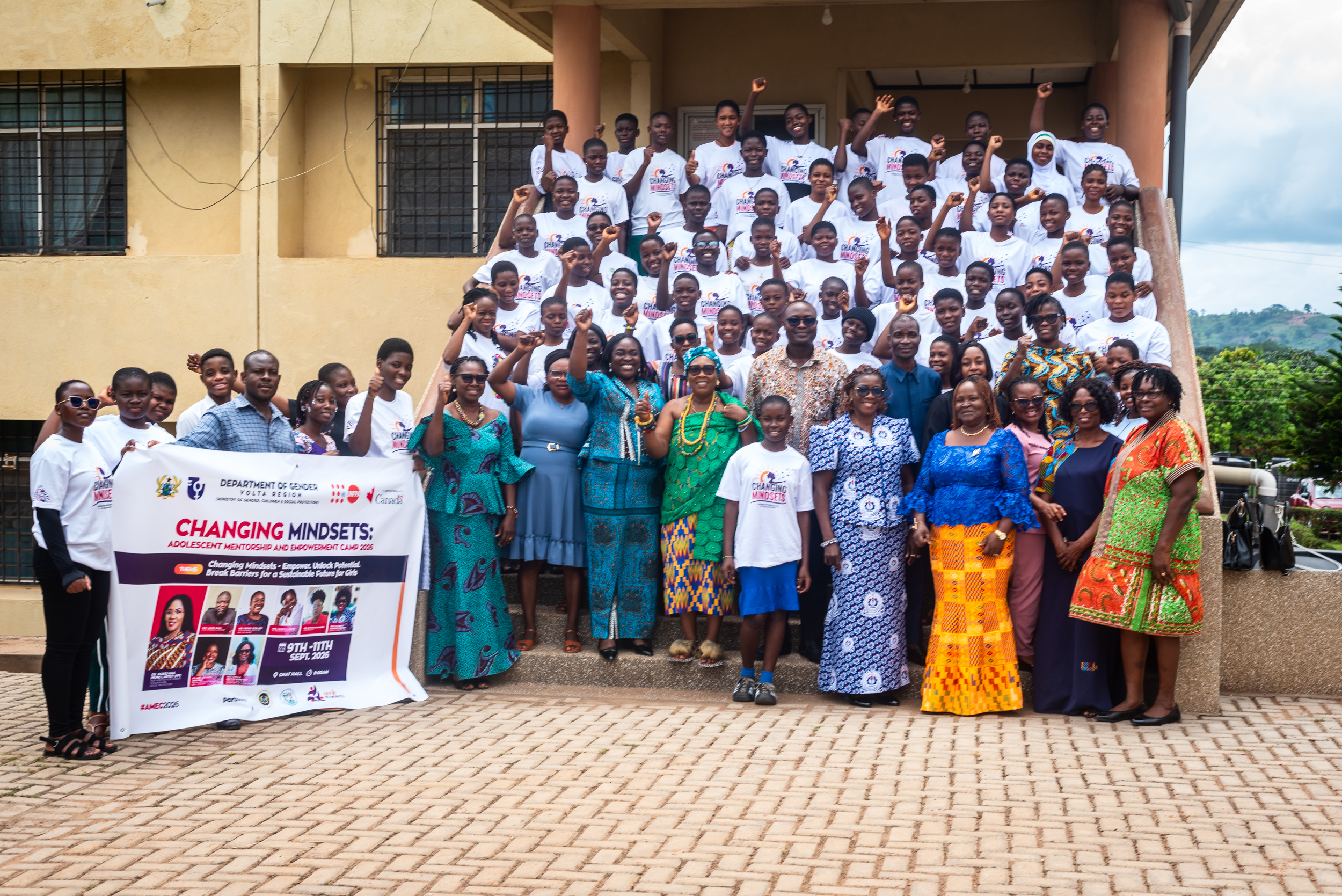
The Volta Regional Office of the Department of Gender has intensified efforts to advance gender equality and inclusive development through a three-day mentorship and empowerment camp for adolescent girls from across the region.
The programme brought together about 60 girls from 30 schools across seven districts, with the objective of equipping them with knowledge, confidence and skills to overcome barriers and pursue their educational, career and personal aspirations.
Held under the theme, “Changing Mindset – Empower, Unlock Potential, Break Barriers for a Sustainable Future for Girls,” the initiative focused on the contribution of empowered girls to the achievement of the Sustainable Development Goals (SDGs).
The programme directly supported SDG 4 on Quality Education by encouraging girls to remain committed to education and skills development, while addressing SDG 5 on Gender Equality through mentorship, leadership development and efforts to challenge gender-based stereotypes and harmful practices.
It also promoted aspects of SDG 3 on Good Health and Well-being, including informed choices on sexual and reproductive health, as well as SDG 8 on Decent Work and Economic Growth, by exposing participants to career development, entrepreneurship and STEM opportunities.
Mrs. Thywill Eyra Kpe, Volta Regional Director of the Department of Gender, said the programme was designed to expose girls to possibilities and help them develop a mindset capable of transforming their lives and communities.
She said the initiative, which began as an idea in 2016, had expanded over the years to reach young people in different parts of the region and country.
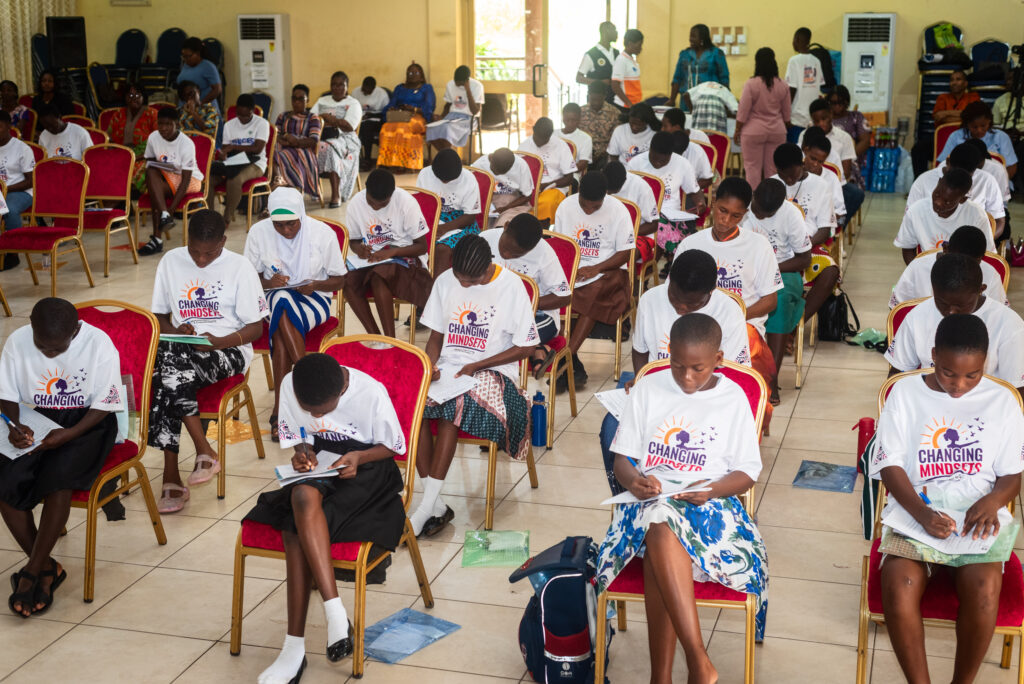
“This programme was about possibilities. Introducing our girls to possibilities,” she said, adding that the girls were “not too young to dream,” lead or make a difference in their communities.
Mrs. Kpe noted that Ghana’s affirmative action framework provided an opportunity for young girls to prepare themselves for greater participation in leadership and decision-making.
She urged the girls to begin developing leadership skills from their schools and communities, saying, “You must begin to develop the change mindset that you can lead in your schools, that you can lead in your churches, that you can lead in your classroom, you can lead in your community.”
She further encouraged the girls to invest in their education and potential rather than allowing social pressures, early relationships or other distractions to derail their aspirations.
The Regional Director also linked the programme to sexual and reproductive health, explaining that the support provided by development partners such as the United Nations Population Fund (UNFPA) was aimed at ensuring that young people were able to make informed choices and fulfil their potential.
“Every pregnancy must be wanted, every childbirth must be safe, and every young person’s potential must be fulfilled,” she said.
That focus reflects the interconnected nature of SDG 3 and SDG 5, where improved access to information, protection from harmful practices and the ability of girls to make informed decisions about their health are essential to achieving gender equality and sustainable development.
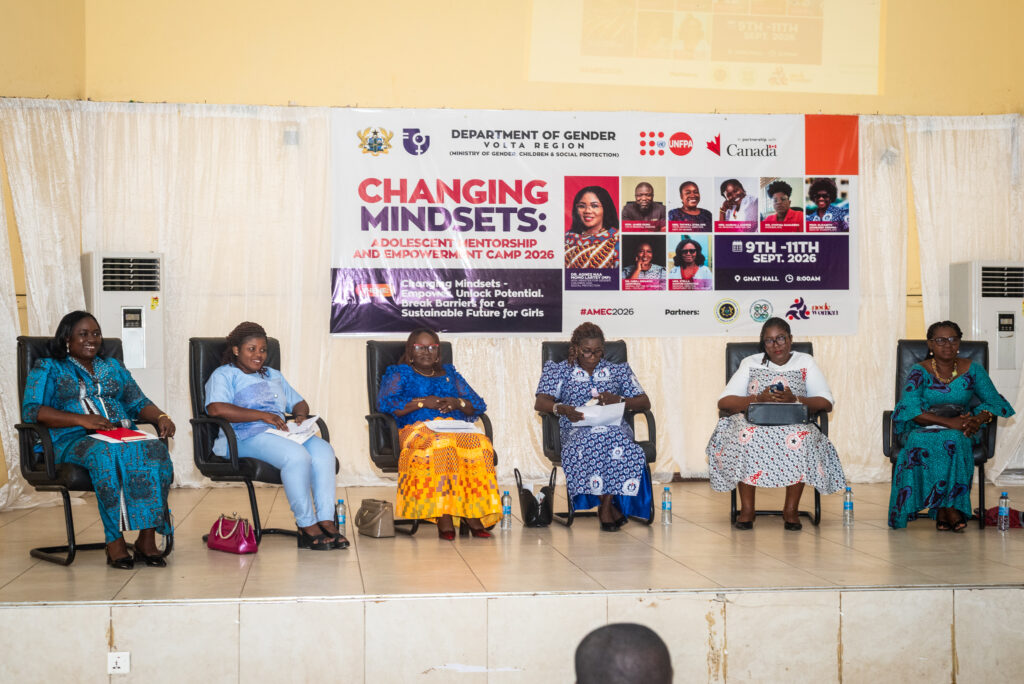
Mr. Yannick Noah Agboado, Assistant Director at the Volta Regional Coordinating Council, who represented the Volta Regional Minister, said the real measure of the programme would be the changes it produced in the lives of the participants.
“The true success of this programme will not be measured only by the number of participants who attended, the number of sessions held, or the number of issues discussed. Its greatest success will be seen in the lives that we have transformed, the decisions that will be made differently, the opportunities that will be pursued, and the young women who emerge with greater confidence, courage, and determination to shape their own future,” he said.
He urged the girls not to allow their circumstances or gender to determine their future.
“Never allow your circumstances to define your destiny. Never allow negative stereotypes to convince you that you are less capable because you are a lady. And never allow fear to silence your voice,” he said.
Mr. Agboado also called on parents, schools, communities and government agencies to share responsibility for creating an environment in which girls could learn, grow and participate meaningfully in development.
“Let us create homes where girls are listened to, schools where they feel safe, and communities where their dreams are encouraged rather than restricted,” he said.
He called for stronger protection of girls against sexual and gender-based violence, child marriage, exploitation and other practices that threaten their dignity, education and future.
“Our adolescent girls are not problems to be managed. They are assets to be nurtured. They are talent to be developed. They are leaders in the making,” he said.
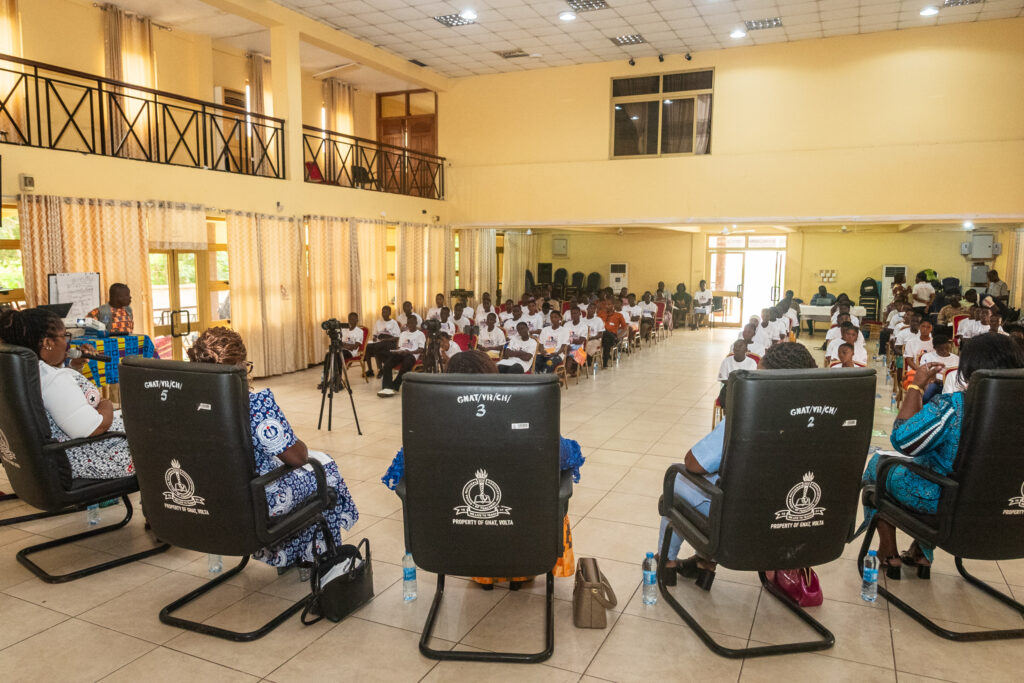
The call is closely aligned with SDG 5, particularly efforts to eliminate violence and harmful practices against women and girls, while also contributing to SDG 10, which seeks to reduce inequalities and ensure that all people have opportunities to participate fully in society.
Mrs. Marian Jemima Adzroe, Acting Volta Regional Director of Education and an entrepreneur, challenged the girls to develop confidence, pursue education and skills, and view their backgrounds and gender as no limitation to their ambitions.
“Your mindset is your steering wheel. If you believe you are capable, you will find a way through every obstacle,” she said.
Mrs. Adzroe described education and skills as important tools for girls seeking independence and informed decision-making.
“Never compromise on your education. Education and skills are your greatest armour,” she said.
She also encouraged the participants to consider entrepreneurship and leadership as viable pathways to economic independence, urging them to transform setbacks into opportunities.
“When a door closes, build your own door,” she advised.
The programme also exposed the girls to career possibilities in areas including STEM, leadership and entrepreneurship, reinforcing the importance of SDG 8, which promotes productive employment, decent work and entrepreneurship.
The participants were selected as young ambassadors with the expectation that they would transfer the knowledge and confidence gained from the camp to other girls in their schools and communities.
Mrs. Adzroe urged them to become peer educators and leaders, saying the awareness they had gained about health, rights and career choices should extend beyond the camp.
The organisers also called on Girls’ Education Officers in the beneficiary districts to continue mentoring and monitoring the participants to ensure that their aspirations and potential were sustained after the programme.
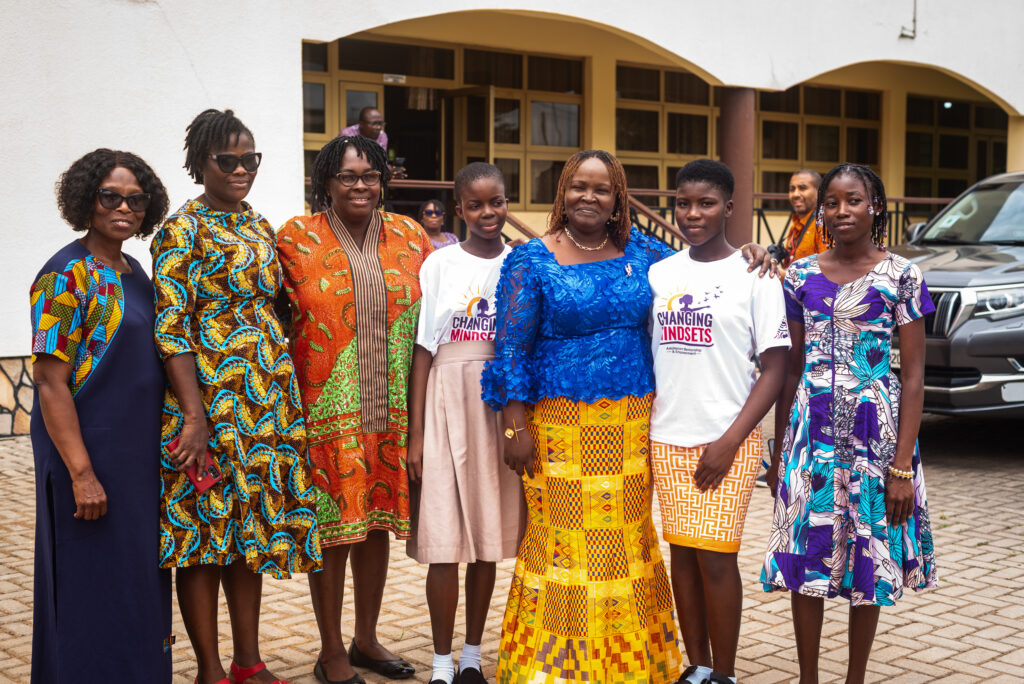
The three-day camp featured mentorship and interactions designed to support self-discovery, healthy choices, leadership, career development, STEM, academic excellence and entrepreneurship.
The intervention therefore brought together several dimensions of sustainable development, recognising that keeping girls in school, protecting their health and rights, expanding career opportunities and strengthening their confidence are mutually reinforcing pathways towards gender equality and inclusive economic development.
The Department of Gender expressed appreciation to the Ministry of Gender, Children and Social Protection, UNFPA, the Ghana Education Service, Girls’ Education Officers, mentors, facilitators and other partners for supporting the initiative.
Mr. Agboado said continued investment in girls was an investment in the future of the region and Ghana.
“Your investment in these girls is an investment in the future of the Volta Region and Ghana as a whole,” he said.
As the camp ended, the girls were encouraged to return to their schools and communities as ambassadors of mindset change and use their education, skills and confidence to create opportunities for themselves and others.
The initiative ultimately sought to demonstrate that achieving the SDGs is not only a national or institutional responsibility but also depends on empowering young people, particularly girls to become active participants and leaders in sustainable development.