By Jones Anlimah
The Volta Regional Director of the National Commission for Civic Education (NCCE), Mr Kenneth Kponor, has appealed for increased resources to enable the Commission to extend its civic education programmes to all districts in the region.
He said inadequate logistics, funding and staffing were constraining the Commission’s ability to effectively reach communities with civic education, particularly on issues affecting young people.
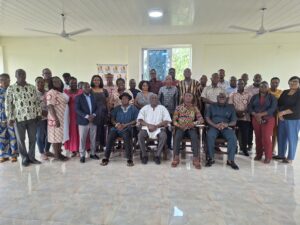
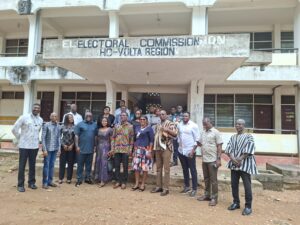
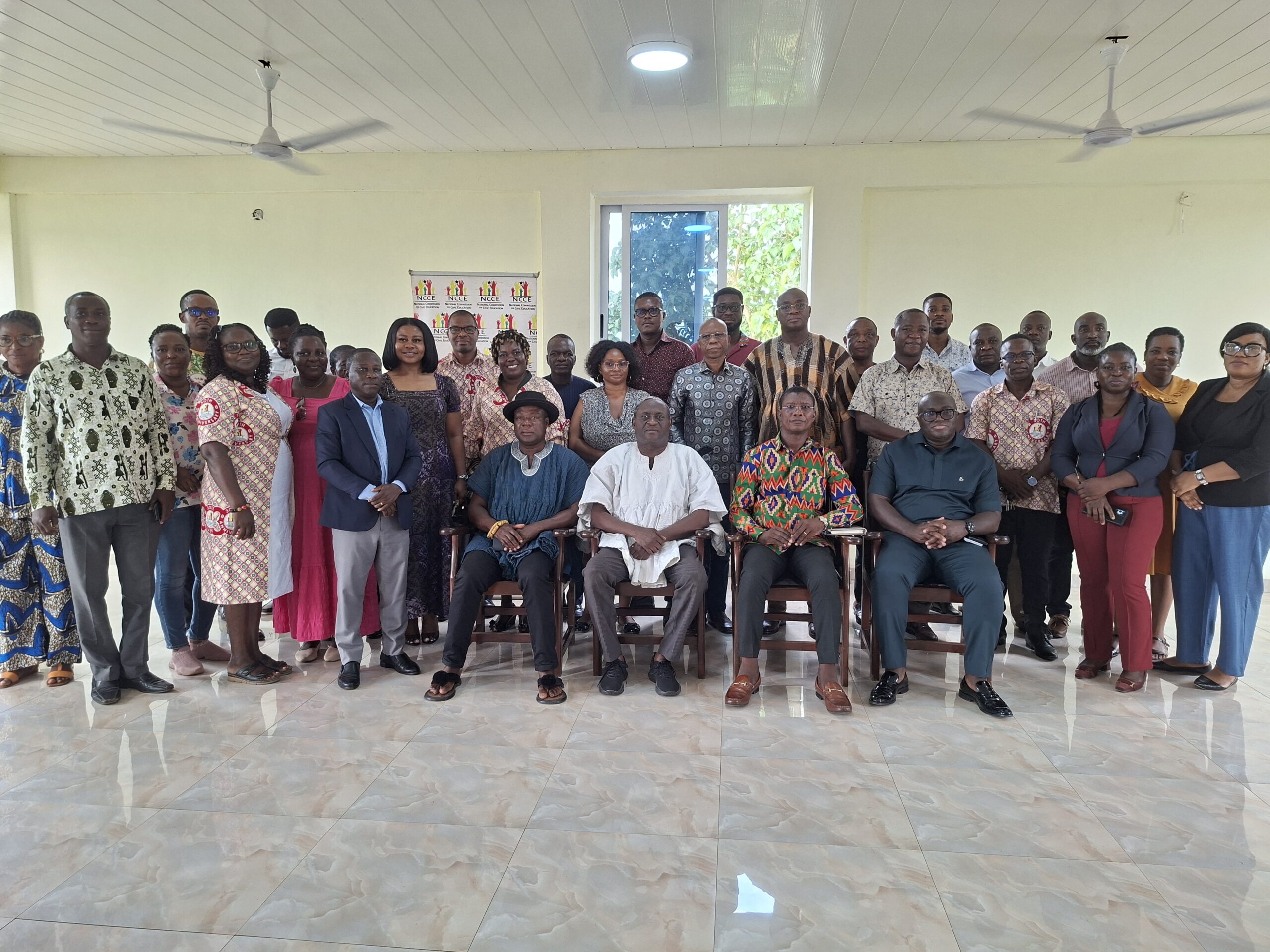
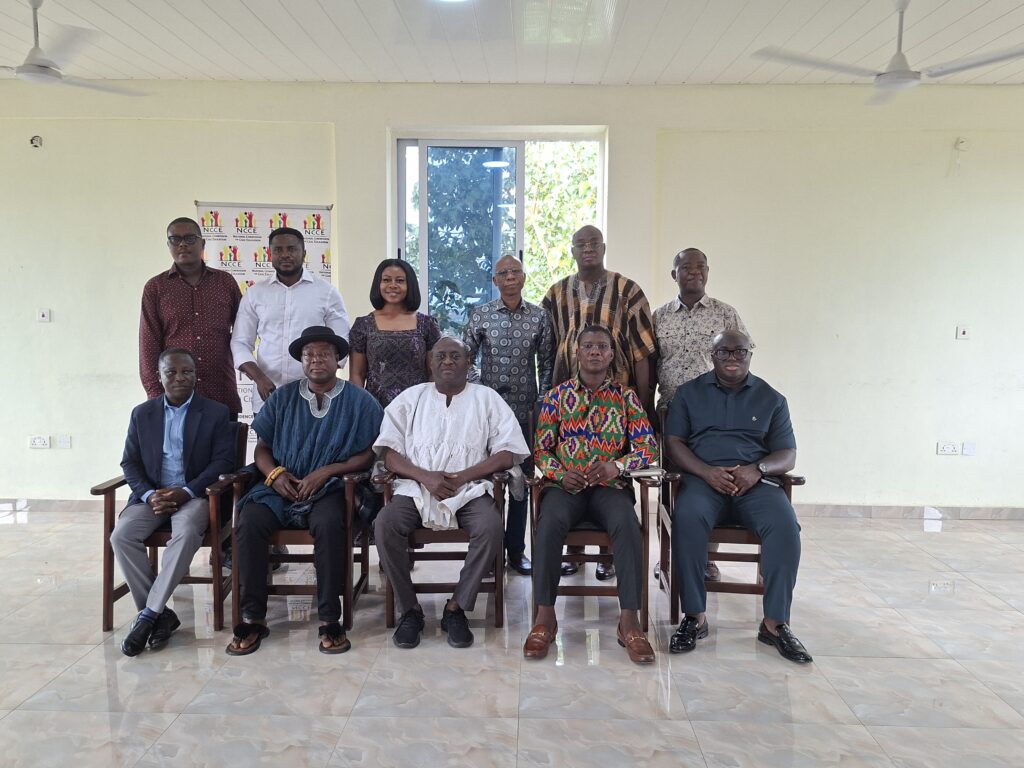
Mr Kponor made the appeal when the Parliamentary Select Committee on Independent Constitutional Bodies visited the NCCE Regional Office in Ho as part of its engagement with independent constitutional bodies in the Volta Region.
He said the region had 18 districts, but some programmes supported by development partners were being implemented in only a limited number of districts.
“For example, there is a programme on adolescent health issues, but we are only doing it in four districts out of the 18 districts that I have,” he said.
Mr Kponor said the situation created disparities in access to civic education, with some districts benefiting from programmes while others were left out.
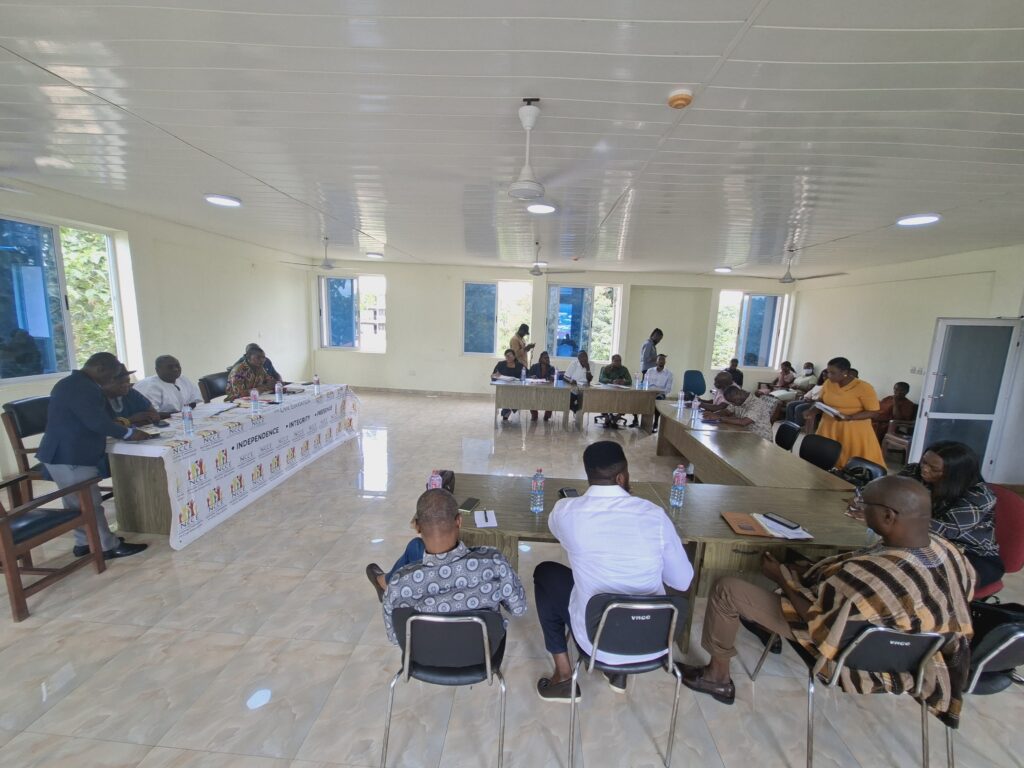
He said the Commission collaborated with institutions including the Ghana Health Service, Ghana Revenue Authority, the Police Service and development partners such as GIZ, UNFPA, Global Affairs Canada and the European Union to undertake civic education and related programmes.
However, he said the sustainability and geographical coverage of some of those interventions depended on the availability of resources.
The Regional Director also raised concerns about inadequate vehicles, particularly at the district level.
He said the Volta Region had nine vehicles against an estimated requirement of 18, making it difficult for district offices to undertake outreach activities.
“Districts that are supposed to have vehicles to enable them around the districts to actually go out there to reach out to the people, they are finding it very difficult to do that,” he said.
Mr Kponor said inadequate operational funding had also compelled some staff to use their personal resources to keep offices running.
He cited instances where staff had to contribute money to purchase prepaid electricity credit for offices because funds for utilities were not readily available.
He said the Commission’s civic education efforts were particularly focused on emerging challenges including drug abuse among young people and responsible citizenship in the digital age.
“Our focus is on those areas, but we cannot do certain things without the necessary resources that are needed to do that,” he said.
Mr Kponor also urged political candidates to participate in civic engagement programmes ahead of elections to enable voters to scrutinise their plans and understand what they intended to do for their constituents.
He said some candidates declined invitations to engage voters during programmes organised by the Commission ahead of the 2024 elections.
He said greater cooperation between political actors and civic education institutions was important to strengthening democratic participation.
The Parliamentary Select Committee is visiting independent constitutional bodies in the region to engage their officials on their mandates, operations and challenges.