By Jones Anlimah
The Parliamentary Select Committee on Independent Constitutional Bodies has called for increased financial and logistical support for independent constitutional institutions to enable them to effectively discharge their mandates.
The Committee said inadequate funding, poor infrastructure and logistical constraints are undermining the operations of some of the institutions, despite efforts by staff to deliver on their responsibilities.
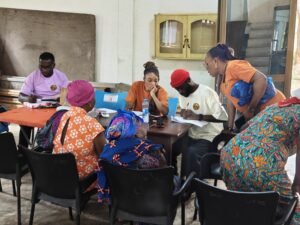
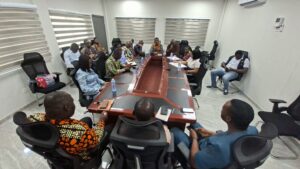
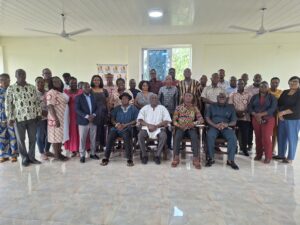
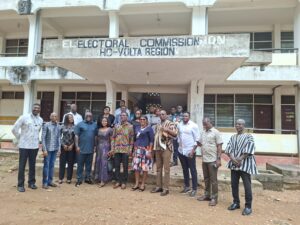
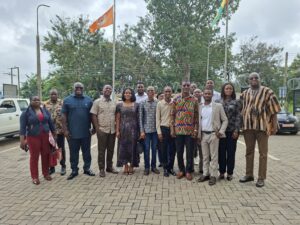
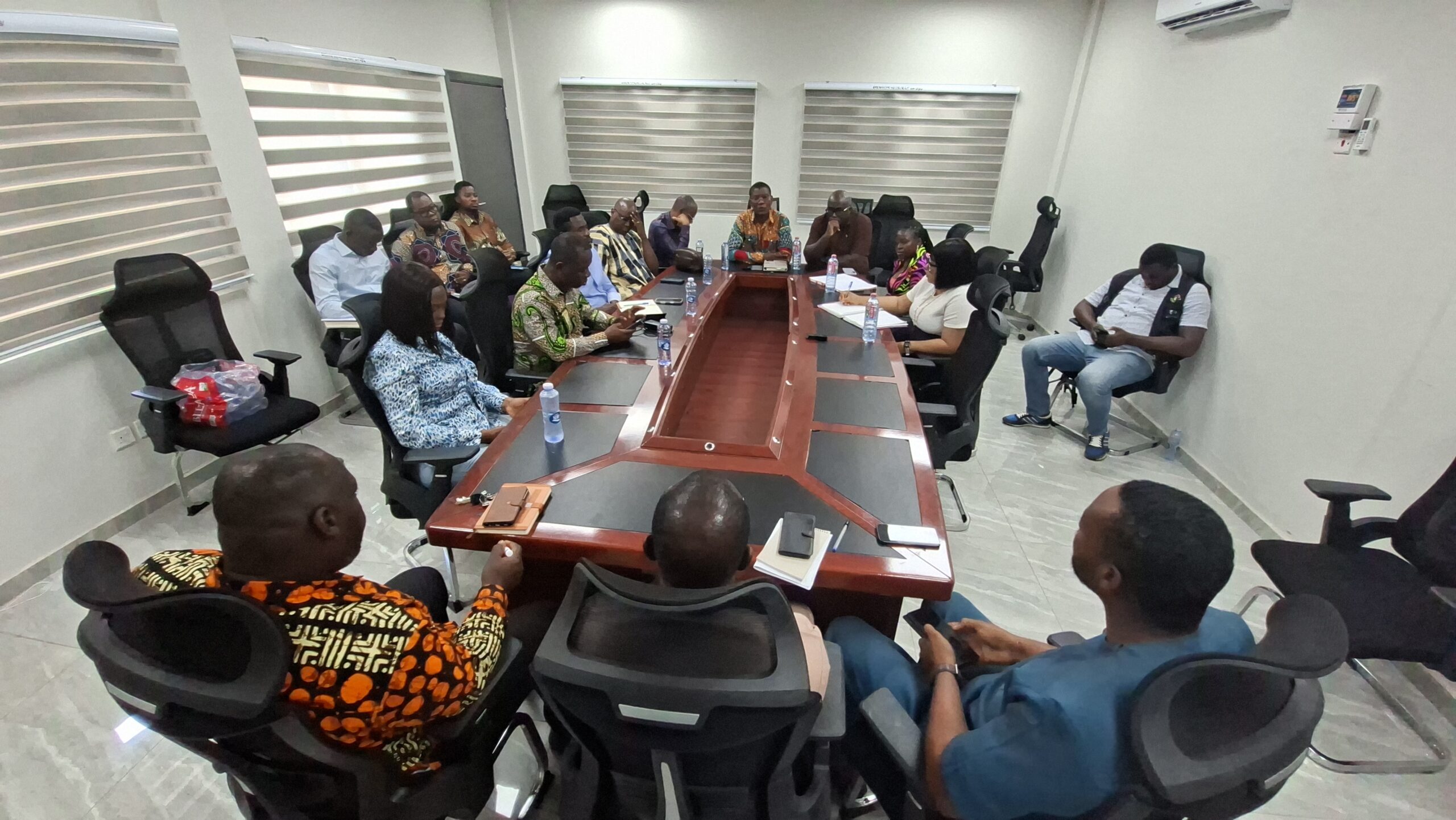
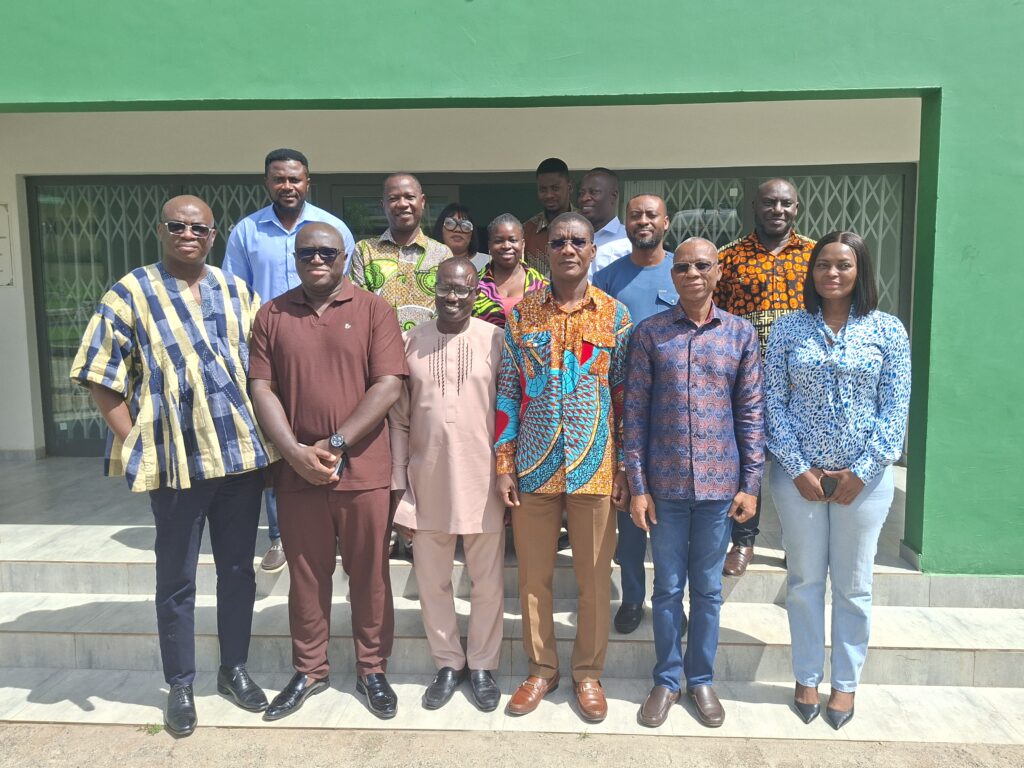
The Committee made the observation after visiting independent constitutional bodies in the Volta Region, including the Commission on Human Rights and Administrative Justice (CHRAJ), Electoral Commission (EC), National Commission for Civic Education (NCCE) and the Audit Service, as well as engaging Metropolitan, Municipal and District Chief Executives (MMDCEs) in the region.
The Chairman of the Committee and Member of Parliament for Tema East Constituency Hon. Isaac Ashai Odamtten, said the visit was intended, among other things, to assess how the decentralisation of the mandates of the independent constitutional bodies was working at the regional and district levels.
He said the Committee examined the operational status of regional and district offices, their budget estimates and work plans, as well as inter-agency collaboration and the extent to which the institutions were achieving their targets.
Hon. Isaac Ashai Odamtten said the Committee was impressed with the performance of the institutions despite the resource limitations confronting them.
“We are impressed, all in all we are impressed with the level of performance especially for those that obviously do not receive enough funding yet are able to leverage on the available resources and some networks and collaborations to do the work they do,” he said.
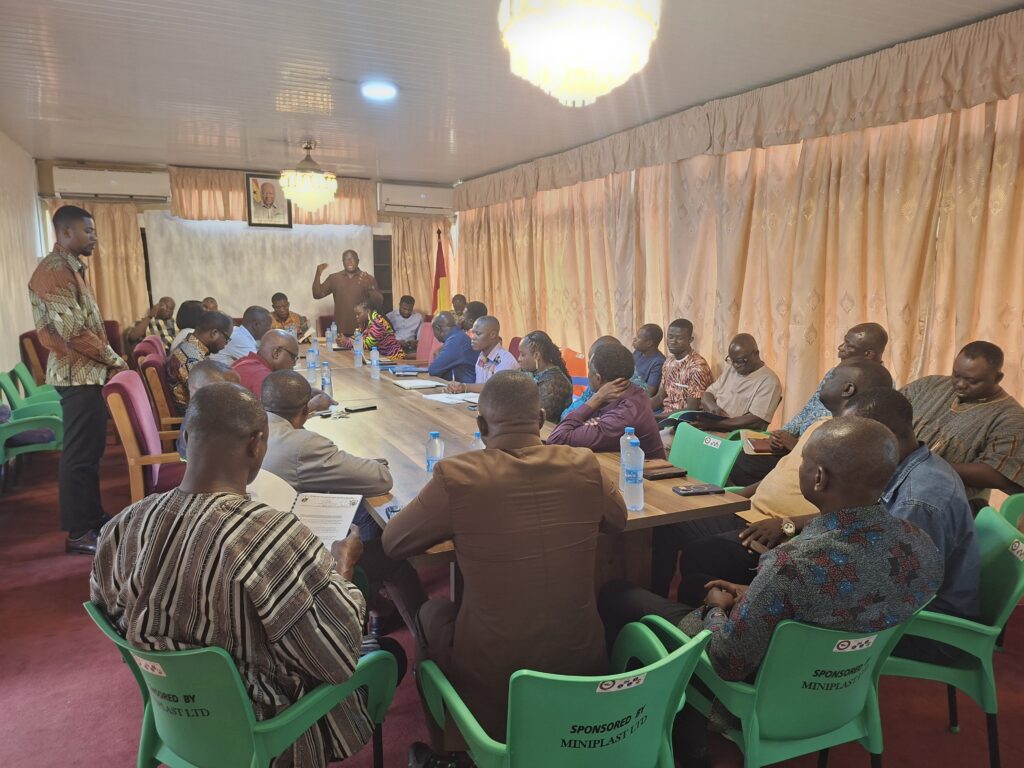
He, however, said the Committee observed significant infrastructure and logistical gaps that required attention.
“We’ve also noticed that dilapidated offices from which our regions and district offices are operating and we think that in addition to what KWF did for the audit service, government must be intentional in allocating CAPEX and not just approving but releasing funds to make infrastructure to offer decent working environment for independent constitutional bodies,” he said.
According to him providing adequate tools and resources to staff was critical because the institutions served as an important part of Ghana’s democratic system.
“For these bodies are the anchor of our democracy. If we tool them and give them the resources they will deliver to make Ghana a better place,” he said.
The Member of Parliament for Kwabre East Constituency Akwasi Gyamfi Onyina-Acheampong, also expressed concern about the level of funding available to some of the institutions.
He said the problem was not limited to the Volta Region, noting that similar concerns had emerged from the Committee’s engagements in other regions.
Hon. Onyina-Acheampong, said Parliament needed to give greater attention to the financing of institutions responsible for civic education, electoral administration and the protection of citizens’ rights.
“If we truly want the citizenry enlightened and educated, then we need to allocate enough resources to independent institutions like the NCCE, the National Media Commission, the Electoral Commission, and all these institutions,” he said.
He cited the funding available to the NCCE as an example of the constraints confronting the institutions.
“How can you give a whole regional directorate 10,000 Ghana cedis a year to perform their duties? How can you give a whole district directorate only 1,000 Ghana cedis, from September to September, to perform their duties?” he asked.
Mr Onyina-Acheampong, said it was particularly worrying that staff of some institutions were sometimes compelled to use their personal resources to undertake official activities.
“It’s really, actually, really disturbing that staff should dip into their own pockets and then use it to finance state work. It’s not, it’s not, it’s untenable and it shouldn’t happen,” he said.
He said Parliament would engage the Finance Minister on the challenges identified during the Committee’s regional engagements ahead of the consideration of the national budget.
According to him although Parliament scrutinised institutional budgets, the spending ceilings provided by the Executive constrained Parliament’s ability to increase allocations during the budget process.
He said the Committee’s engagements with the institutions had provided members with a better understanding of the practical challenges associated with the implementation of their mandates.
The concerns were reflected in submissions made to the Committee during its engagement with the institutions.
At the NCCE, the Volta Regional Director, Mr Kenneth Kponor, cited inadequate logistics, funding and staffing as constraints to extending civic education programmes across all 18 districts of the region.
The Electoral Commission also highlighted infrastructure and storage challenges, while the Acting Volta Regional Director of CHRAJ, Mr Christian Kpatsi, disclosed that the Commission’s office at Dzolokpuita in the Ho West District was operating with only one staff member amid other financial constraints.
The Committee said its observations would inform its oversight and advocacy role to ensure that the institutions received the necessary resources to perform their constitutional functions.
The visit forms part of the Committee’s oversight engagements with independent constitutional bodies to assess their operations, resource requirements and effectiveness at the regional and district levels.