By Jones Anlimah
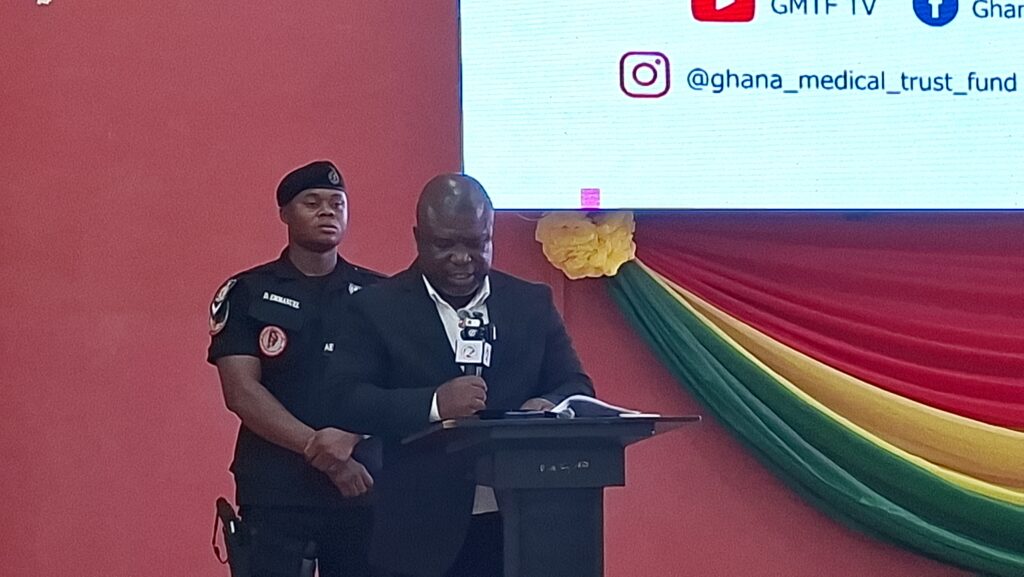
The Volta Regional Minister, James Gunu, has called for intensified public education, transparency and stronger stakeholder collaboration to ensure eligible patients benefit from the Ghana Medical Trust Fund, popularly known as Mahama Cares.
He said effective implementation of the programme in the region would depend on public awareness, fair access, efficient coordination among healthcare providers and the transparent administration of resources.
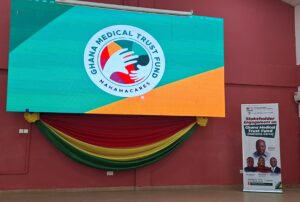
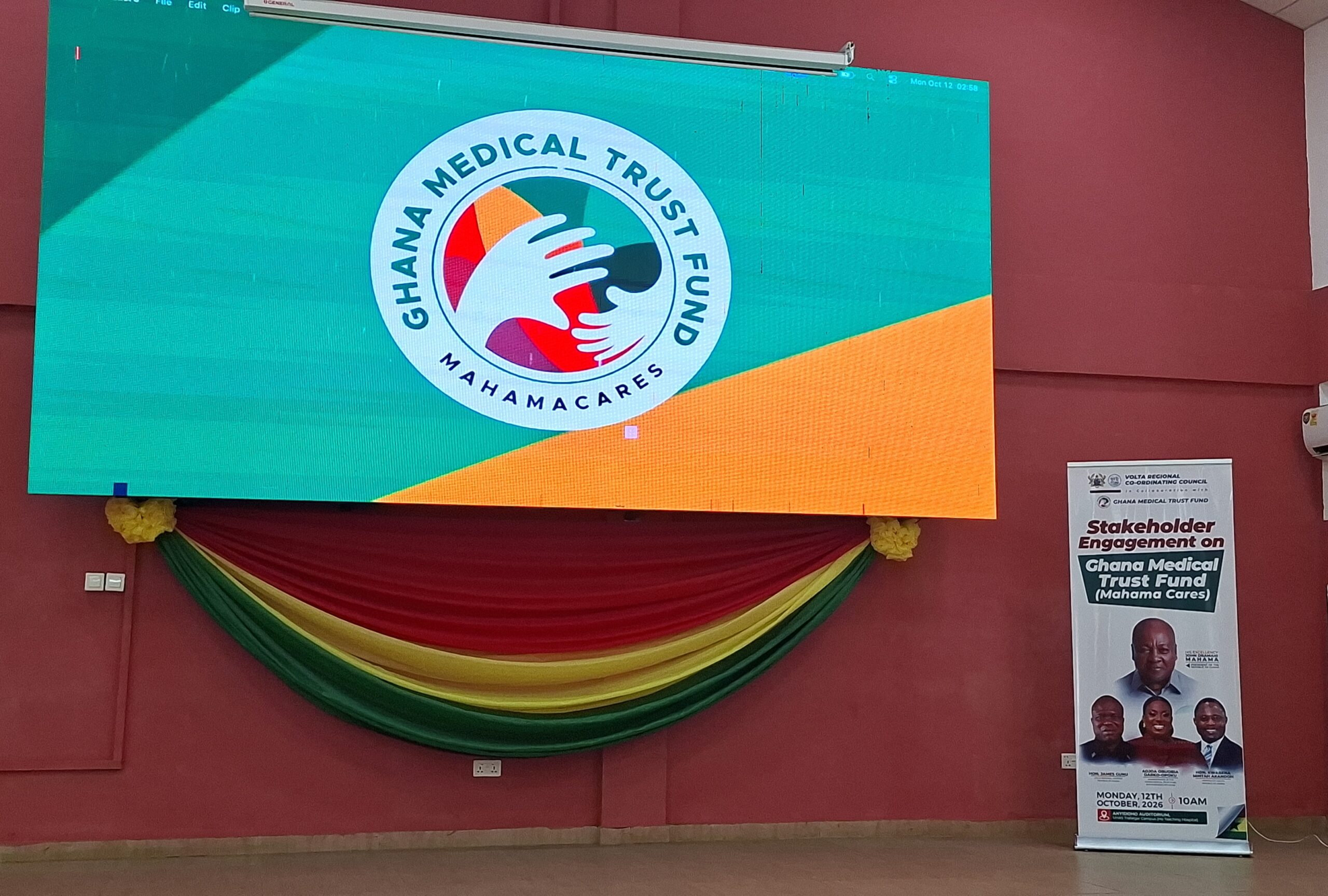
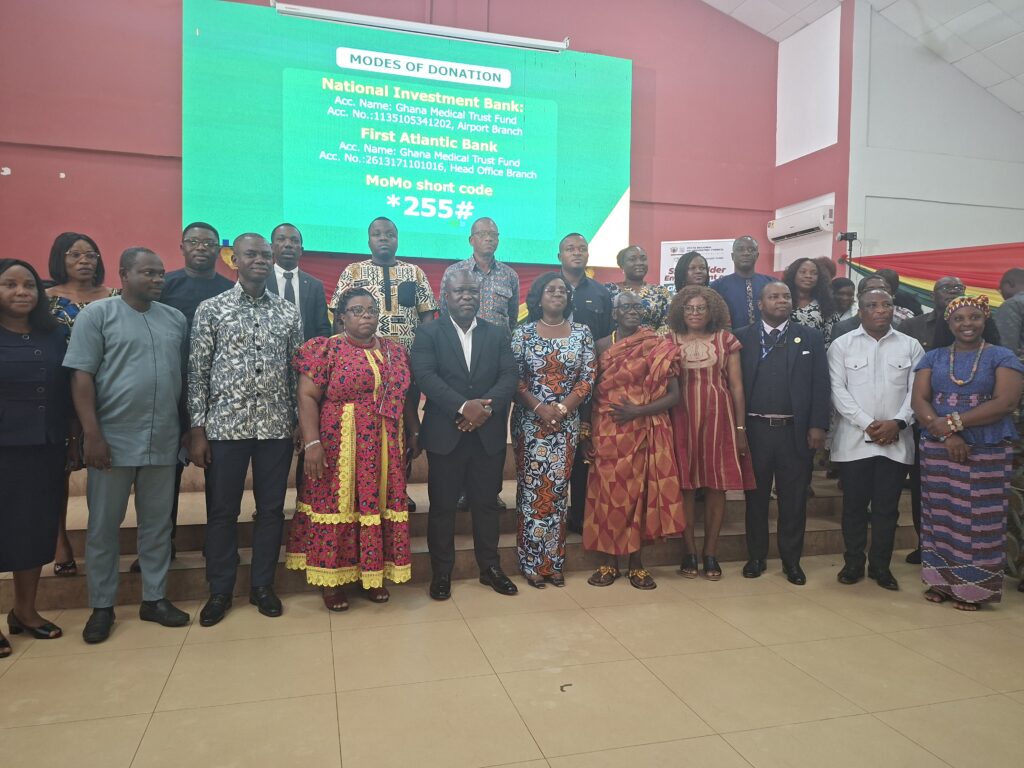
Mr Gunu made the call at a stakeholder engagement and public town hall meeting on the Ghana Medical Trust Fund, organised by the Volta Regional Coordinating Council (VRCC) in collaboration with the Fund at Ho.
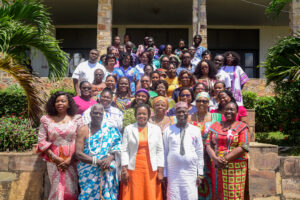
The engagement brought together health professionals, traditional and religious leaders, public officials, civil society organisations and other stakeholders to discuss the objectives of the Fund, its operations and how eligible patients could access its support.
Mr Gunu said the high cost of treating serious and life-threatening illnesses could force families to exhaust their savings, borrow money, sell productive assets or delay seeking medical care.
“Universal health coverage must therefore address not only the availability of health facilities and professionals, but also whether people can afford the treatment they need,” he said.
He noted that residents in rural and hard-to-reach communities faced additional challenges, including transportation costs, long distances to health facilities, limited access to specialised services and delays in diagnosis.
The Regional Minister urged metropolitan, municipal and district assemblies, traditional authorities, religious institutions and the media to support public education on the programme.
He also called on the Fund’s administrators to maintain accessible feedback and complaints channels to address concerns and strengthen public confidence.
Mr Gunu cautioned the public to rely on official information, stressing that assistance was subject to established eligibility criteria and approved procedures. He warned against individuals demanding unofficial payments or making false promises in the name of the programme.
Fund outlines four pillars
The Administrator of the Ghana Medical Trust Fund, Hon. Adjoa Obuobia Darko-Opoku, said the initiative was designed to help eligible patients obtain specialised treatment for chronic non-communicable diseases while strengthening the country’s healthcare system.
She explained that the Fund’s operations were built around four pillars: financial support for eligible patients, investment in medical equipment and infrastructure, specialist training and human capacity development, and research and innovation.
According to her, the approach was intended to address both the immediate financial difficulties confronting patients and the structural challenges that could prevent them from receiving appropriate treatment.
She observed that financial assistance alone would not resolve every challenge if health facilities lacked the necessary diagnostic equipment, treatment infrastructure or specialist personnel.
“A patient may receive financial support and still face difficulties if the required diagnostic services are not available,” she said.
Hon. Darko-Opoku said the Fund had undertaken a nationwide assessment of healthcare facilities to identify gaps in equipment, infrastructure and specialist capacity.
She cited interventions and ongoing initiatives involving cardiac care, dialysis and other critical medical equipment as part of efforts to improve specialised healthcare delivery.
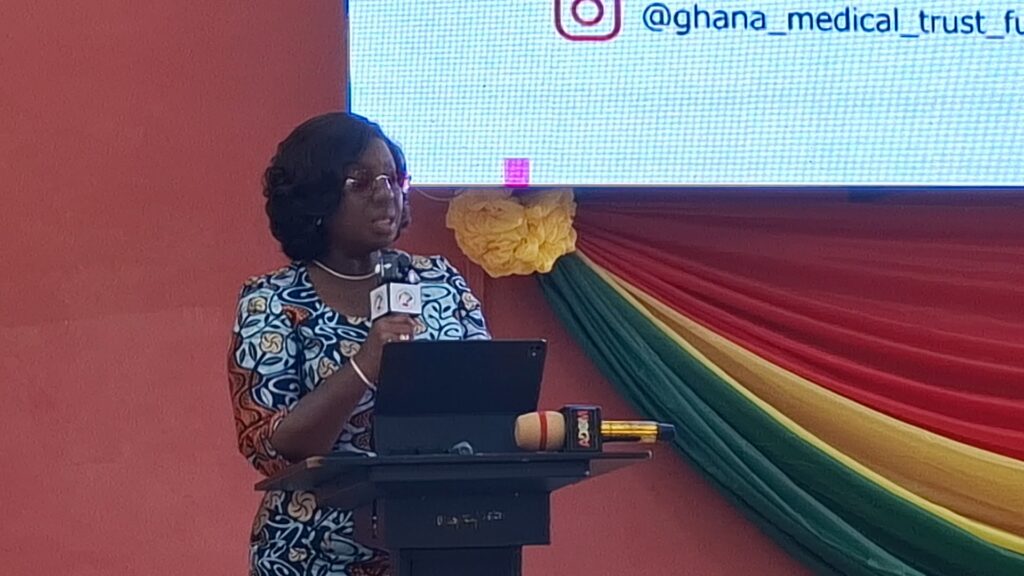
The Administrator said the nationwide sensitisation exercise was also intended to take accurate information about the Fund to regional, district and community levels.
She urged healthcare professionals, traditional authorities, local government officials and the media to help ensure that people understood the programme and the procedures for accessing its support.
The Volta Region was one of the stops on the Fund’s nationwide sensitisation tour, which sought to strengthen engagement with health institutions and communities.
Ho Teaching Hospital enrols 35 patients
The Chief Executive Officer of Ho Teaching Hospital, Dr. Hintermann Mbroh, disclosed that the facility had enrolled 35 patients under the Fund within five months of implementing the programme.
He said the hospital had integrated the programme into its electronic medical record system to support patient registration, documentation and continuity of care.
Relevant staff involved in managing the non-communicable diseases covered by the Fund had also received training, while a patient navigation unit was helping with patient identification, enrolment, referrals and follow-up.
Dr. Mbroh said the hospital was committed to working with the Fund and other stakeholders to improve access to specialised treatment.
He also expressed optimism about anticipated equipment support, particularly mammography, magnetic resonance imaging (MRI), general X-ray and dialysis equipment, as well as plans to expand the hospital’s dialysis centre.
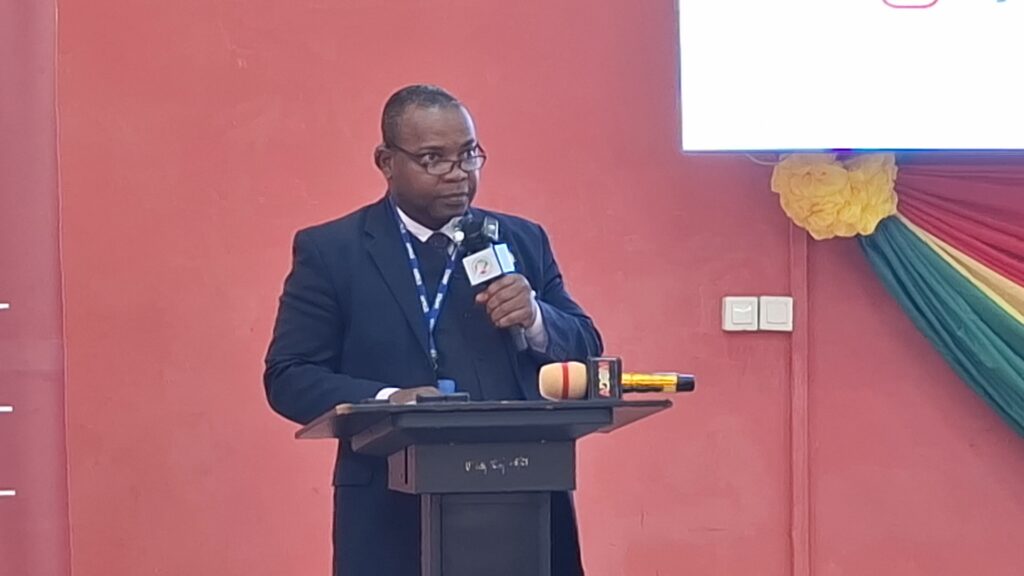
“These will improve diagnostic and treatment capacity and reduce avoidable referrals outside the region,” he said.
Dr. Mbroh further disclosed that a proposed cardiology centre for the hospital was under review in collaboration with the Ghana Medical Trust Fund. He said land had already been identified for the project.
He emphasised that the success of the initiative should be measured not only by the number of patients enrolled but also by improvements in access to timely treatment, clinical outcomes and reductions in the financial burden on patients and their families.
Stakeholders urged to prioritise patients
Stakeholders highlighted the need for sustained collaboration among the Fund, healthcare institutions, local authorities and communities to ensure the programme achieves its intended objectives.
While the Regional Minister emphasised accountability and equitable access, the Fund’s Administrator focused on combining financial assistance with investment in healthcare capacity. Ho Teaching Hospital, meanwhile, outlined steps taken to integrate the programme into its operations and identified areas where additional equipment and specialised services were needed.
The engagement provided an opportunity for stakeholders to improve their understanding of the Fund and discuss how information about its mandate and access procedures could reach eligible patients across the region.
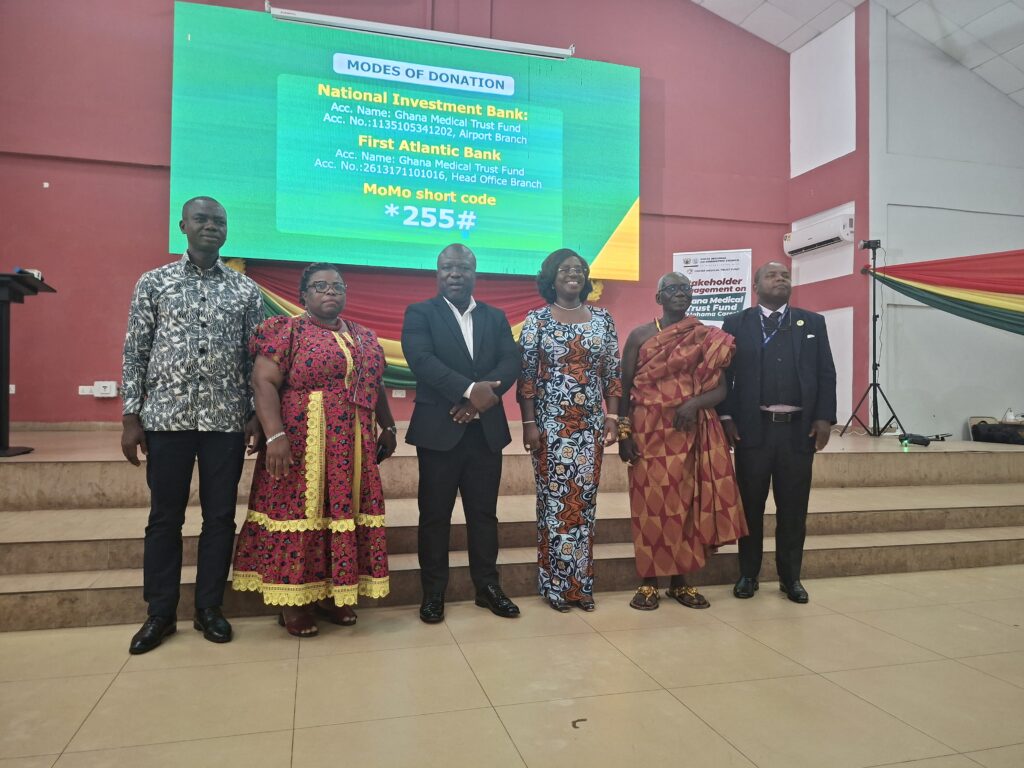
The Ghana Medical Trust Fund is intended to ease the financial burden associated with specialised treatment for eligible patients with designated chronic non-communicable diseases, while supporting improvements in the healthcare system.
The long-term impact of the initiative will depend on effective implementation, public understanding of eligibility requirements, adequate healthcare capacity and the ability of eligible patients to obtain the treatment they need.