
By Jones Anlimah
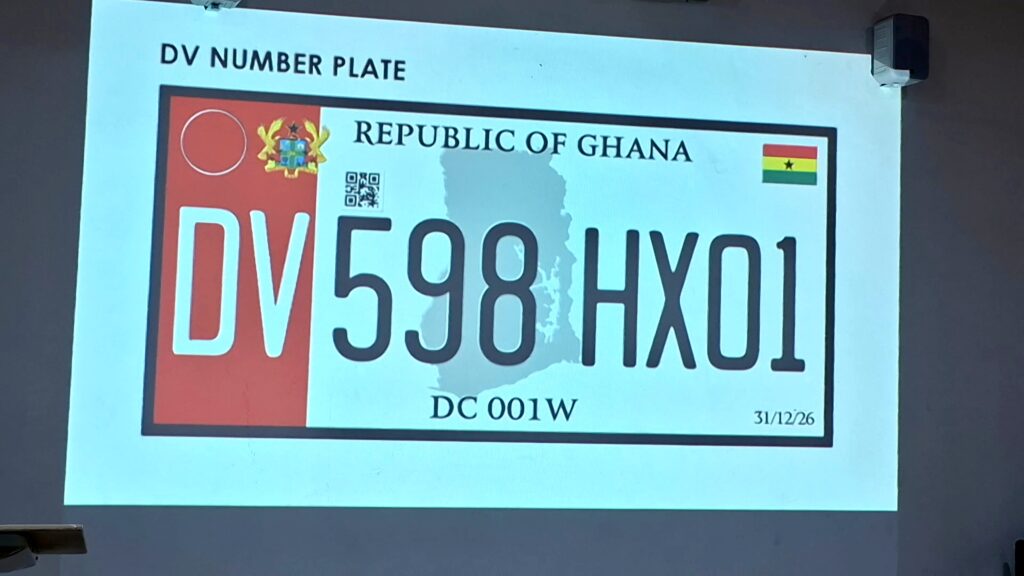
The Driver and Vehicle Licensing Authority (DVLA) has engaged stakeholders in the Volta Region on the upcoming vehicle registration system, which will introduce smart number plates embedded with RFID technology by 2026.
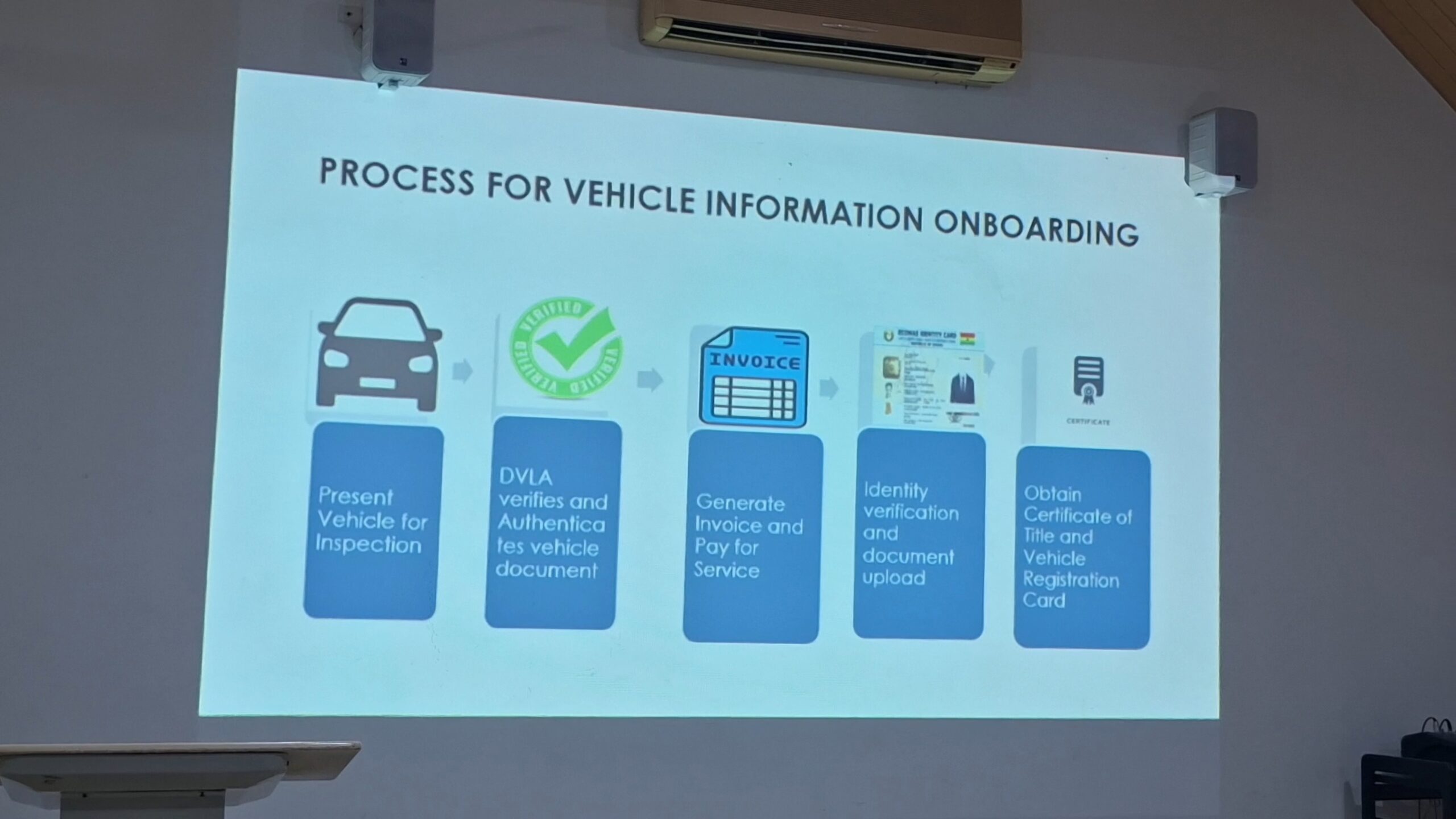
Speaking at the forum in Ho, Mr. Kwesi Bona Otuo Srebour, Deputy Director in charge of Vehicle Inspection and Registration at the DVLA Head Office, said the new system aims to modernise vehicle identification while maintaining a simple registration process.
“The process is not going to be different from what we do today. Don’t panic or think that because of how technologically loaded the system is, the process has become cumbersome, it has not,” he assured.
Mr. Otuo Srebour explained that while the procedures for inspection and verification remain the same, the final registration product will now come with an RFID-embedded plate, ensuring better data integrity.
“The plates will now have RFID chips embedded in them. This will help us achieve a clean database of vehicles in the country,” he said. “Currently, aluminium plates have no data embedded in them, making verification difficult. People can easily move plates from one vehicle to another and use them to commit crimes.”

He added that the technology will enable DVLA and security agencies to trace vehicles more efficiently and maintain an accurate electronic history for every vehicle in the country.
“This initiative will eliminate unregistered vehicles and help ensure public safety. With the electronic system, we’ll have the full history of every vehicle. Even potential buyers can verify ownership and history before making purchases,” he explained.
Mr. Otuo Srebour further disclosed that Parliament is considering amendments to existing laws to allow for the issuance of commercial licence plates to motorcycle and tricycle riders.
“We are waiting for Parliament to pass these amendments so we can officially issue commercial licence plates to motorcycle and tricycle riders,” he added.
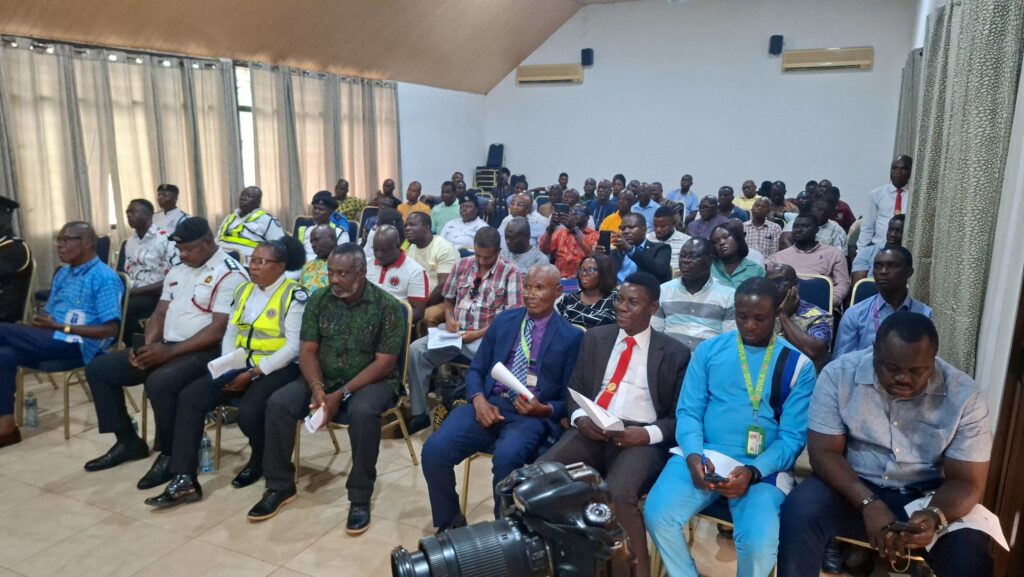
The Volta Regional Deputy Police Commander, Assistant Commissioner of Police Samuel Stephen Okunor, described the initiative as a positive step toward improving road safety and law enforcement efficiency.
“It’s a very good initiative because, currently, we go through so many manual processes at the DVLA, especially when investigating hit-and-run cases,” he noted. “With this new system, our work will be faster and more efficient. It will also improve vehicle identification, provided the necessary gadgets are made available.”
ACP Okunor, drawing from his experience abroad, highlighted that such digital systems are standard in advanced economies. “In Europe and the U.S., once you have the vehicle registration, everything is on a computer. You can easily identify vehicles and their owners. This move will bring Ghana closer to that standard,” he said, urging public cooperation with government efforts.
The engagement in Ho forms part of DVLA’s nationwide campaign to educate stakeholders and the public ahead of the 2026 rollout of the new vehicle registration system.