By Jones Anlimah
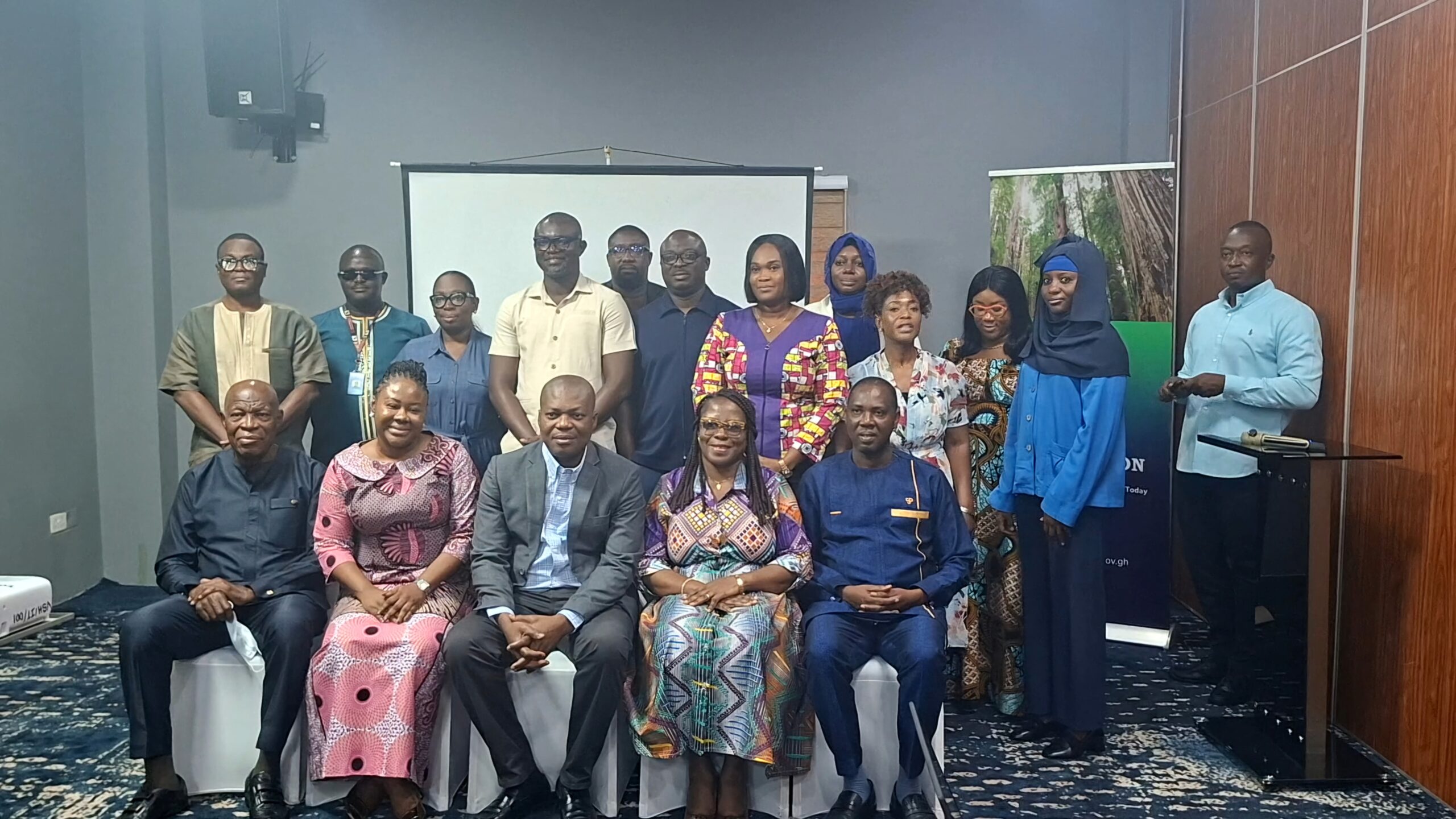
The Energy Commission has begun a three-day board engagement in Ho, in the Volta Region, to review Ghana’s draft Electric Vehicle (EV) charging and battery swap station regulations. Establishing a workable regulatory regime, is a key step toward building a regulated electric mobility ecosystem.
The engagement forms part of nationwide consultations ahead of parliamentary consideration of the proposed framework. The intension is to guide safe deployment of charging infrastructure across the country and support Ghana’s long-term transition from internal combustion engines and embrace the emerging EV trend .
The Board Chairman of the Commission, John Gartchie Gatsi, said the regulation will cover residential, commercial and workplace charging facilities as well as battery swap systems.
“The primary focus of this draft is EV charging infrastructure regulation and battery swap system regulation,” he stated.
He explained that, the framework will ensure consumer protection, technological compatibility and proper planning for the emerging industry.
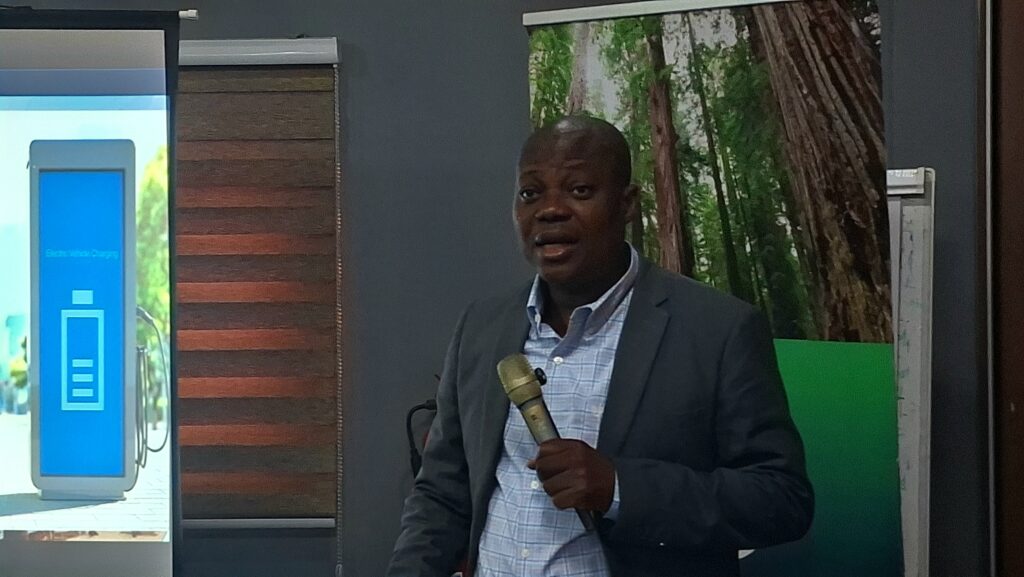
“Once passed, this draft regulation will empower the Energy Commission to effectively regulate and license all aspects of the EV infrastructure value chain, including the manufacturing, assembly, importation, installation and operation of charging equipment and battery swap systems,” he added.
The Deputy Director for Energy Efficiency Regulations, Kennedy Amankwah, said the Commission collaborated with the Ghana Standards Authority to develop national standards in 2023. “The draft EV charging station regulations have been developed to ensure conformity with international standards and electrical safety of residential, public and workplace charging stations,” he noted.
He added that the draft is currently undergoing legal review at the Attorney-General’s Department after nationwide stakeholder consultations.
Mr. Amankwah further revealed that regulatory overlaps with the National Petroleum Authority have been resolved.
“It was agreed that the Commission is the mandated institution for regulating EV charging stations, and both institutions have been given one month to streamline safety issues regarding installations at fuel stations,” he said.
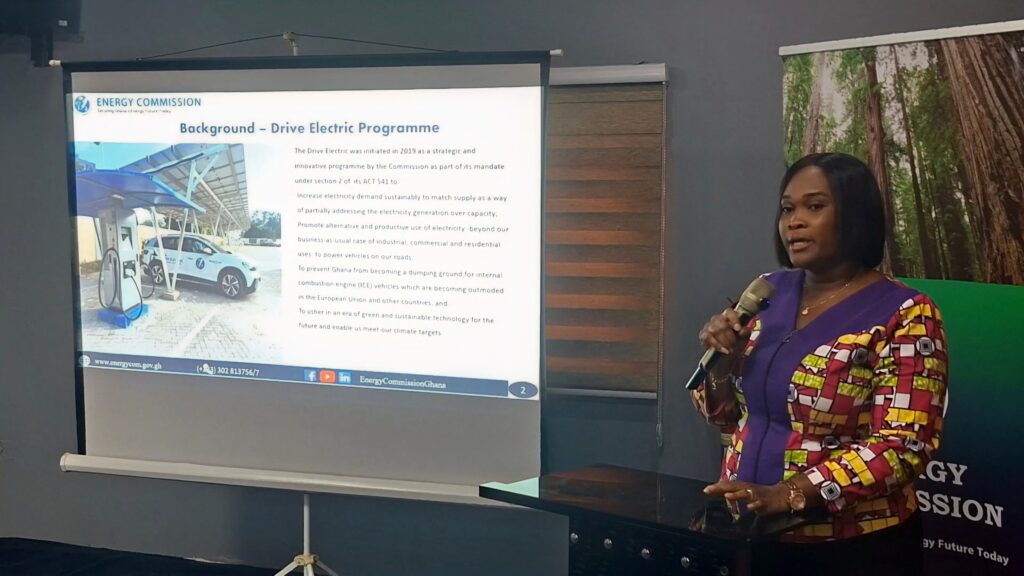
The Coordinator of the Drive Electric Programme, Joyce Caitlyn Ocansey, indicated that EV charging tariffs will be handled in collaboration with the Public Utilities Regulatory Commission. “Once that is done, our sister institution will communicate the tariffs to the public and the media,” she explained.
She also announced a GIS-based national charging allocation map to guide infrastructure deployment across regions and highway corridors.
“This allocation map will indicate the various locations where charging stations will be placed,” she said.
She disclosed that a grid impact studies will be conducted with Electricity Company of Ghana and GRIDCo on electricity supply concerns as far as EVs are concerned. “The idea is to look at our grid and ensure that once we bring in EVs, we don’t have challenges,” she noted.
The proposed regulations seek to create the legal foundation for safe EV adoption, attract private investment and support Ghana’s climate commitments, including its long-term target to phase out internal combustion engine vehicles by 2070.
The Board engagement is expected to produce final technical and policy inputs before the draft regulations are submitted for parliamentary approval.