
By Jones Anlimah
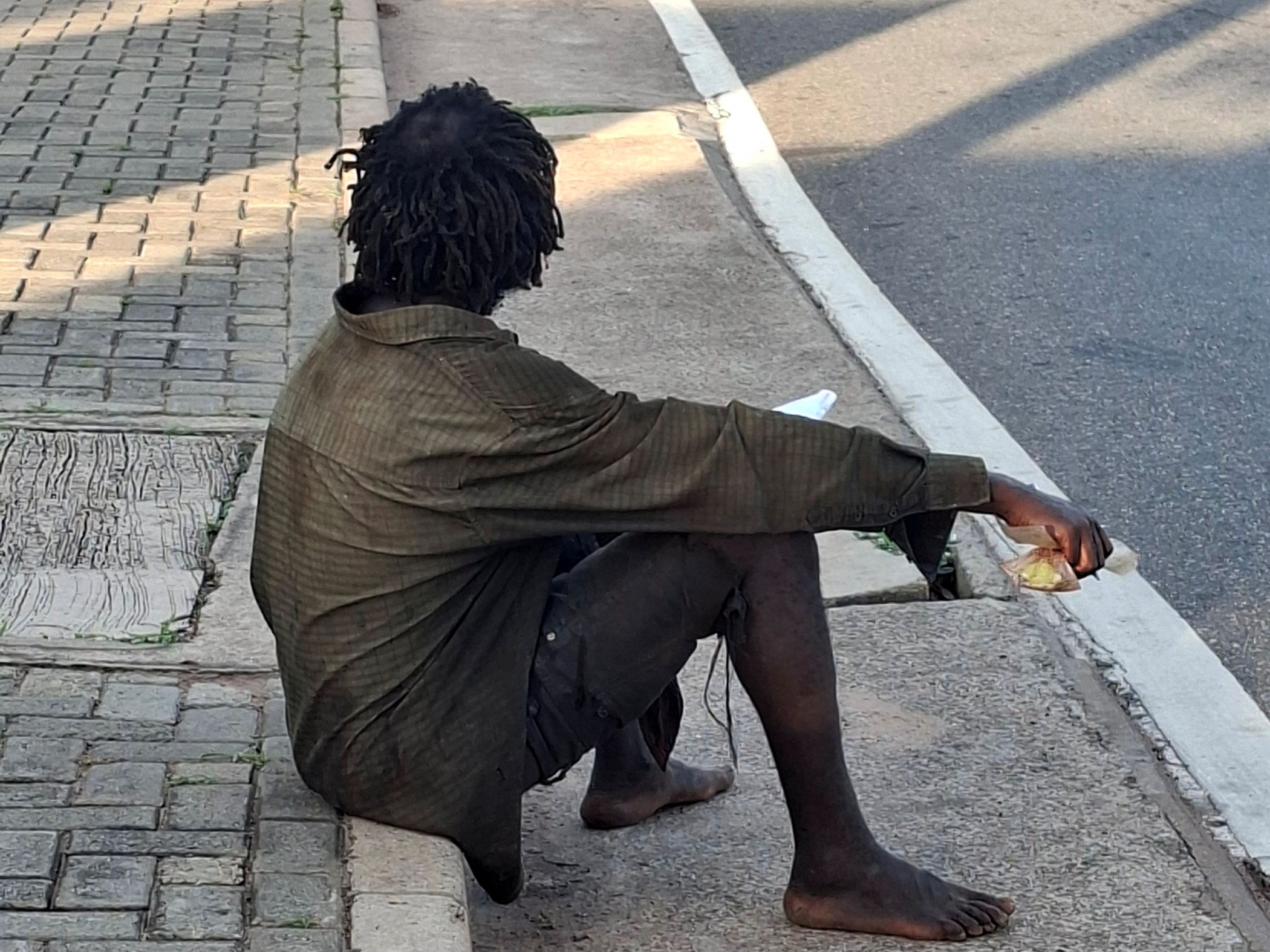
The streets of Ho, the Volta Regional capital, are increasingly becoming home to a growing number of persons living with mental health conditions, raising serious public concern about the state of mental health care, social protection systems, and community responsibility in the municipality.
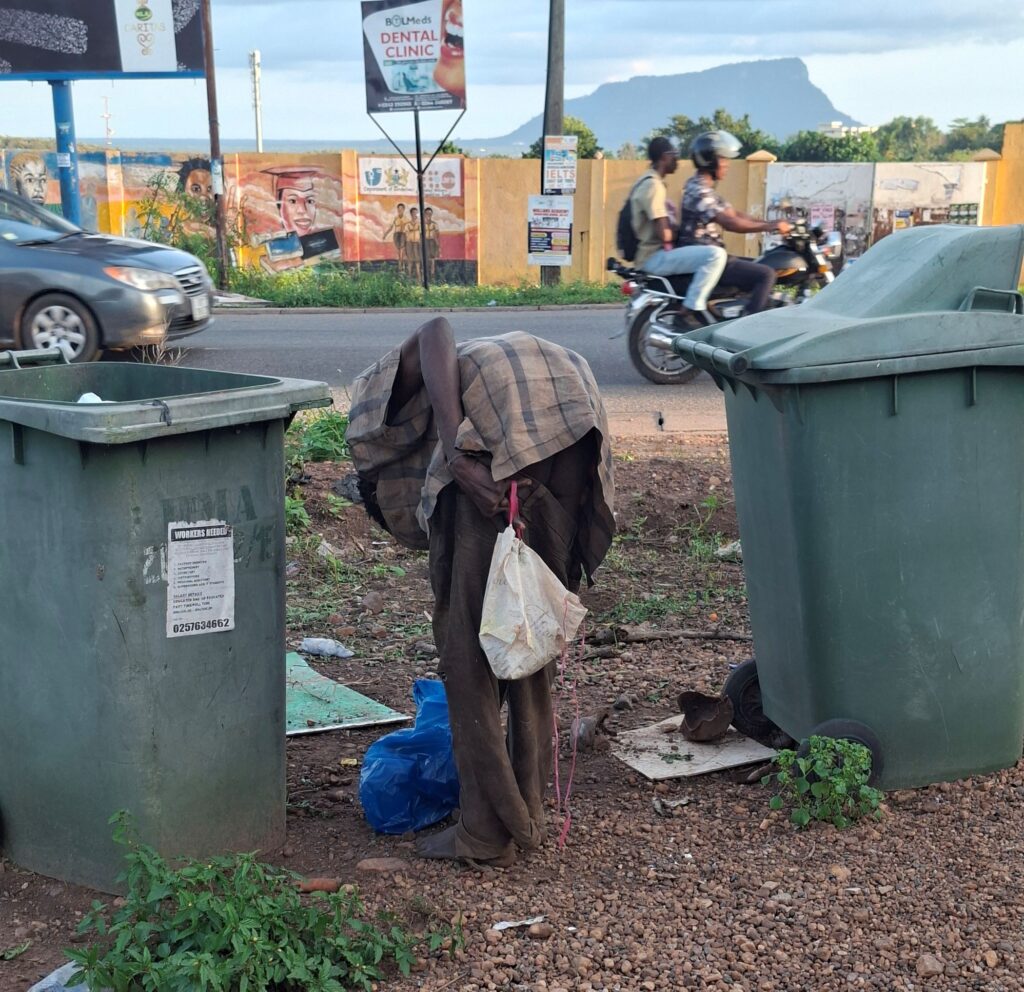
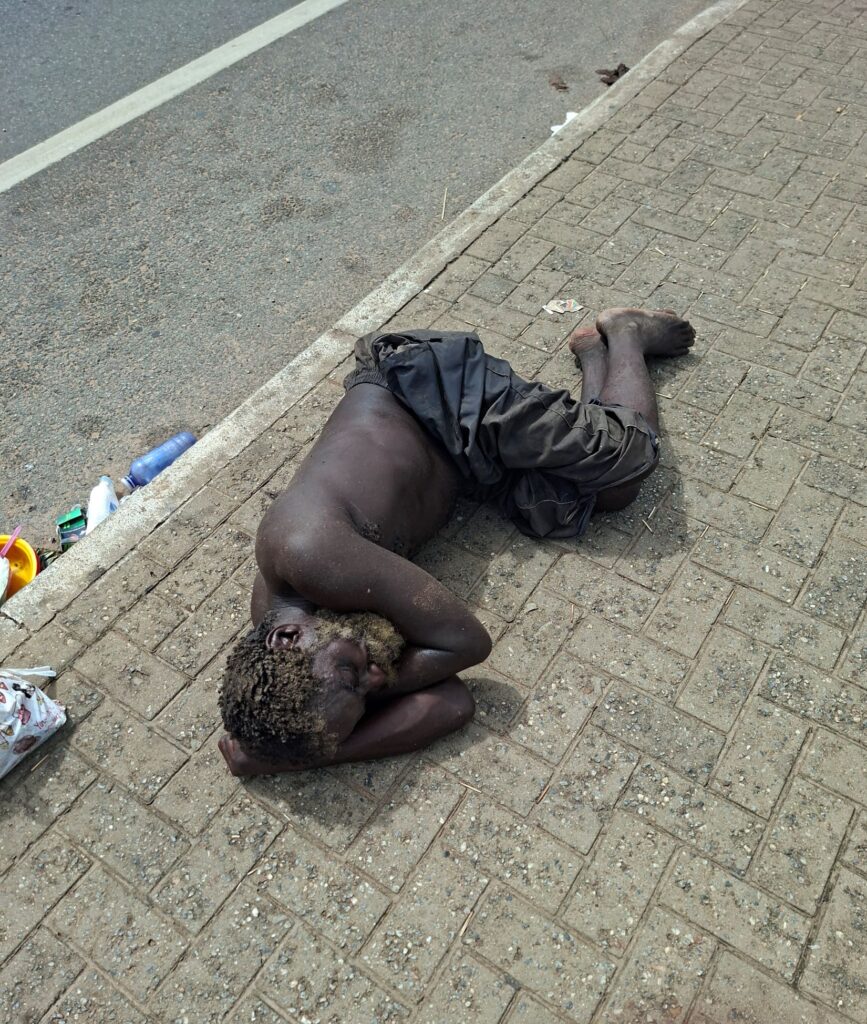
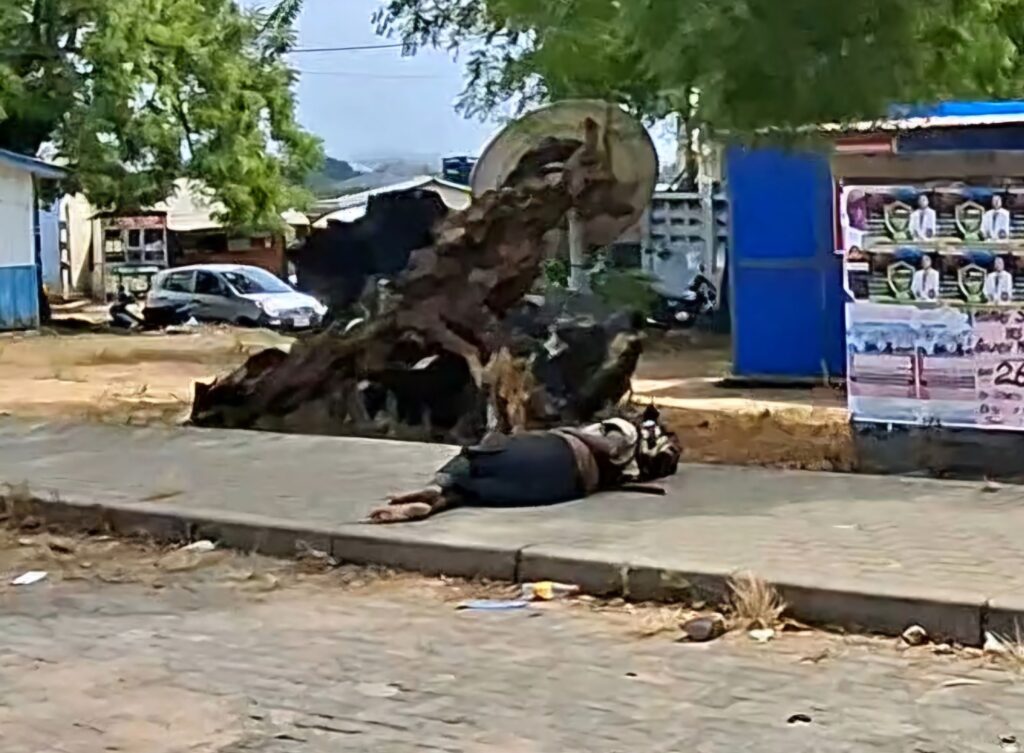
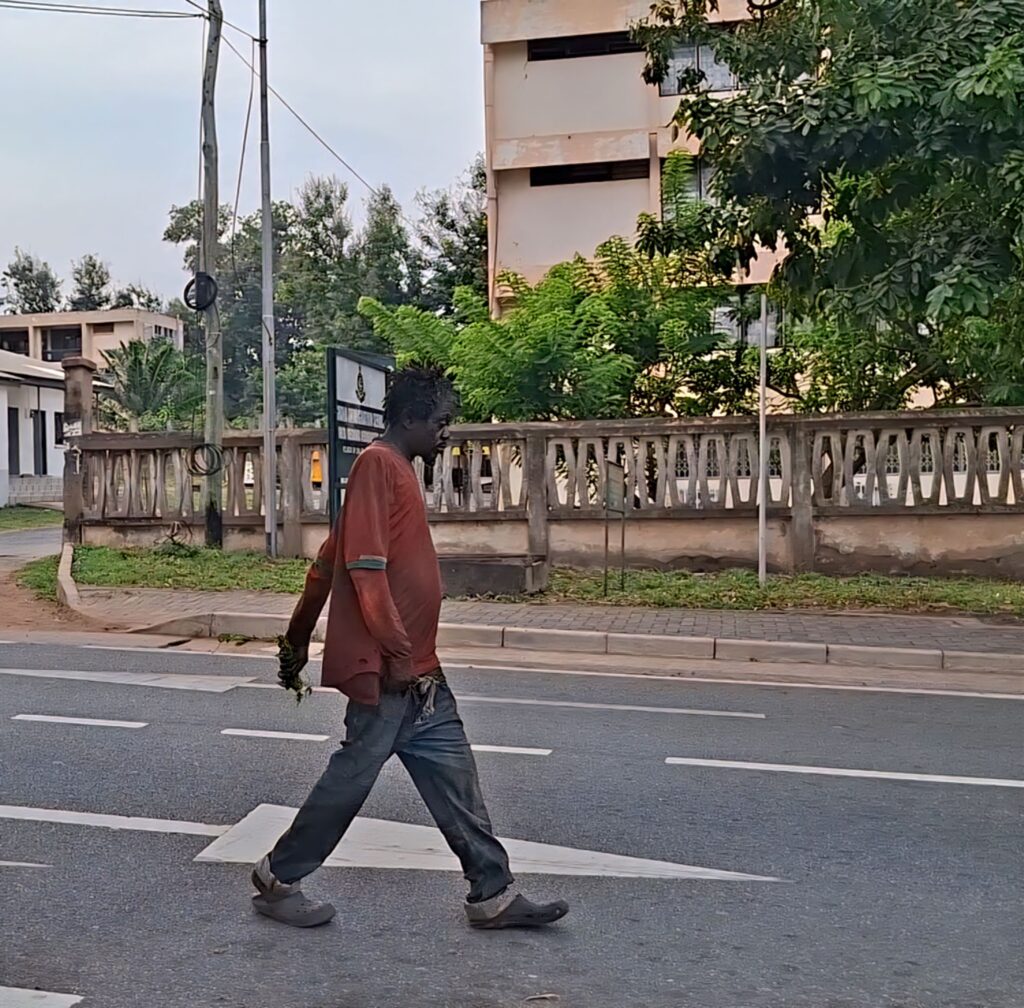
From the Ho Market through Civic Centre to major road intersections, men and women with visible mental disorders are frequently seen roaming, begging, sleeping on pavements and or scavenging through refuse bins. For many residents in the Municipality, the phenomenon has become both disturbing and unsettling.
Some residents recount encounters that highlight growing public anxiety. They say the presence of persons with mental disorders has become more visible in recent months, with some individuals reportedly exhibiting aggressive or erratic behaviour.
“There has been an increment of mentally challenged people on the streets. I once saw a mentally disturbed man trying to attack someone in a ‘Keke’ and later asking for money. It’s disturbing because you don’t know how to react,” one resident told GBC News.
Another resident shared that new faces keep appearing almost daily.
“Each day when you wake up, you see that there are new mentally challenged persons on the road. I heard that at night some of these people are dumped by the roadside. At my junction for example, one man can only crawl on his butt – we just woke up one day and saw him there,” he said.
A third resident recounted an encounter outside her office.
“I heard someone call out, gbɔgbɔ-vɔ̃ nyɔnu!gbɔgbɔ-vɔ̃ nyɔnu!!’ meaning ‘evil spirit woman’. She was laughing, so I laughed too. But it made me realise how many such people we now have around,” she said with concern.
Experts Cite Family Neglect and Weak Support Systems
The Volta Regional Mental Health Coordinator, Courage Ahorlu-Dzage, confirmed that there has been an increase in the number of persons with mental health conditions in Ho and across the Volta Region.
According to him the Mental Health Division has a system that monitors patients and conducts follow-ups whenever individuals fail to report for scheduled reviews.
“So if the individual is scheduled for a particular day to come for treatment, then maybe a week after the person hasn’t come, the system detects it and then we follow up on the individual to find out why the person had not come,” he explained.
Mr Ahorlu-Dzage emphasised that despite visible cases on the streets, the majority of patients are being cared for within their communities.
“In fact, the number of cases that we see, if all those cases were to come on the street, I don’t think even vehicles could ply our roads. Because in Ho alone, we’ve seen close to 2,000 cases last year alone. In Ho Municipality alone, we see close to 2,000 cases which are not on the streets. So if you see 50 patients on the streets, it means that we’ve done a lot,” he said.
“Should all the 2,000 cases, or even half of those 2,000 cases, come on the streets, where do we pass in this town? So our people are doing their maximum best in the midst of inadequate resources and all that. They are doing their best, and I must commend them for the efforts that they are doing,” he added.
He also urged families not to abandon their relatives who suffer from mental illness.
“Most of those you see on the streets are people who were once treated but later neglected. When they relapse, there’s no one to bring them back for care. Mental health is a shared responsibility,” he said.
Social Welfare Calls for More Resources and Public Support
For Mrs Stella Mawusi Mawutor, Volta Regional Director of the Department of Social Welfare, the issue reflects broader structural challenges, inadequate rehabilitation facilities, low public awareness, and persistent stigma.
She said her department continues to collaborate with the police and the Ghana Health Service to respond to cases involving aggressive or homeless mentally challenged persons.
“When such persons are identified, we work together with health officers to get them treated or relocated. But the challenge has always been logistics and funding. Managing just one person with a mental health condition demands a lot of resources and commitment,” she said.
She expressed concern that the lack of rehabilitation homes in the region limits reintegration efforts. “If we had shelters or rehabilitation centres, we could help many of these people stabilise and return to their families. But without that, they often end up right back on the streets,” she noted.
She appealed for stronger community involvement and consistent budgetary support to social protection agencies. “Society must stop the stigma. Mental illness is just like any other disease. With care, treatment and acceptance, people can recover and live productive lives,” she emphasised.
Psychologist Urges Preventive and Holistic Care
Clinical Psychologist Mr Jones Kwesi Tagbor, an executive member of the Ghana Psychological Association, described the trend as a “ticking public health issue” that must be tackled urgently.
He said many mental health challenges are rooted in stress, economic hardship, family neglect, and substance abuse.
“Many people are struggling silently. When social and economic pressures mount without coping mechanisms or support systems, breakdowns occur,” he observed.
Mr Tagbor called for greater public education and early intervention. “We need to normalise conversations around mental health. Prevention, counselling, and early intervention cost less than rehabilitation,” he stressed.
He also urged stakeholders to incorporate psychological services into schools and community health settings.
“Mental health care must not end at the hospital. It should start in our homes, churches, workplaces, and communities,” he said.
The Way Forward
Experts agree that while Ghana’s Mental Health Act, 2012 (Act 846) provides a sound framework for community-based care, implementation remains weak due to resource constraints and societal stigma.
They are therefore recommending:
- Strengthening family and community support for affected persons.
- Providing logistics and funding to social welfare and health services.
- Expanding public education to reduce stigma and encourage early treatment.
As Ho continues to witness an upsurge in mentally challenged persons on its streets, professionals warn that ignoring the issue could escalate social and public safety concerns.
“We are each other’s keeper,” Mrs Mawutor reminded. “Let’s go back to the communal values that make us Ghanaian – caring for one another.”
Until there is a coordinated effort to address their plight, Ho’s streets will continue to tell a painful story of neglect and forgotten humanity.