By Jones Anlimah
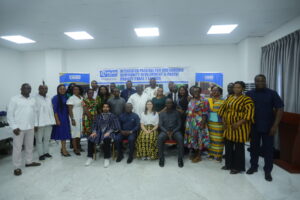
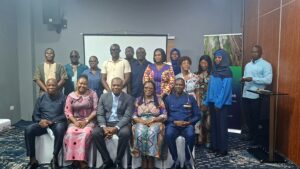
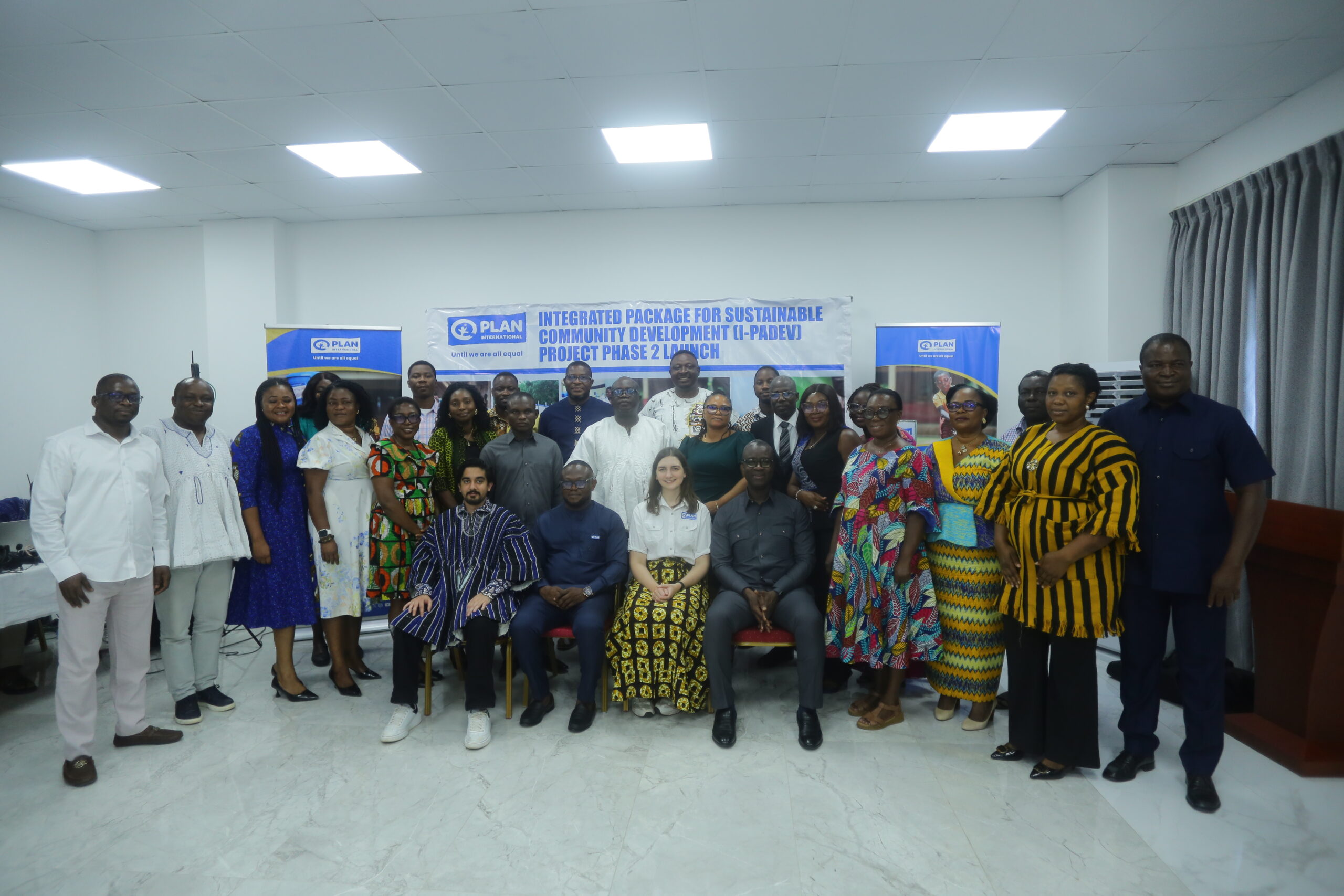
Plan International Ghana has launched Phase Two of the Integrated Package for Sustainable Development (I-PADEV) Project to improve water, sanitation and hygiene (WASH) services for 14,766 people in the Guan and Wa East Districts of the Oti and Upper West Regions.
The 32-month project, with a budget of €1,360,603, seeks to expand access to safe drinking water, improved sanitation and hygiene services, particularly for vulnerable girls and women.
Launching the project, in Accra, the Acting Country Director of Plan International Ghana, Frederick Tei-Nobi, described access to WASH services as a matter of dignity, equality and empowerment, rather than merely a health issue.
He said inadequate WASH facilities continue to disproportionately affect girls, especially in schools where menstrual hygiene management facilities remain limited.

Mr. Tei-Nobi cited a 2023 report by the Ministry of Sanitation and Water Resources which indicates that only 25 percent of Ghanaians have access to basic sanitation, while 18 percent practice open defecation. He added that nearly 90 percent of those practicing open defecation are from the poorest households, and three out of four households risk consuming contaminated water due to poor sanitation and hygiene practices.
He stressed that poor WASH conditions contribute to child morbidity and mortality and negatively impact girls’ educational outcomes, sometimes leading to school dropouts due to lack of menstrual hygiene facilities such as private changing spaces, running water and proper disposal systems.
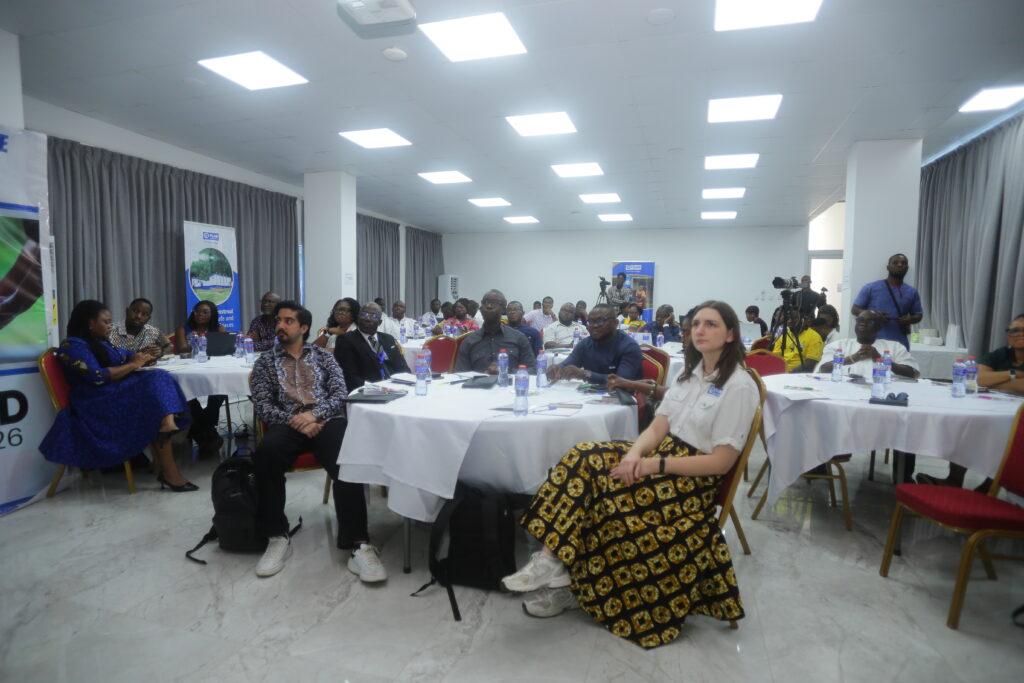
The I-PADEV Phase II Project will prioritize the provision of climate-resilient water facilities, improved sanitation infrastructure and handwashing stations in 16 communities. Schools will receive special attention, with interventions aimed at enhancing learning outcomes for adolescent girls.
The project will also promote gender-responsive parenting, strengthen healthcare services for Early Childhood Care and Development, and create livelihood opportunities to economically empower young women.
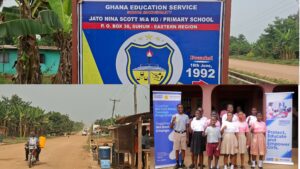
Mr. Tei-Nobi noted that Phase One of the project, implemented in the Jasikan Municipality in the Oti Region and the West Mamprusi Municipality in the North East Region, recorded significant progress across water, sanitation and hygiene indicators.
He assured stakeholders that Plan International Ghana would continue to work closely with communities, schools, civil society organizations and government institutions to ensure sustainable outcomes through infrastructure development, capacity building and behaviour change initiatives.
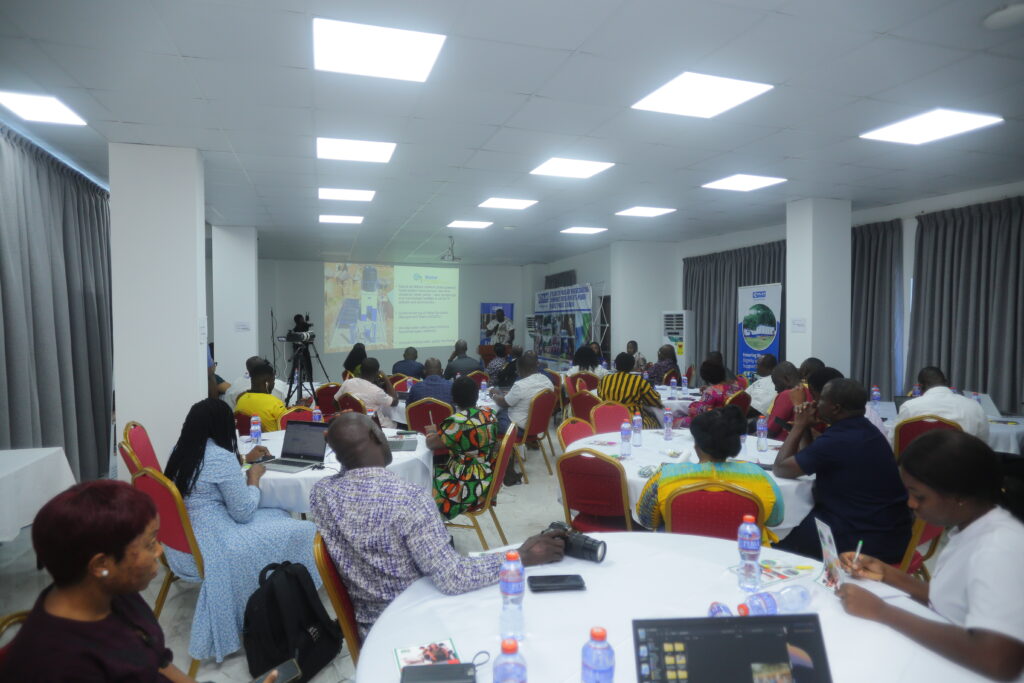
Declaring the project officially launched, Mr. Tei-Nobi expressed confidence that the intervention would create resilient and protective environments for children and help improve health and learning outcomes in beneficiary communities.
The I-PADEV Phase II Project is expected to run until 2028.