By Jones Anlimah
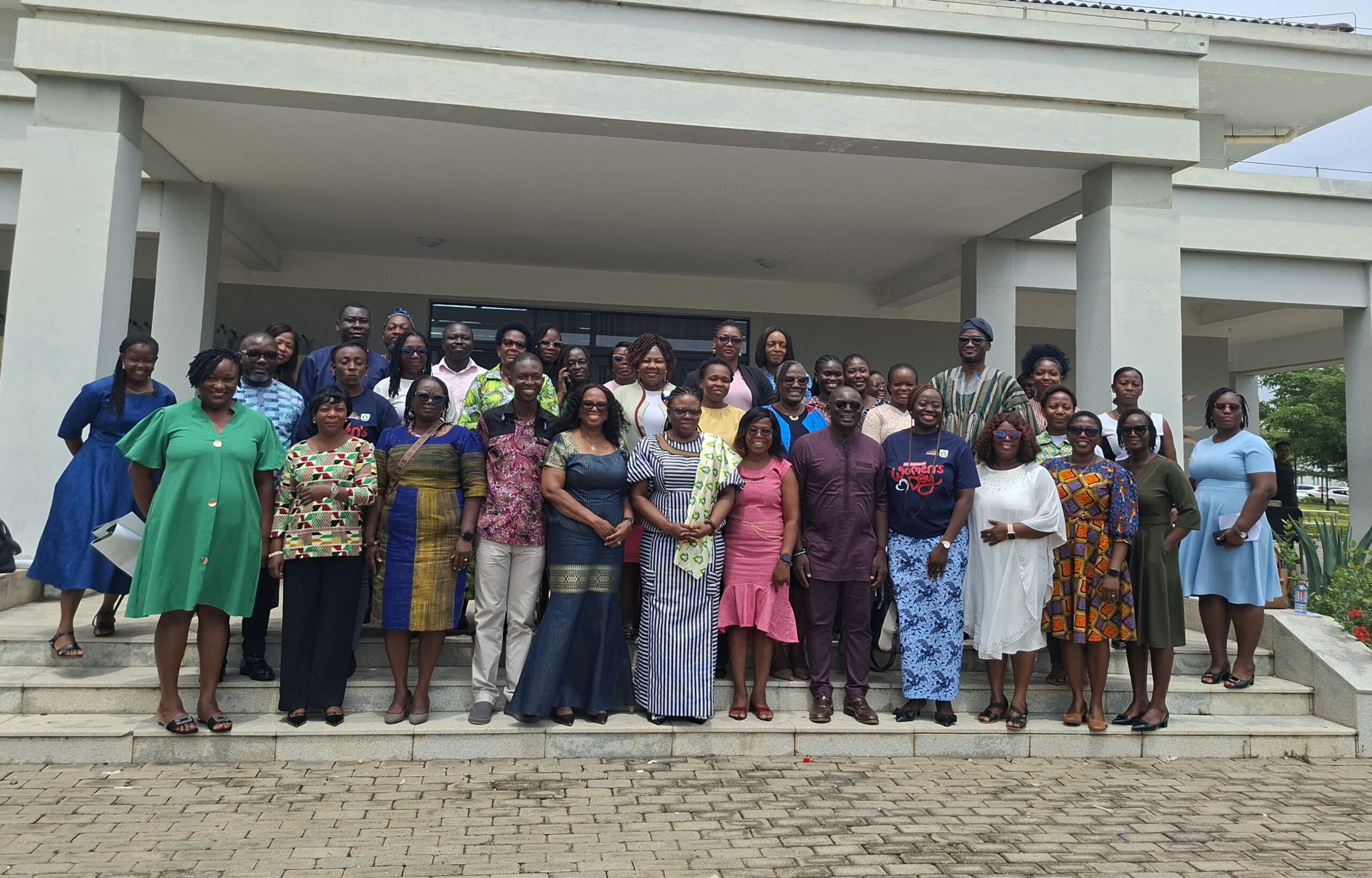
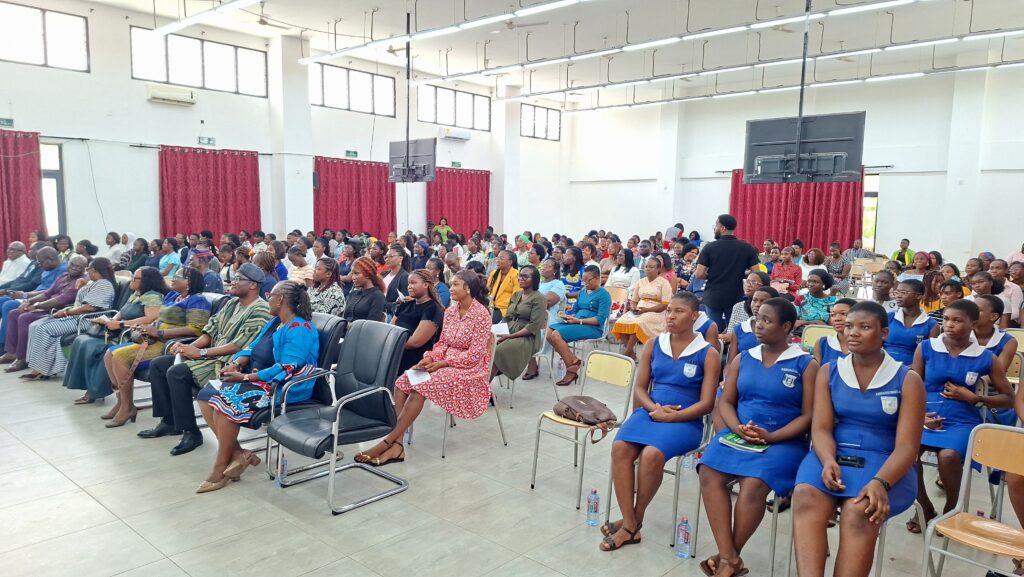
Participants at a symposium organised by UTAG-UHAS in collaboration with the University of Health and Allied Sciences (UHAS) to commemorate International Women’s Day 2026 have called for stronger mentorship programmes, institutional support systems, and deliberate policies to enable more women to rise to leadership positions in academia.
The event held at the Sokode-Lokoe Campus of the University, in the Ho Municipality of the Volta Region was under the theme “Give to Gain.”
The symposium focused on advancing gender equity in academia, research, and leadership, with a plenary discussion exploring how to enable the participation of women in leadership decision-making in academic institutions.
Professor Evelyn Korkor Ansah, of the Centre for Malaria Research, Institute of Health Research, UHAS, said empowering women benefits not only families but society as a whole.
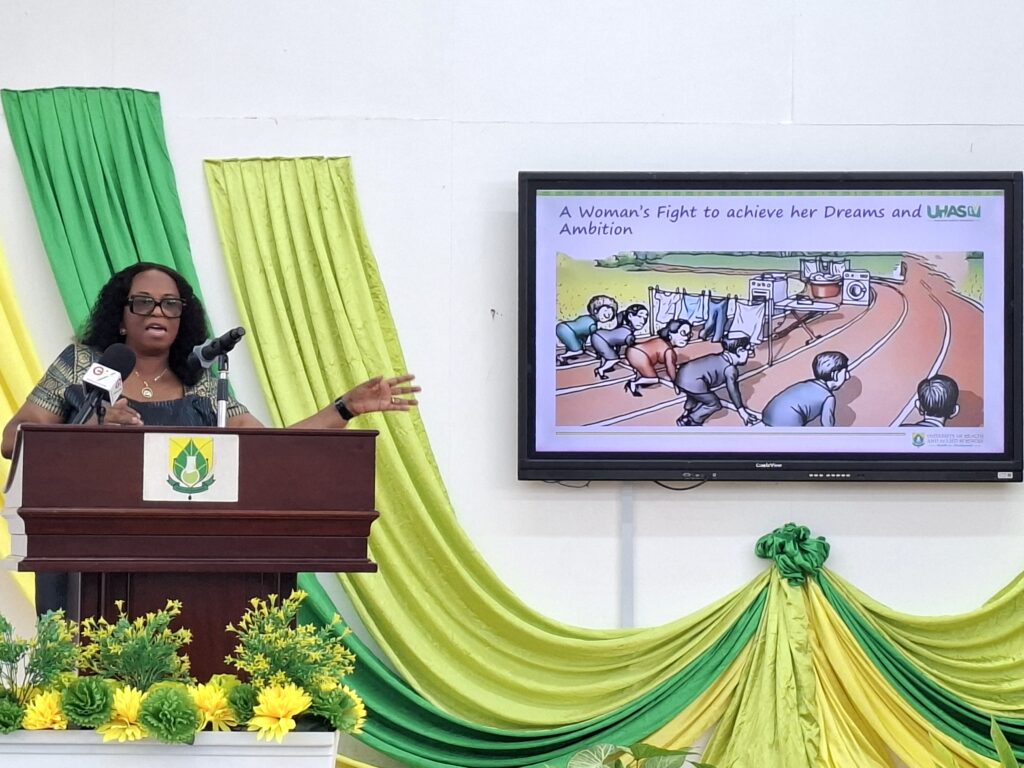
“When we empower women, we are actually empowering the whole family, the whole community, and the nation. Studies have shown that investing in women’s education and health leads to economic growth and improved health outcomes,” she said.
While Ghana has made notable progress, she said, the representation of women in academic leadership still remains low.
“Women comprise only about 24 percent of academic staff in tertiary institutions, and in Africa, women who hold vice chancellor positions make up just about 2.5 percent,” Professor Ansah noted.
She highlighted societal challenges women face in balancing professional ambitions with domestic responsibilities, noting that mentorship, institutional support, and dedicated resources can help women overcome these barriers.
The Women’s Executive Commissioner for UTAG-UHAS, Dr. Thelma Alalbila Aku, said creating supportive environments for women is essential for national progress.
“For society to truly gain, society itself must give to women. We must ask ourselves whether we are giving women equal opportunities and supportive environments to thrive,” she said.
Registrar of UHAS, Ms. Yaa Amankwaa Opuni, said the university is committed to ensuring women have a seat at the table in decision-making roles.
“When institutions give opportunities to women through leadership and research support, the institution gains stronger scholarship, better governance, and richer intellectual diversity,” she said.
The symposium also highlighted practical strategies to encourage women’s participation in leadership, including:
*intentional mentorship programmes connecting senior female academics with younger women in research and administrative roles,
*the establishment of endowment funds prioritising women’s professional development,
*crèche facilities and breastfeeding rooms to support women balancing family and work, and
*affirmative action policies ensuring at least 30% representation of women in leadership roles.

Professor Ansah urged attendees to actively support women in academia and encouraged women to prioritise their growth and professional visibility.
“Keep pushing the boundaries. Keep breaking the barriers. Hold down the ladder for other women to climb behind you,” she said.
The symposium ended with a strong call for ongoing mentorship, supportive policies, and institutional reforms to ensure that women in academia can thrive, lead, and reach their full potential—truly embodying the spirit of this year’s theme, “Give to Gain.”