By Jones Anlimah
The Volta Region is making steady progress in Ghana’s fight against HIV and AIDS as the country works toward achieving the UNAIDS 95-95-95 targets by 2030, authorities of the Ghana AIDS Commission have said.
Under the global framework, countries are expected to ensure that 95 percent of people living with HIV know their status, 95 percent of those diagnosed are placed on treatment, and 95 percent of those on treatment achieve viral suppression. Ghana has committed to meeting these targets to end AIDS as a public health threat by the end of the decade.
Latest National HIV Estimates for 2024 place the Volta Region eighth out of Ghana’s sixteen regions, with an HIV prevalence rate of 1.58 percent among adults aged 15 to 49. This translates to about two in every hundred adults living with HIV in the region.
According to the Volta Regional Technical Coordinator of the Ghana AIDS Commission, Mary Naa Ashley Anyomi, the estimates are generated using a combination of demographic surveys, health sector data and programmatic information to guide interventions.
“Because we have insufficient resources to implement HIV activities wholesale everywhere, we need to prioritise. And based upon the issues, we know exactly where to go to implement programmes,” she explained.
Higher Burden Among Key Populations
While prevalence among the general population remains relatively low, data shows a significantly higher burden among key populations in the region. HIV prevalence among female sex workers stands at about 4.3 percent, while prevalence among men who have sex with men is estimated at 29 percent.
Ms Anyomi said these figures justify the region’s targeted approach to HIV interventions.
“When you take the men who have sex with men, when you take 100 people, 29 people are likely to be HIV positive in the region. The female sex workers also have a much higher prevalence compared to the general population,” she noted.
Women Most Affected
In 2024, the Volta Region recorded 809 new HIV infections, accounting for about five percent of Ghana’s total new cases. Women continue to bear the greater burden of the epidemic.
“Already, HIV has a female face. Sixty-seven percent of the HIV population in the region are females,” Ms Anyomi said, describing what health officials refer to as the feminisation of the HIV epidemic.
Several districts, including Ho, Hohoe, Ketu South, North and South Tongu, contribute the majority of people living with HIV and new infections in the region.
Treatment Gaps and Progress
Although viral suppression among people on treatment is relatively strong, antiretroviral therapy (ART) coverage remains below target in most districts, with many recording less than 60 percent coverage, far below the required 95 percent.
Authorities say improving treatment access remains a priority, as treatment also reduces transmission.
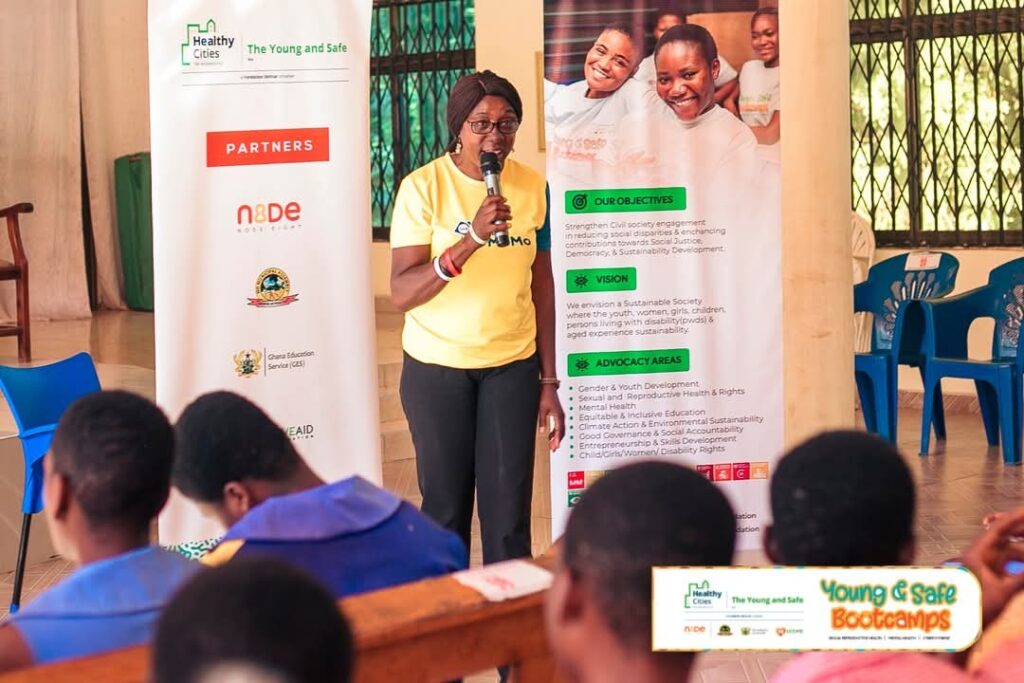
“We are focussing on treatment because treatment is a form of prevention. Once you’re on treatment, the probability of transmitting the virus to another person is greatly reduced,” Ms Anyomi stated.
Education, Testing and Funding Scaled Up
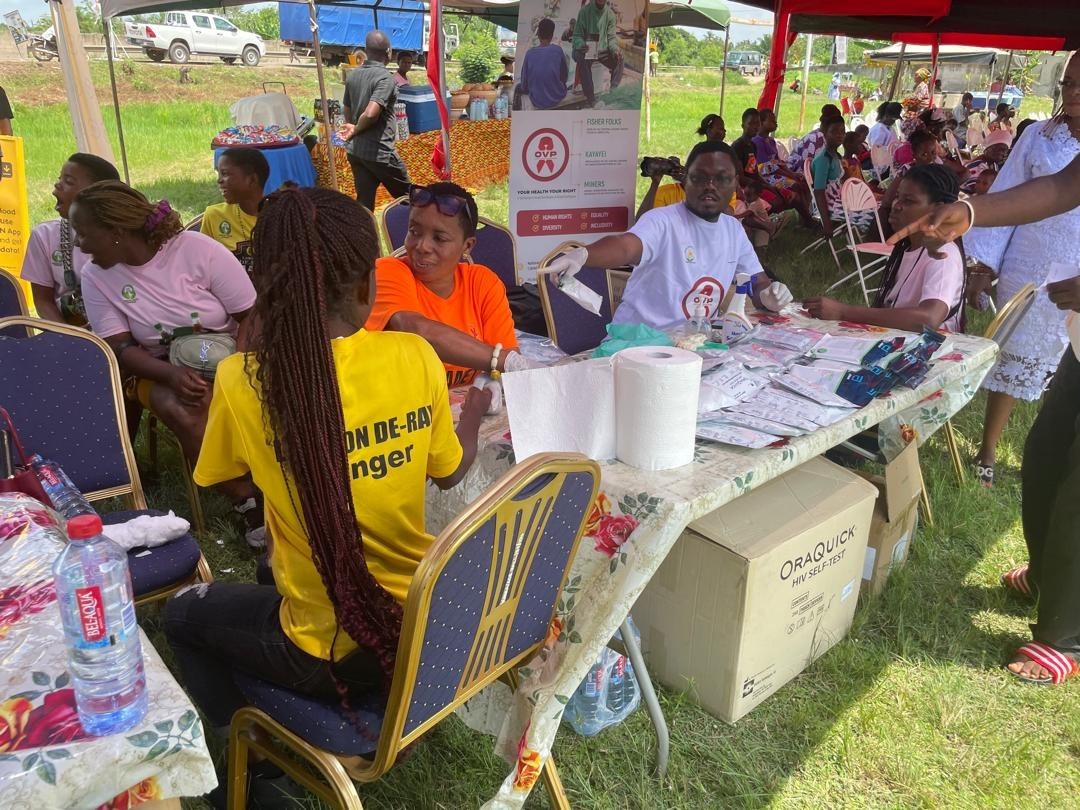
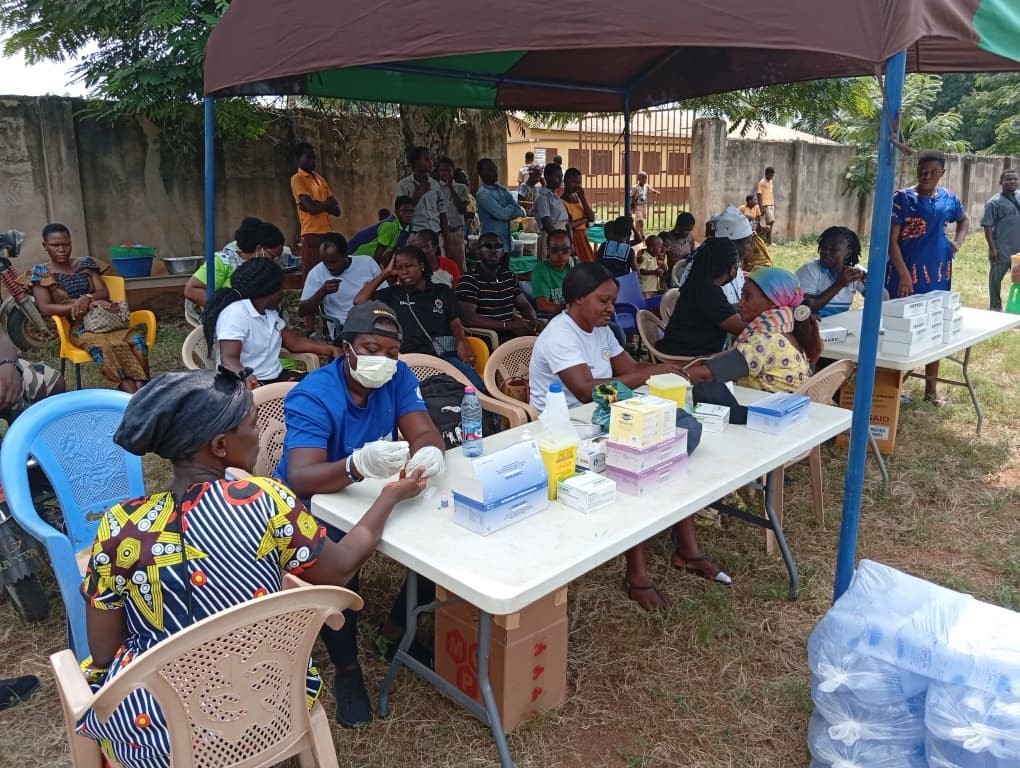
To improve performance across the 95-95-95 indicators, the region has intensified public education and HIV testing at festivals, markets and community events, while schools are being used as platforms to reach young people with accurate information.
Funding for HIV activities at the district level has also increased through the District Assembly Common Fund, allowing assemblies to scale up education and testing efforts.
Stigma Remains a Major Challenge
Despite progress, stigma and discrimination continue to hinder testing, disclosure and treatment adherence in the region.
“We still have issues of stigma and self-stigma, and that discourages people from testing and even accessing treatment,” Ms Anyomi noted.
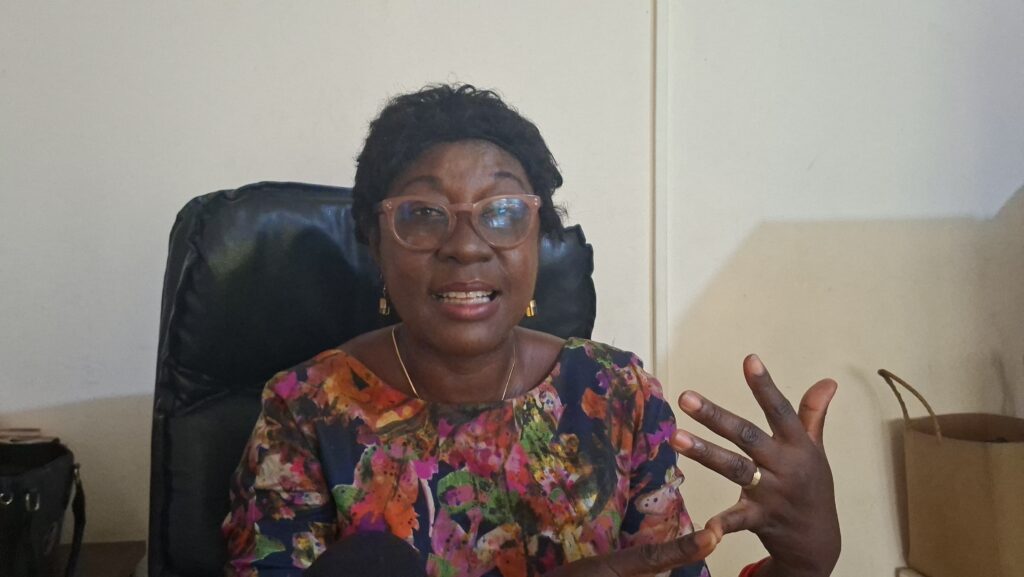
She stressed that legal protections exist to safeguard the rights of people living with HIV, and institutions are working with health authorities to address discrimination.
As Ghana counts down to 2030, health officials say sustained testing, expanded treatment coverage and the elimination of stigma will be crucial if the Volta Region is to contribute meaningfully to ending AIDS as a public health threat.