By Jones Anlimah
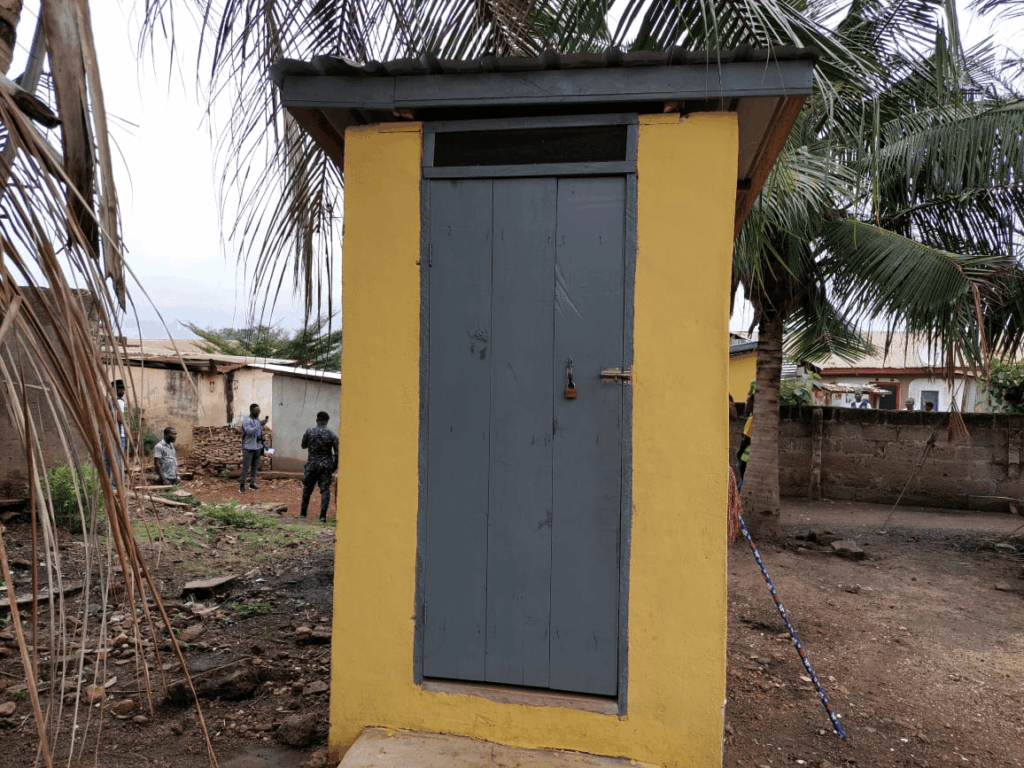
Out of more than 2,700 communities in the Volta Region, only 319 have so far been verified and certified as Open- Defecation-Free (ODF). This represent about 11.7 percent.
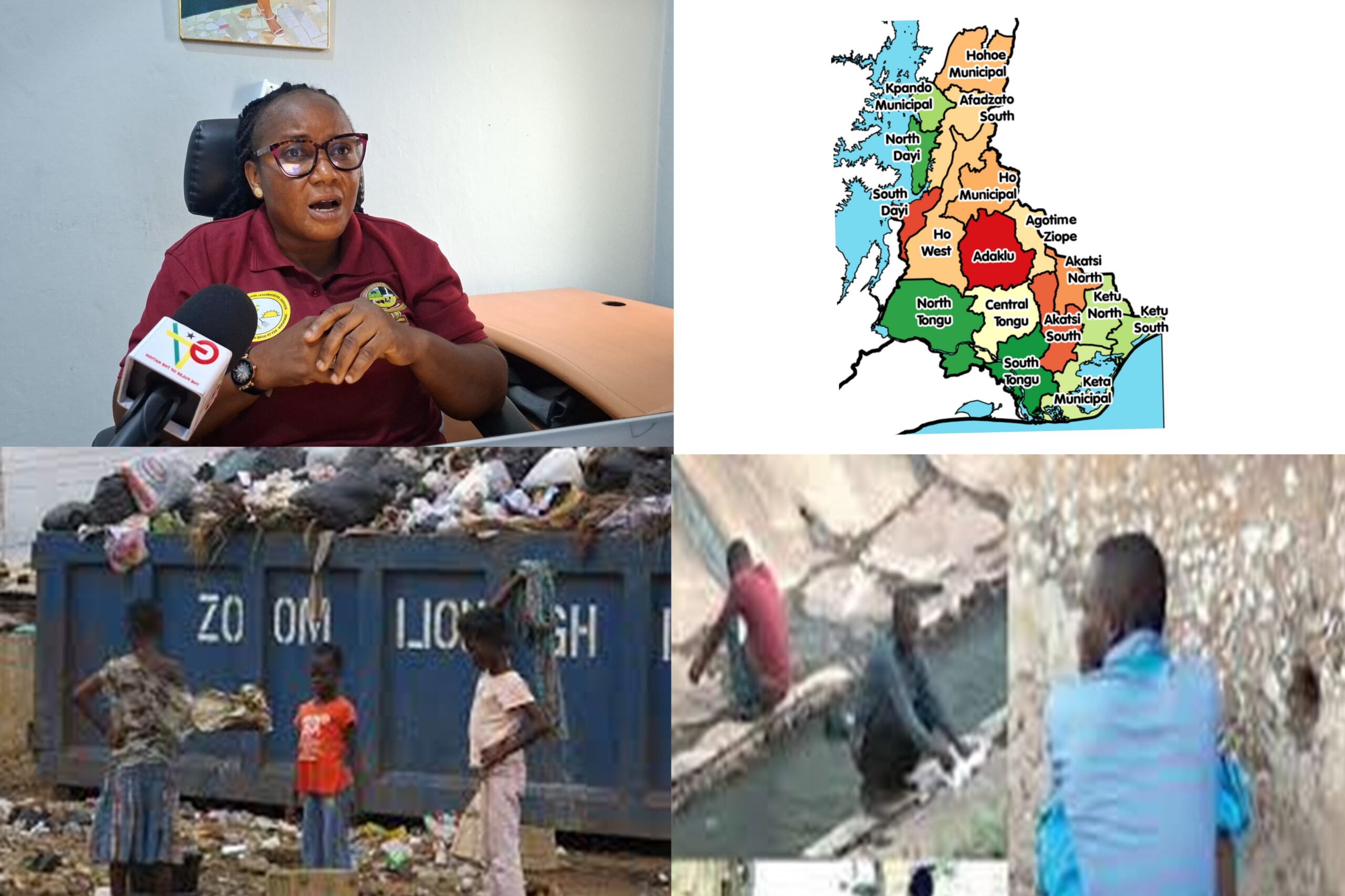
The Regional Director of Environmental Health and Sanitation Unit, Mrs Stella Kumedzro, says although the region has been described as one of the cleanest in the country, the pace of progress remains too slow to meet the 2030 target for eliminating open defecation.
“If we double our efforts, we can get there. But if we move at the current pace, it will be quite challenging,” she told GBC News.
Mrs. Kumedzro said some districts, including Afadjato South, Agotime-Ziope and Akatsi South, are showing positive results, while others such as South Tongu, Central Tongu and North Tongu lag behind.
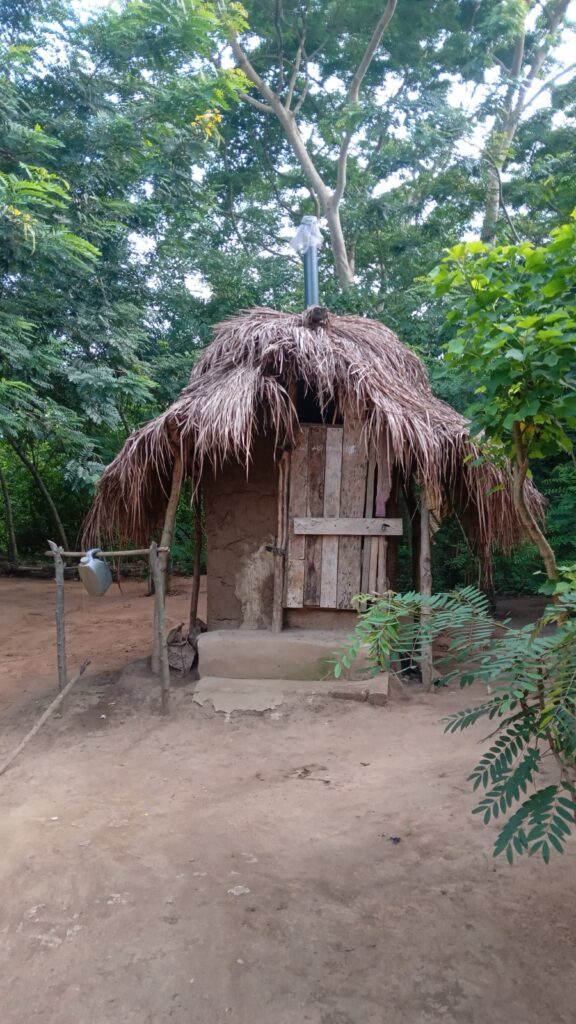
She credited support from organisations like UNICEF, World Vision, and Plan International Ghana for helping the region achieve initial milestones, but noted that reduced funding in recent years has slowed field monitoring and community follow-ups.
“When the funds stopped flowing, field officers couldn’t follow up regularly, and that slows behaviour change in the communities,” she explained.
To sustain gains, the government has directed that 10 percent of the District Assembly Common Fund be allocated to sanitation-related projects, a policy Mrs. Kumedzro described as “a very welcoming development.”
She highlighted the success of the Community-Led Total Sanitation (CLTS) model, where residents identify and tackle their own sanitation issues.
“Once the community embraces what we’re doing, they continue even in our absence,” she added. Other initiatives include recognition for ODF communities, sanitation marketing, and targeted assistance for vulnerable households unable to afford toilets.
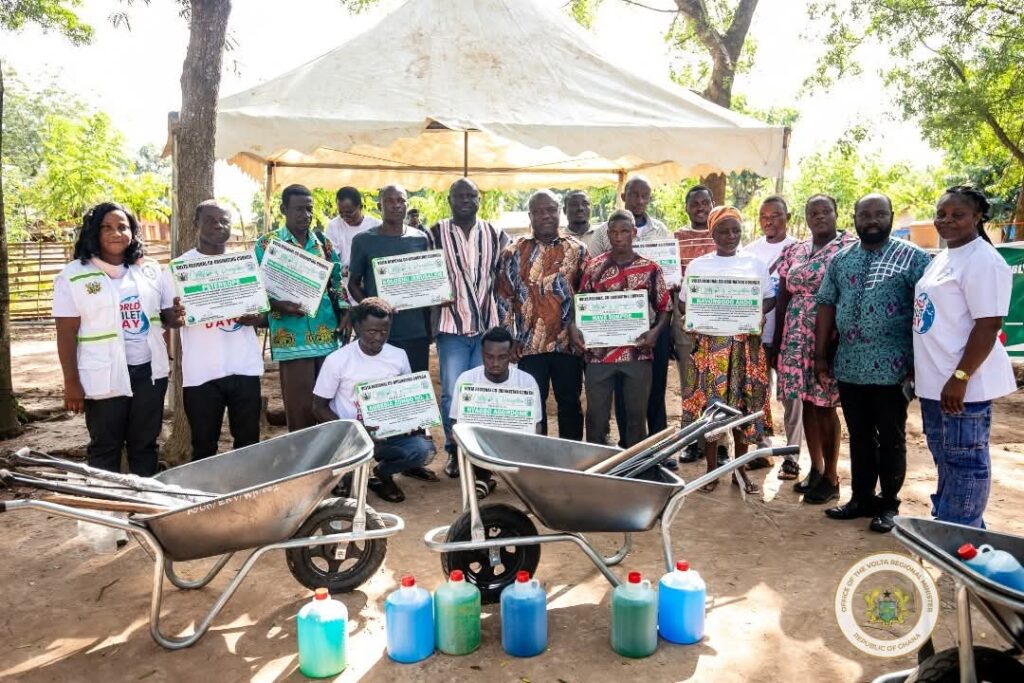
Sanitation in Schools and the National Sanitation Day
The Regional Director expressed concern about poor sanitation conditions in some schools, describing recent inspection findings as “worrying.” “Some schools had to call for instant abatement of nuisances. The situation was very bad, though assemblies intervened,” she said.
She also noted that inadequate facilities contribute to absenteeism among girls. “Most girls prefer to stay home during their periods because there are no changing rooms for them,” she revealed.
According to her the reintroduction of National Sanitation Day, held on the first Saturday of each month, has further improved awareness and communal action. “It has raised awareness and brought back that communal spirit. Assemblies like Keta and Kpando are involving schools and youth groups,” Mrs. Kumedzro said.
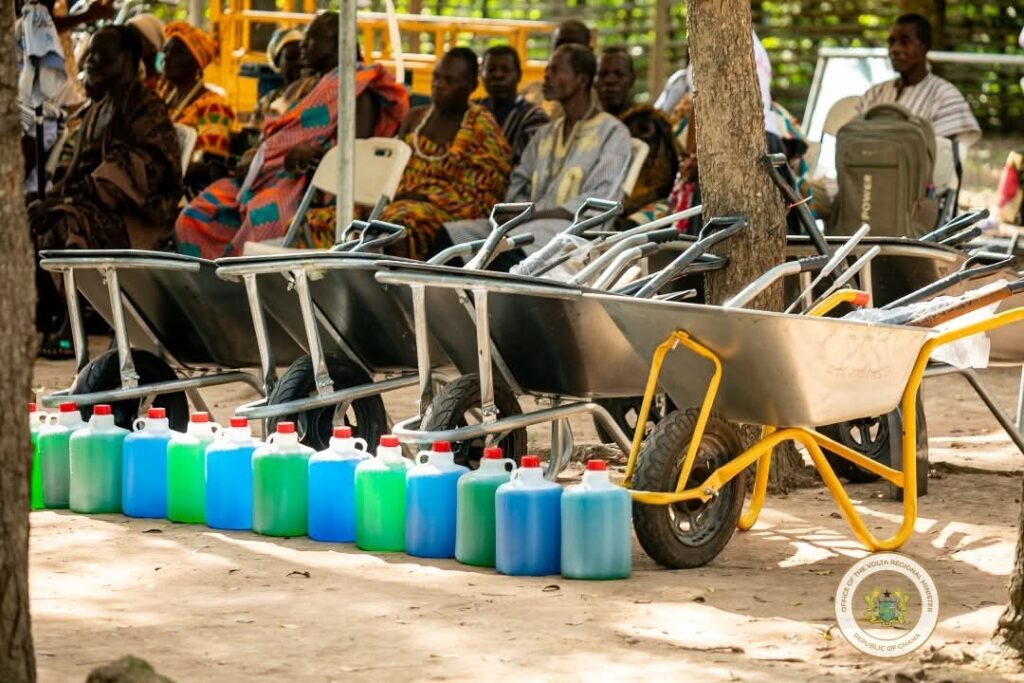
The Hohoe Municipality has bought tricycles and other sanitary tools door-to-door for household waste collection, while chiefs are also helping to enforce local by-laws and community penalties against open defecation. “When rules come from the community itself, like making offenders buy plastic chairs among others, people obey, and it works,” she noted.
Despite the gains, Mrs. Kumedzro admitted that limited resources and occasional interferences continue to hamper progress. She called for greater collaboration and community commitment to sustain achievements.
“If they praise you that you are good, it means you must keep being good. We are leading now, but we still need to do more,” she concluded.
The Volta Region aims to accelerate its efforts to achieve full Open Defecation-Free status before the 2030 national deadline, a status to maintain its reputation as one of Ghana’s cleanest regions.