By Jones Anlimah
Women, Media and Change (WOMEC) has called for bold, sustained national action to safeguard sexual and reproductive health and rights, describing them as central to achieving the Sustainable Development Goals (SDGs).
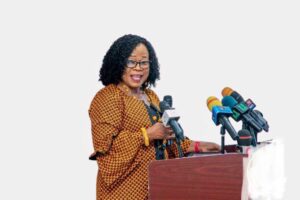
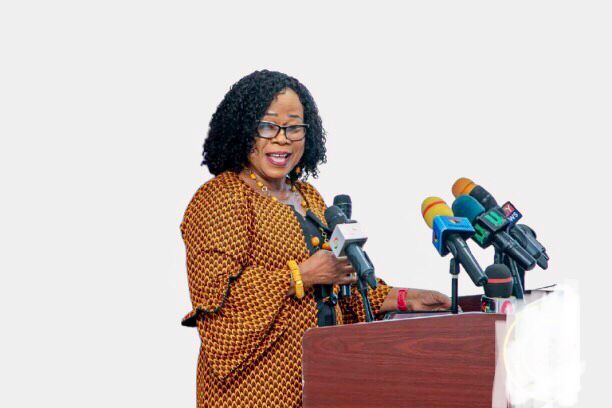
In a statement to mark Sexual and Reproductive Health Awareness Day 2026, the Executive Director of WOMEC, Dr. Charity Binka, said access to comprehensive sexual and reproductive healthcare is a fundamental human right that must be protected through deliberate policy implementation, adequate funding and systemic reforms.
The organisation expressed concern that despite global, regional and national commitments, women and young people continue to face barriers to essential services due to misinformation, stigma and unequal access to care. According to WOMEC, these persistent gaps contribute to preventable maternal health complications, unsafe practices and long-term social and economic consequences.
Dr. Binka emphasised that advancing sexual and reproductive health is directly linked to the attainment of several SDGs, particularly Goal 3 on Good Health and Well-Being, Goal 5 on Gender Equality, and Goal 10 on Reduced Inequalities. She noted that without improved access to accurate information and quality healthcare services, efforts to reduce maternal mortality, end preventable deaths and promote gender equity could be undermined.
WOMEC is therefore urging government and other duty bearers to move beyond policy rhetoric and prioritise effective implementation. The organisation is advocating increased domestic investment in reproductive health, strengthened health systems and the provision of adolescent- and youth-friendly services that are accessible, affordable, confidential and free from stigma.
The statement further called for early detection and quality care for conditions such as cervical cancer, sexually transmitted infections, endometriosis and other reproductive health challenges that often remain underdiagnosed and undertreated. It also highlighted the need for comprehensive sexuality education to equip young people with accurate knowledge to make informed decisions.
WOMEC underscored the role of the media in advancing the national conversation on sexual and reproductive health. It urged media institutions to adopt sustained, evidence-based reporting to challenge harmful myths, address misinformation and hold policymakers accountable for commitments made under national and international frameworks.
“Empowerment begins with knowledge, but it must be matched by action,” the statement said, stressing that education must translate into policy reform, improved service delivery, adequate budgetary allocations and measurable outcomes.
On Sexual and Reproductive Health Awareness Day, WOMEC called on policymakers, health professionals, educators, media practitioners and civil society organisations to act with urgency and accountability to ensure that every woman and girl can access quality healthcare without discrimination and exercise her reproductive rights in dignity.
Dr. Binka reiterated that safeguarding sexual and reproductive health is not only a public health imperative but also a development priority essential to building inclusive, equitable and resilient societies.