By Jones Anlimah
Stakeholders in Ghana’s health and nutrition sector are calling for increased investment in nutrition interventions and stronger policy implementation to accelerate the country’s progress toward the Sustainable Development Goals (SDGs).
The call was made during a webinar on “From Policy to Access: Strengthening Nutrition and Nutrition Financing in Ghana,” organised by Women Media and Change (WOMEC), the Eleanor Crook Foundation and Nourish Ghana.
The advocacy-focused webinar brought together health professionals, civil society organisations, the media, development partners and nutrition advocates to deliberate on ways of strengthening access to essential nutrition services and financing mechanisms in Ghana.
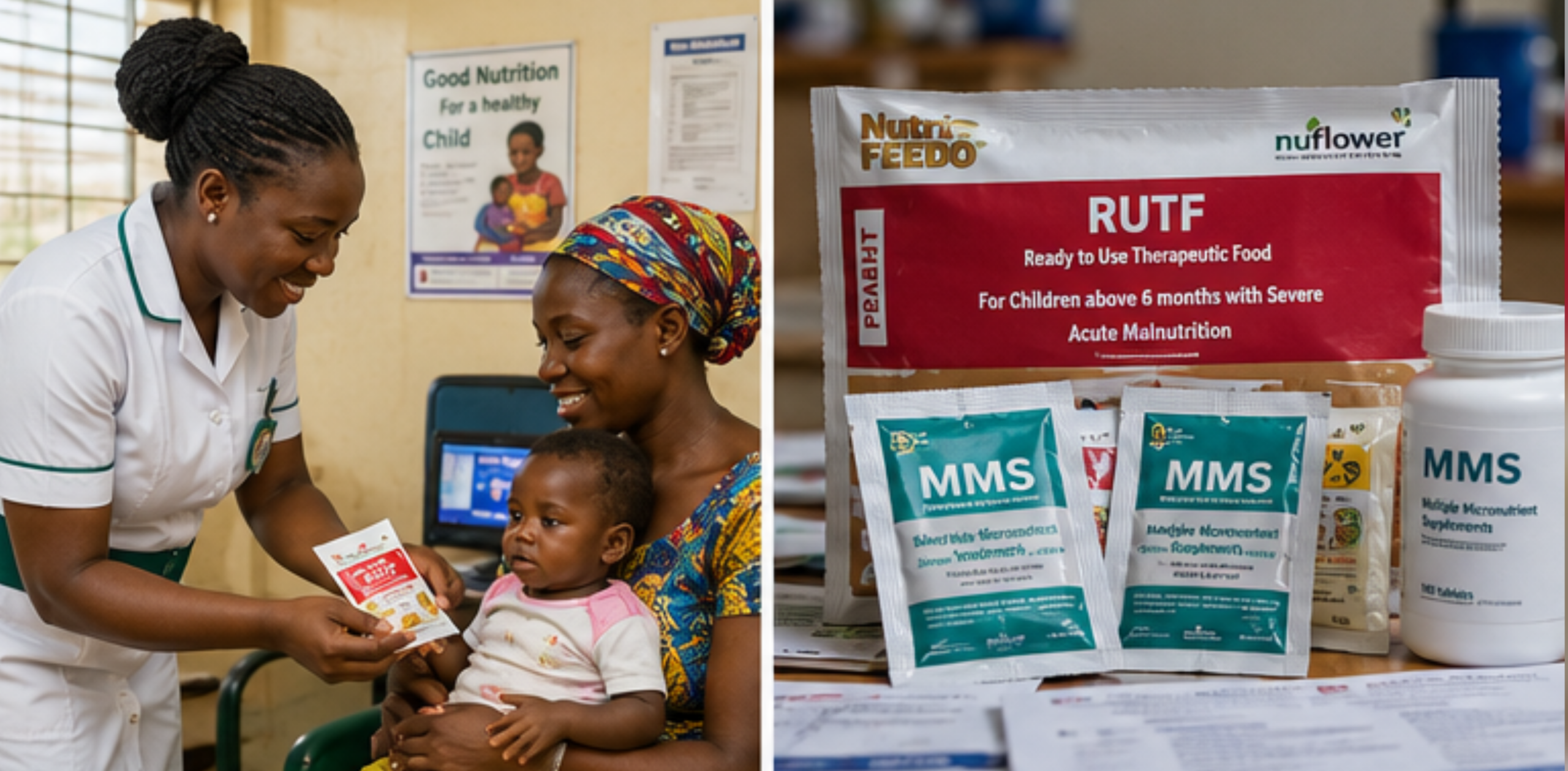
A presentation by Abdul-Fatahi Adam, Senior Analyst for Child Health at the Clinton Health Access Initiative (CHAI), focused on “Closing the Access Gap: RUTF, MMS and NHIS Inclusion.”
He highlighted the importance of integrating Ready-to-Use Therapeutic Food (RUTF) and Multiple Micronutrient Supplements (MMS) into the National Health Insurance Scheme (NHIS) to improve access to life-saving nutrition interventions, particularly for women and children.
According to him, expanding nutrition coverage under the NHIS would support Ghana’s efforts toward achieving Universal Health Coverage while helping to address malnutrition and related health complications.
The webinar explored issues surrounding non-communicable diseases (NCDs), the implementation of the Free Primary Healthcare policy, and Ghana’s commitments under the Nutrition for Growth (N4G) agenda.
Participants noted that investing in nutrition contributes directly to the attainment of SDG 2 on Zero Hunger, SDG 3 on Good Health and Well-being, and SDG 10 on Reduced Inequalities.
The discussions also highlighted concerns over financing gaps, supply chain constraints and limited access to nutrition commodities in some communities.
Stakeholders stressed the need for stronger domestic financing and sustained political commitment to ensure equitable access to nutrition interventions across the country.
Participants further called for enhanced collaboration among government institutions, civil society organisations and development partners and especially the media to strengthen advocacy and accountability in the nutrition sector.
They maintained that improving nutrition outcomes would not only reduce preventable illnesses and child mortality but also contribute to national productivity, education and poverty reduction.
The organisers said the webinar formed part of ongoing advocacy efforts aimed at influencing policy reforms and promoting inclusive access to essential nutrition services in Ghana.