By Jones Anlimah
A Registered Dietitian, Rev. Prince Baidoo, has called for stronger investment in Ghana’s Free Primary Healthcare policy to help address the growing burden of non-communicable diseases (NCDs) and accelerate progress toward the Sustainable Development Goals (SDGs).
Speaking during a webinar on “From Policy to Access: Strengthening Nutrition and Nutrition Financing in Ghana,” Rev. Baidoo said rising cases of hypertension, diabetes, cardiovascular diseases and cancers continue to place pressure on Ghana’s healthcare system and household incomes.
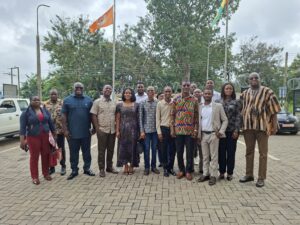
The webinar, organised by Women Media and Change (WOMEC), the Eleanor Crook Foundation and Nourish Ghana, brought together health professionals, policymakers, civil society organisations and development partners to discuss healthcare financing and nutrition access in Ghana.
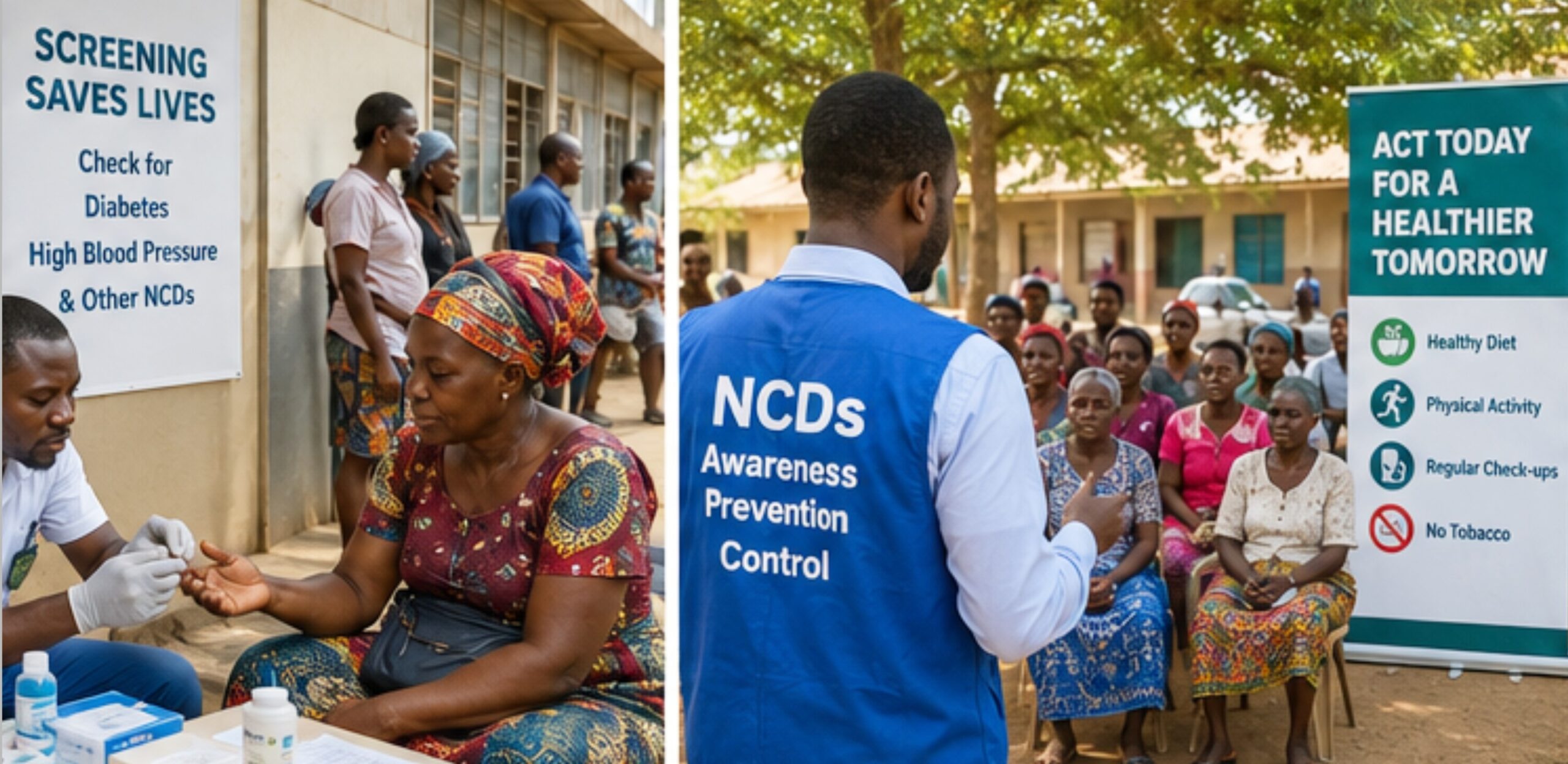
Presenting on the topic “NCDs and the Free Primary Healthcare,” Rev. Baidoo noted that non-communicable diseases account for a significant proportion of deaths in Ghana and are increasingly affecting both urban and rural populations.
According to him, the country is facing a “double burden” of communicable diseases and NCDs, making preventive healthcare and early detection more critical than ever.
He identified unhealthy diets, physical inactivity, tobacco use, alcohol consumption, obesity and sedentary lifestyles as some of the major risk factors contributing to the rise in NCDs.
Rev. Baidoo explained that strengthening primary healthcare systems could improve early screening, diagnosis and management of conditions such as hypertension and diabetes at the community level.
He further stressed that nutrition education and counselling remain essential tools in reducing the prevalence of NCD risk factors and promoting healthier lifestyles among the population.
The dietitian said Ghana’s Free Primary Healthcare policy presents an important opportunity to improve equitable access to preventive healthcare services, reduce out-of-pocket expenditure and lower preventable deaths linked to chronic diseases.
Rev. Baidoo also underscored the need for sustained public education, stronger community-based healthcare delivery and increased investment in preventive health services.
He maintained that prioritising nutrition and preventive healthcare would not only improve public health outcomes but also strengthen national productivity and socio-economic development.
The webinar formed part of broader advocacy efforts aimed at influencing policy reforms and promoting inclusive healthcare and nutrition financing in Ghana.
The advocacy aligns with SDG 3, which seeks to ensure healthy lives and promote well-being for all, as well as SDG 1 on ending poverty and SDG 10 on reducing inequalities, recognising that non-communicable diseases disproportionately affect vulnerable and low-income populations.