By Jones Anlimah
Stakeholders at a regional sensitisation programme on Ghana’s Affirmative Action (Gender Equity) Act, 2024 (Act 1121), have called for urgent and deliberate measures to translate the law into tangible opportunities for women and girls in leadership and decision-making.
They said the passage of the Act should mark the beginning of a new phase in Ghana’s efforts to address longstanding gender disparities, particularly in appointments, leadership and access to opportunities.
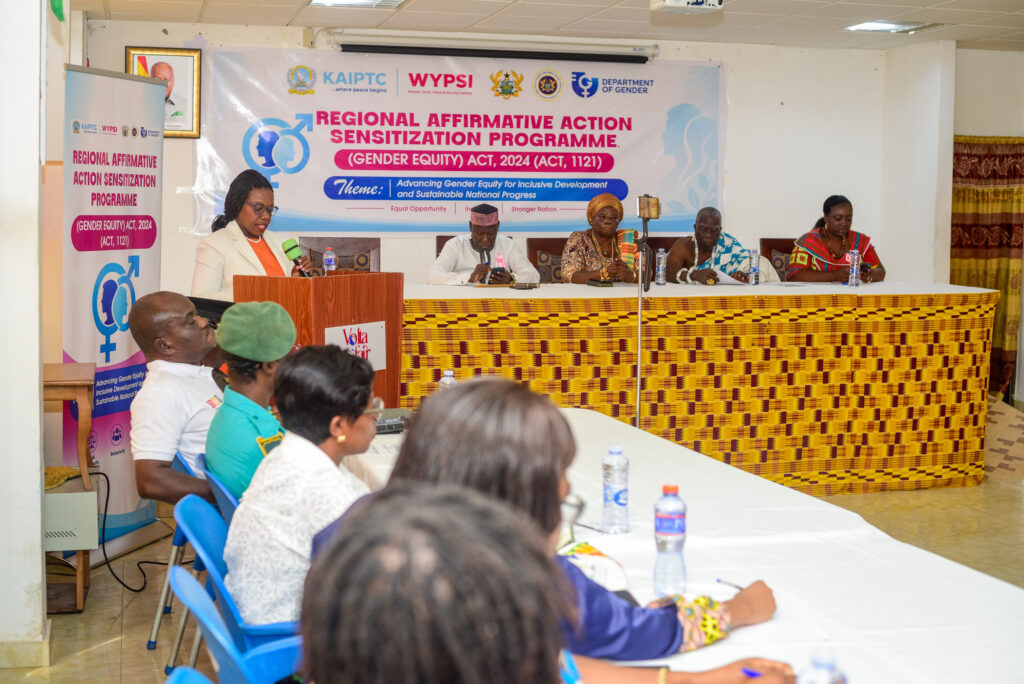
The call was made at a stakeholder engagement on the implementation of the Act held in Ho in the Volta Region, organised with support from the Kofi Annan International Peacekeeping Training Centre (KAIPTC).
Speaking on behalf of the Commandant of the KAIPTC, the Centre’s Head of Legal, Nana Efua Hackman, described the legislation as a “historic milestone” in Ghana’s journey towards equality, inclusion and sustainable development.
She said the Act, enacted on September 11, 2024, was not merely a legal framework but “a declaration of our collective commitment to ensuring that women and men have equal opportunities to contribute to and benefit from the social, economic, political and developmental progress of our country.”
Nana Efua Hackman said despite the significant contributions women had made to Ghana’s development, disparities persisted in representation, leadership, decision-making and access to opportunities.
She noted that the Act had a broad application covering business entities, institutions and bodies in both the public and private sectors.
“This demonstrates that gender equity is not the responsibility of government alone. It is a shared responsibility that requires commitment from every sector of society,” she said.
She urged institutions to develop and implement gender equity policies and plans, stressing that such policies should not become documents that merely “sit on shelves”.
Rather, she said, they should serve as practical roadmaps for identifying barriers to gender equity, setting measurable targets and implementing strategies to promote inclusive participation.
Nana Efua Hackman said gender equity should be viewed as a strategic investment capable of strengthening institutions, improving workplace culture and enhancing organisational performance.
She also called for leadership commitment to challenge discriminatory practices and create environments in which both men and women could contribute meaningfully.
The Volta Regional Director of the Department of Gender, Ministry of Gender, Children and Social Protection, Mrs Thywill Kpe, said the country had moved beyond years of advocacy for the passage of the legislation and had now entered the implementation phase.
“The Act has been passed. This is the first time we’ve called together key stakeholders in such a sensitisation forum,” she said.
Mrs Kpe emphasised that the private sector also had an important role to play, noting that private employers were required to promote gender equity through their institutional policies, human resource management and corporate governance.
She urged participating institutions not to leave the engagement with only knowledge of the law but to develop concrete action plans.
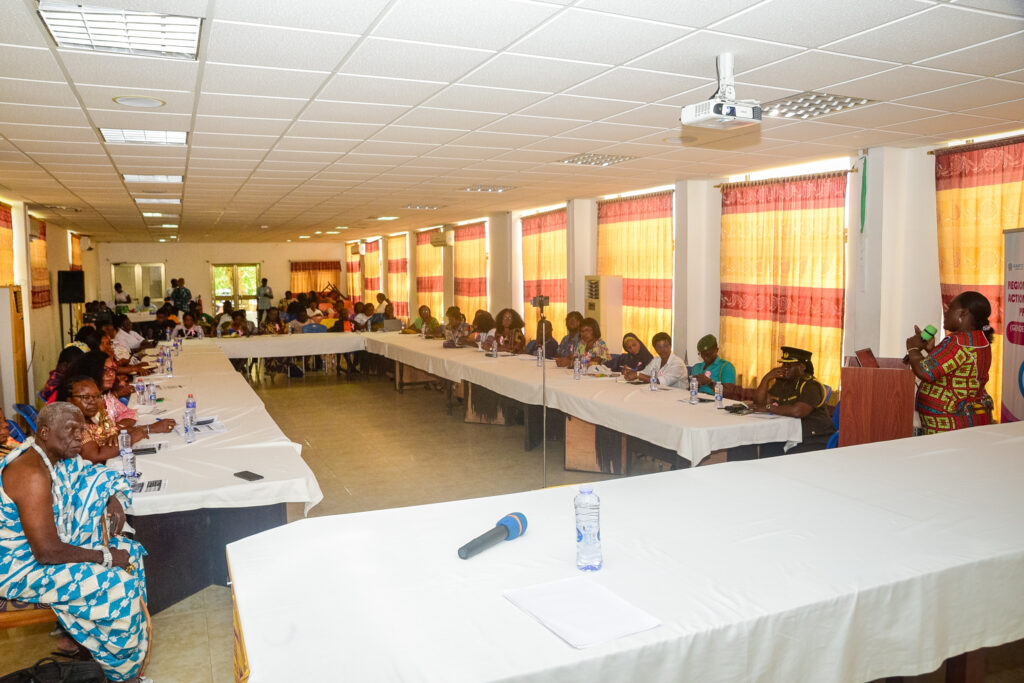
“Every institution present here must leave with an action plan in our head, what we will do next,” she said.
Mrs Kpe assured stakeholders that the Department of Gender in the Volta Region would continue to provide technical leadership and work with institutions to support implementation of the Act.
She said the Department had already begun collaborations with civil society organisations, Metropolitan, Municipal and District Assemblies and the Volta Regional Coordinating Council, including training for human resource officers of the various MMDAs.
Participants at the programme also welcomed the legislation but raised concerns about implementation and the need to ensure that the law produced measurable results.
Ms Ivy Bedi, a Project Officer at Global Action for Women Empowerment, said attention must move beyond the passage of the law to its practical application.
“It’s no longer a bill, it’s now a law. But how are we implementing it? Is it benefiting us? Are there challenges?” she asked.
She particularly raised concerns about women’s representation in government appointments and urged stakeholders to recognise that qualified women were capable of occupying decision-making positions.
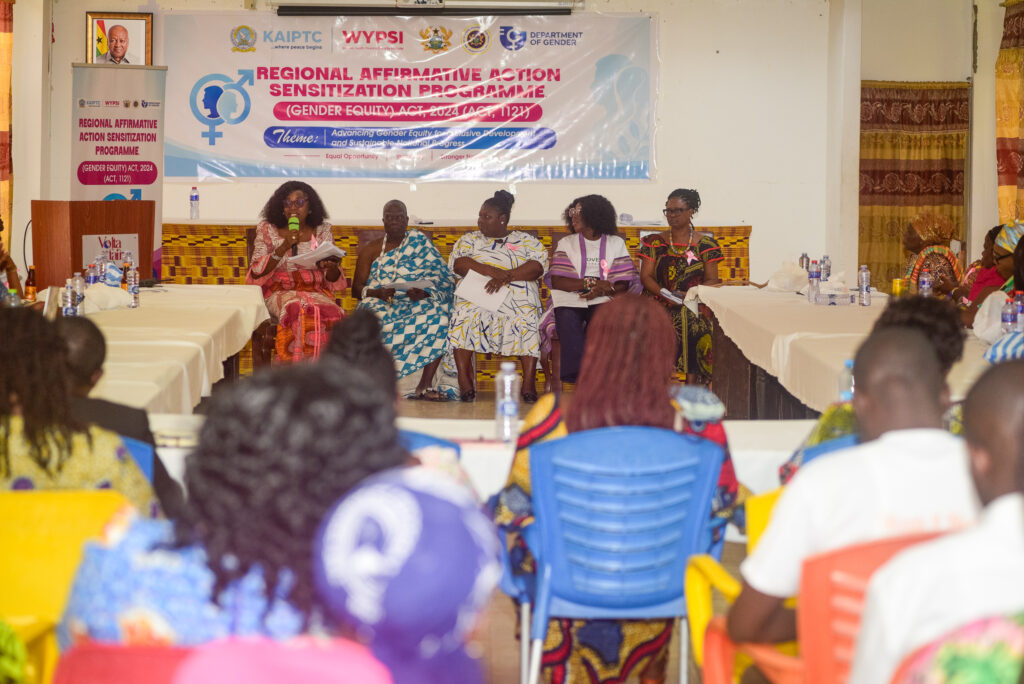
Ms Bedi also cautioned against using pregnancy, childbirth and other biological realities as reasons to discriminate against women in employment and leadership opportunities.
She said discriminatory practices undermined women’s participation and called for greater efforts to create equal opportunities.
The Regional Environmental Health Officer for the Volta Region, Stella Kumedzro, said the engagement had broadened her understanding of the legislation.
She said greater representation of women in decision-making could help institutions better respond to issues affecting women, citing the design and management of markets as an example.
According to her, women’s participation in decision-making could ensure that facilities such as adequate washrooms, childcare spaces and appropriate waste-disposal systems were considered in the planning of public markets.
Ms Kumedzro pledged to mainstream gender considerations into her work and planning as a regional environmental health official.
The Volta Regional Director of the National Youth Authority, mr. Yao Semorde, also described affirmative action as necessary to ensure that young women were not denied opportunities to realise their potential.
He said girls needed the same opportunities as boys to develop and achieve their aspirations.
For his part, Mr Joshua Ayaye of Youth Alliance for Sustainability called on the government to lead by example in meeting gender representation targets.
He expressed concern about what he described as inadequate representation of women in Cabinet and urged the government and other public institutions to increase women’s participation in decision-making.
Participants also called for sustained public education on the Act and adequate resources to support its implementation across communities.
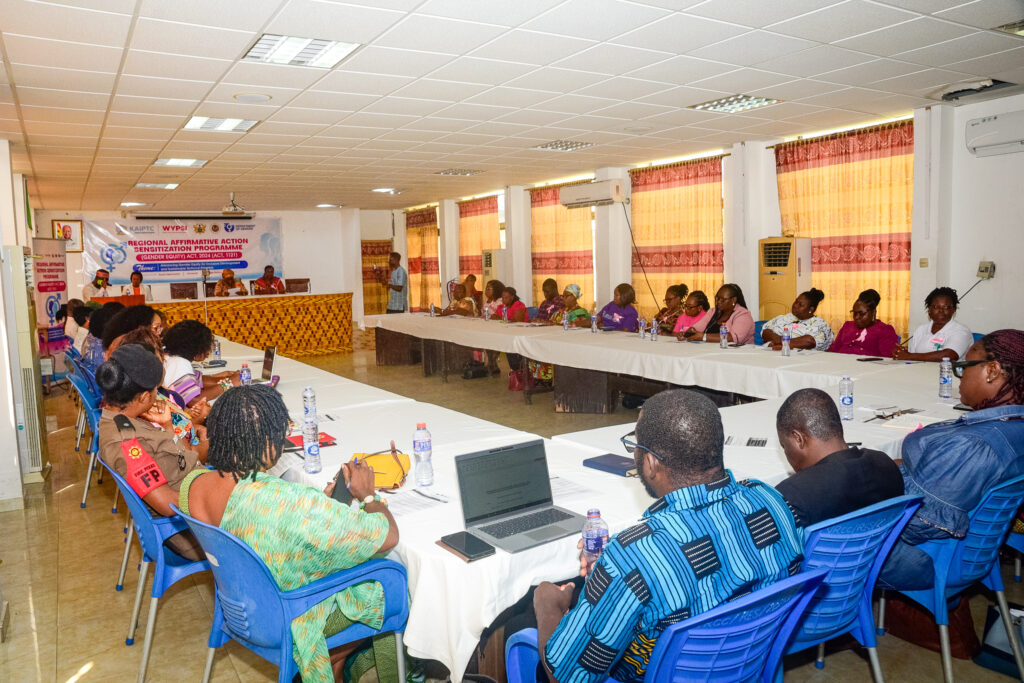
Princess Lovia Tetteh, Executive Director of Love Aid Foundation, said the sensitisation programme was particularly important because many citizens were yet to fully understand the new law.
She urged duty bearers to provide sufficient financing for continued education and awareness creation so that ordinary Ghanaians could understand and make use of the law.
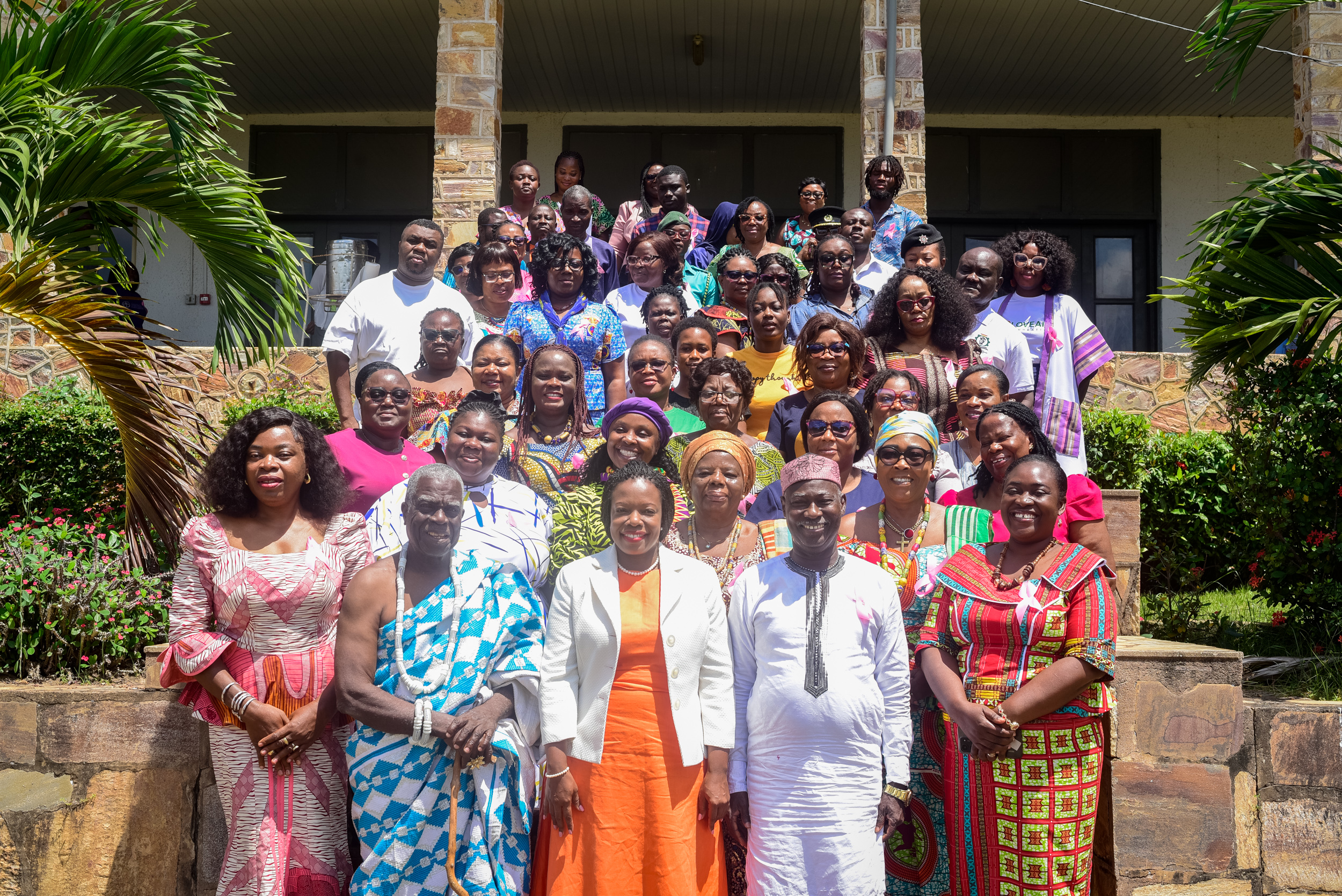
The engagement brought together representatives of government institutions, civil society organisations, youth groups and other stakeholders to deepen understanding of Act 1121 and promote coordinated action towards its implementation.
The stakeholders agreed that achieving the objectives of the legislation would require sustained collaboration among government, private institutions, civil society, traditional authorities, communities, men and women.
They stressed that gender equity should ultimately be reflected not only in institutional policies but also in everyday practices and national development outcomes.