By Jones Anlimah
Stakeholders in the fisheries sector have called for stronger collaboration, improved fish handling practices and sustainable fishing methods to safeguard Ghana’s fisheries resources and strengthen the livelihoods of fishing communities.
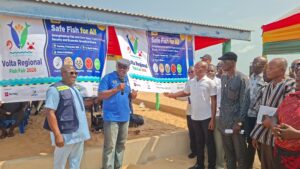
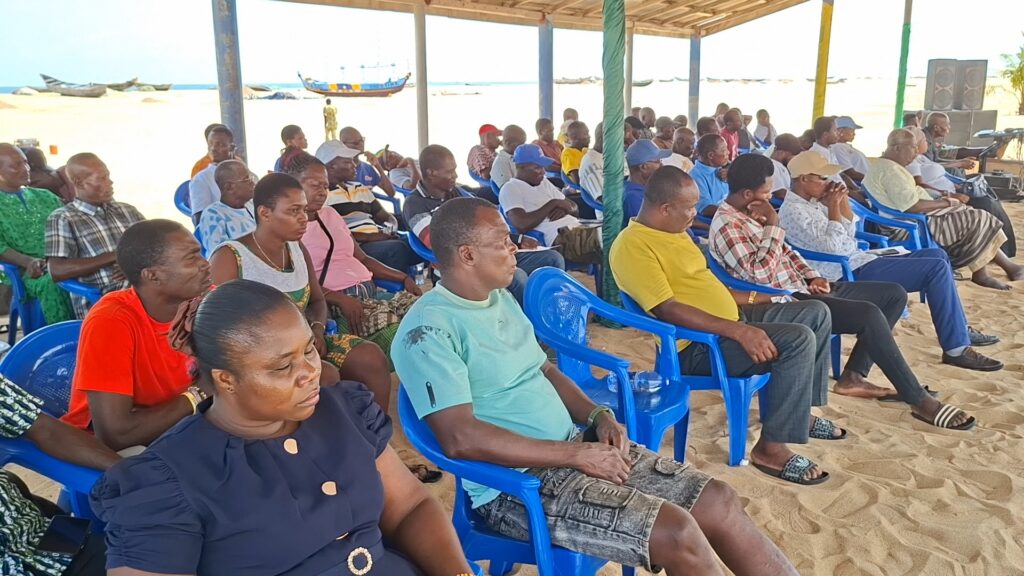
The call was made during the Volta Regional celebration of the 2026 World Fisheries Day held at Jilakope in the Keta Municipality of the Volta Region, under the theme, “Blue Transformation in Action: Safe Fish, Resilient Communities and Inclusive Value Chains for Ghana’s Food Security.”
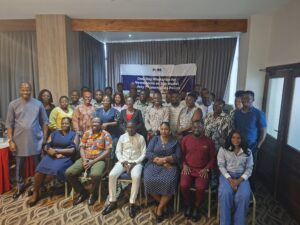
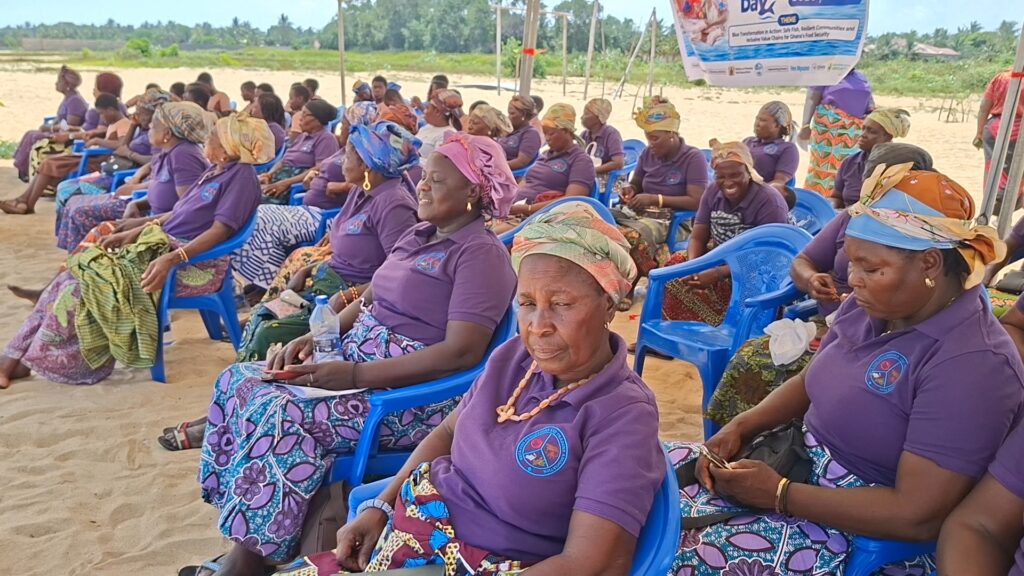
The celebration brought together fishers, fish processors, traditional authorities, schoolchildren, government institutions and civil society organisations to deliberate on ways of improving the fisheries sector and ensuring the availability of safe and quality fish for consumers.
The Volta Regional Director of the Fisheries Commission, William Agbenu, said the theme highlighted three critical pillars necessary for transforming the fisheries industry: safe fish, resilient fishing communities and inclusive value chains.
He explained that ensuring fish safety required attention at every stage of the production process, from harvesting and handling to processing, packaging and distribution.
Mr Agbenu stressed the importance of proper fish handling practices, including the use of ice boxes to preserve fish after capture and drying fish on raised racks instead of directly on the ground.
He noted that the Fisheries Commission, in collaboration with other stakeholders, was intensifying public education and introducing the Safe Fish Certification Scheme to ensure that fishers and processors adhered to acceptable standards.
According to him, the concept of blue transformation in action was about moving beyond discussions in offices and conference rooms to practical interventions within fishing communities.
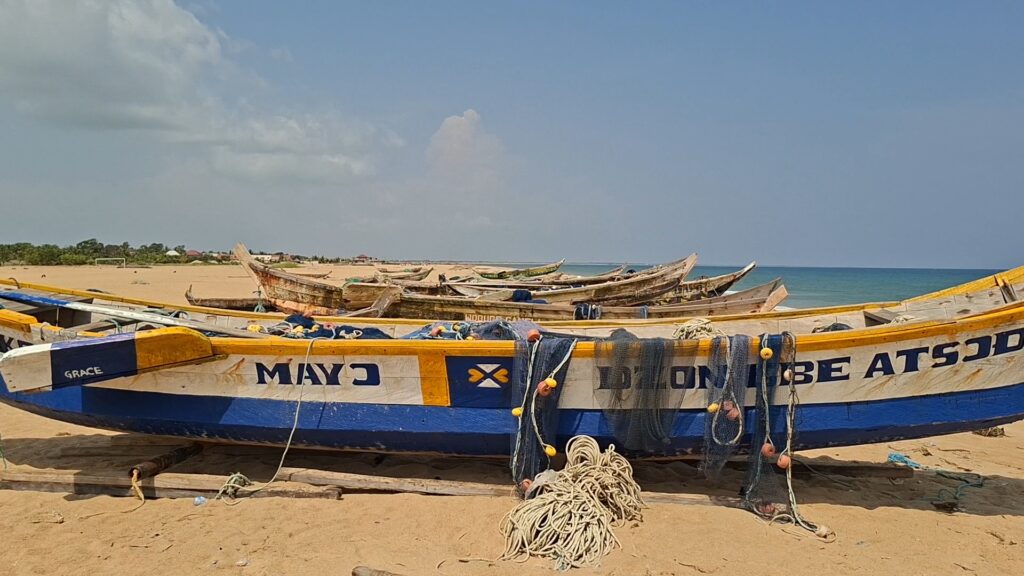
He also called on fishing communities to support the fight against Illegal, Unreported and Unregulated (IUU) fishing, warning that although destructive fishing practices might offer immediate financial gains, they threatened the long-term sustainability of the industry.
Mr Agbenu encouraged fishers to preserve traditional sustainable fishing practices, including observing closed seasons, fishing in groups and respecting established community fishing norms.
He further urged fishers to prioritise safety at sea through the use of life jackets and other safety measures, including the gradual introduction of tracking devices to improve emergency response and rescue operations.
On the role of education in the fisheries sector, he encouraged children, particularly those from fishing households, to pursue higher education and acquire scientific knowledge to improve traditional fish processing businesses.
He said young people should not abandon their education because of the immediate income generated from fishing and fish processing, but should acquire the necessary skills to modernise the industry.
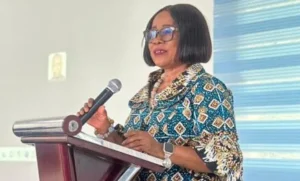
The Head of Programmes at CEWEFIA, Nicholas Smith, said improving the fisheries sector required collective responsibility involving both formal institutions and informal actors across the fisheries value chain.
He explained that fishers, fishmongers, processors, fish labourers, net sellers and other industry players needed to work closely with regulatory institutions to ensure sustainable fisheries management.
Mr Smith emphasised the importance of hygienic fish processing, noting that fish processors must maintain clean processing facilities and adopt appropriate handling, smoking and packaging practices to protect consumers.
He said processors needed to meet the requirements of regulatory institutions, including the Fisheries Commission, Ghana Standards Authority, Food and Drugs Authority and Environmental Health and Sanitation Department, to obtain the necessary certification.
“To be able to produce safe fish, we need to have a licence and certificate that will be issued to them by the regulatory bodies,” he said.
Mr Smith encouraged women in the fishing industry to embrace value addition by exploring alternative products such as fish powder, shrimp powder, fish nuggets and fish balls to increase their income and expand their businesses.
He also urged fish processors to organise themselves into cooperatives and join Village Savings and Loans Associations to mobilise resources and access financial support for business development.
On environmental sustainability, he called for the protection and restoration of mangrove forests, describing them as important breeding and nursery grounds for fish.
He cautioned against indiscriminate cutting of mangroves and urged coastal communities to take responsibility for replanting and protecting the vegetation to support fish reproduction and sustain marine resources.
Mr Smith further encouraged the youth to explore opportunities within the fisheries value chain, including fish packaging and marketing, outboard motor repairs, canoe building and other related services, instead of losing hope in the sector because of declining catches and illegal fishing practices.
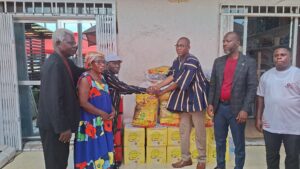
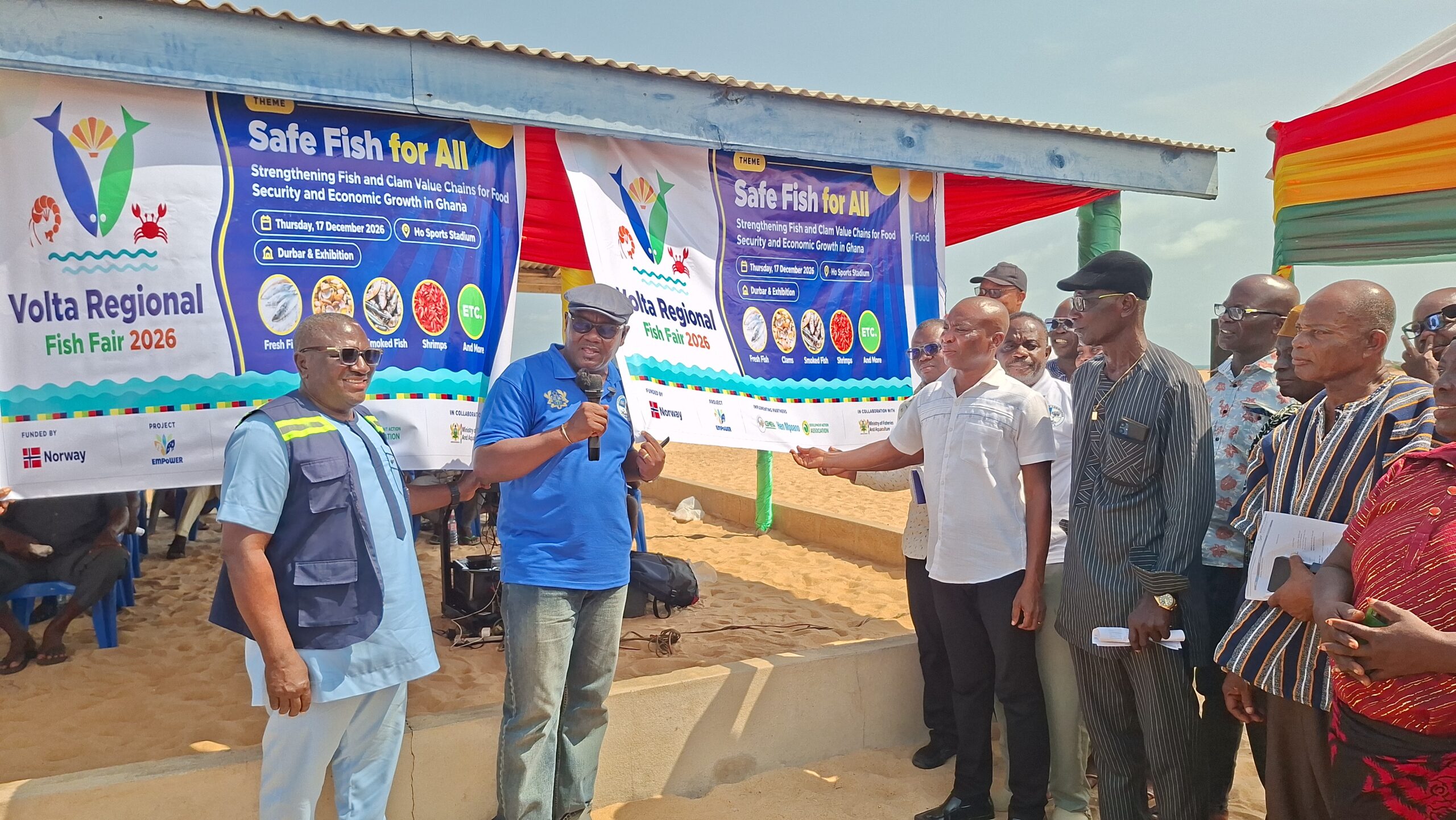
The celebration also served as an opportunity to officially launch the 2026 Volta Regional Fish Fair, scheduled for December 17, 2026, in Ho.
The event is expected to provide a platform for certified fish processors and other industry players to showcase their products, promote value addition and create market opportunities for locally processed fish and other aquatic products.
Activities will include exhibitions and competitions among senior high school students, with products such as smoked herrings, clams and oysters expected to feature prominently.
The Volta Regional Fish Fair is being sponsored by the Empower Project, funded by the Norwegian Embassy, in collaboration with other stakeholders.
The organisers expressed optimism that the fair would increase public appreciation for locally processed fish products and encourage consumers to patronise safe and properly packaged fish.
The 2026 World Fisheries Day celebration underscored the need for a coordinated approach to fisheries management, with stakeholders emphasising that protecting fish stocks, improving processing standards, empowering women and creating opportunities for the youth are essential to securing Ghana’s food security and the future of coastal communities.