
By Jones Anlimah
The Allied Health Professions Council (AHPC) has closed six health facilities in Ho following a nationwide monitoring and inspection exercise aimed at ensuring compliance with professional and patient-safety standards.
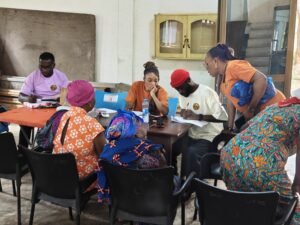
The exercise, which is currently being undertaken across the country, saw the Council inspect a number of diagnostic and allied health facilities in the Volta Regional capital, Ho.
Facilities closed during the exercise include Best Lab, Professional Lab Services, Elysa, Grace Diagnostic, The Eagles Lancet and Imaging Centre, and RD Access Laboratories.
Other facilities visited by the inspection team included Sight Savers, Pacesetters Medical Laboratory Services and Bluesky Medical Centre, Fountain Medical Services, among others.
The Registrar of the Allied Health Professions Council, Professor Issahaku Shirazu, said the exercise was being undertaken as part of the Council’s mandate to protect the public and ensure that allied health services are delivered by qualified professionals.
He said the inspections had uncovered significant regulatory and professional challenges at some of the facilities.
“Our core duty is to ensure public safety and we’ve started since January monitoring and inspecting facilities,” Professor Shirazu said.
One of the major concerns identified by the Council was the absence of Standard Operating Procedures (SOPs) at several facilities.
According to the Registrar, operating without clearly defined procedures creates risks for patients because the Council cannot adequately determine how services are being delivered or how equipment is being used.
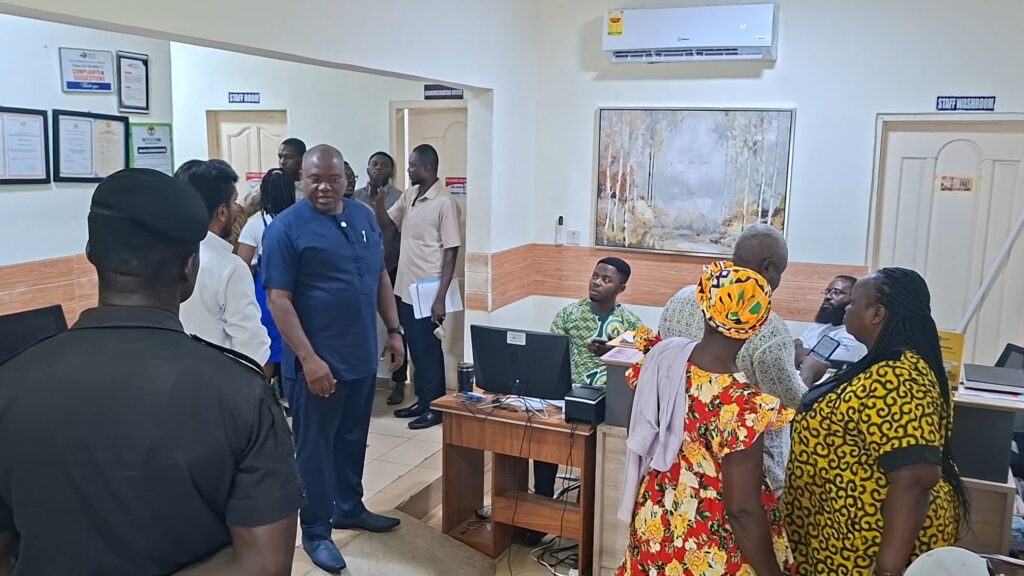
“We call them SOPs and it’s a serious offence to practise without laid down rules. What you believe will not augur well for patient safety and the outcome we cannot guarantee,” he said.
The Council also raised concerns about the employment of unqualified persons to perform specialised allied health duties.
Professor Shirazu said some facilities were engaging professionals outside their areas of training, describing such practice as unacceptable.
“If you are a healthcare professional and you are to be, say, a nurse and you go and practise as a radiographer, you are a quack,” he stated.
He particularly cited instances involving dental facilities where persons without the requisite qualifications or licences were reportedly being used to provide allied health services.
The Registrar urged owners and managers of healthcare facilities to engage properly trained and licensed professionals, noting that qualified personnel were available on the Council’s register.
“We have a lot of people on the register looking for jobs, especially dental healthcare professionals, dental therapists, dental hygienists, dental technicians. They are available,” he said.
The Council further identified concerns regarding the management of patient information, with Professor Shirazu saying facilities are required to employ properly registered health information and records management professionals.
He warned that employing persons to manage patient data without registration with the Council constituted an offence.
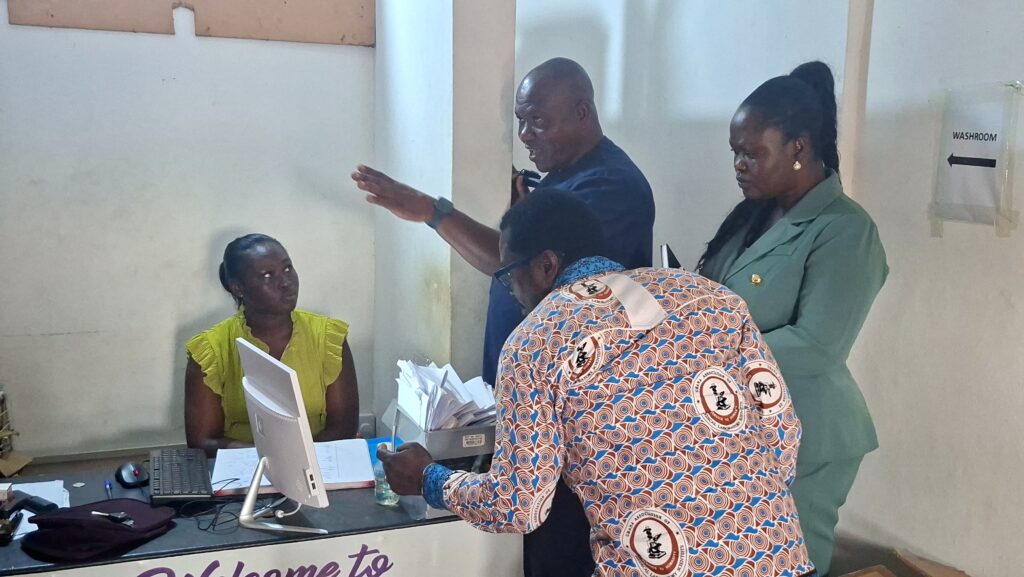
Professor Shirazu also urged allied health professionals to maintain their professional recognition and comply with requirements for renewal of their professional identification numbers.
Closed facilities to reopen after corrective action The Registrar explained that closure of a facility is not necessarily permanent, particularly where it is a first-time offence.
“As a first-time offender, we will engage you and point to you exactly what needs to be done and when those things are done, we will ensure that you will reopen them,” he said.
He, however, cautioned that facilities that fail to address identified breaches would not be allowed to resume operations.
“But if you don’t come and get those issues addressed, we will not open the facility for you. We think that the professional cannot practise in that facility and that is final,” Professor Shirazu warned.
He advised persons intending to establish diagnostic centres, eye clinics, dental facilities and other allied health facilities to consult the Allied Health Professions Council before commencing operations.
He said early engagement with the Council would help prospective operators understand the regulatory requirements and avoid falling foul of the law.
Professor Shirazu stressed that proper diagnosis was fundamental to effective treatment and that regulatory compliance was ultimately about protecting patients.
“Before you can be treated, your condition must be diagnosed properly and if you are not properly diagnosed, you can’t be guaranteed the treatment. This is for patient safety,” he said.
The nationwide monitoring and inspection exercise is expected to continue in other parts of the Volta Region and across the country as the Council intensifies efforts to ensure that allied health facilities operate within the required professional and regulatory standards.