By Jones Anlimah
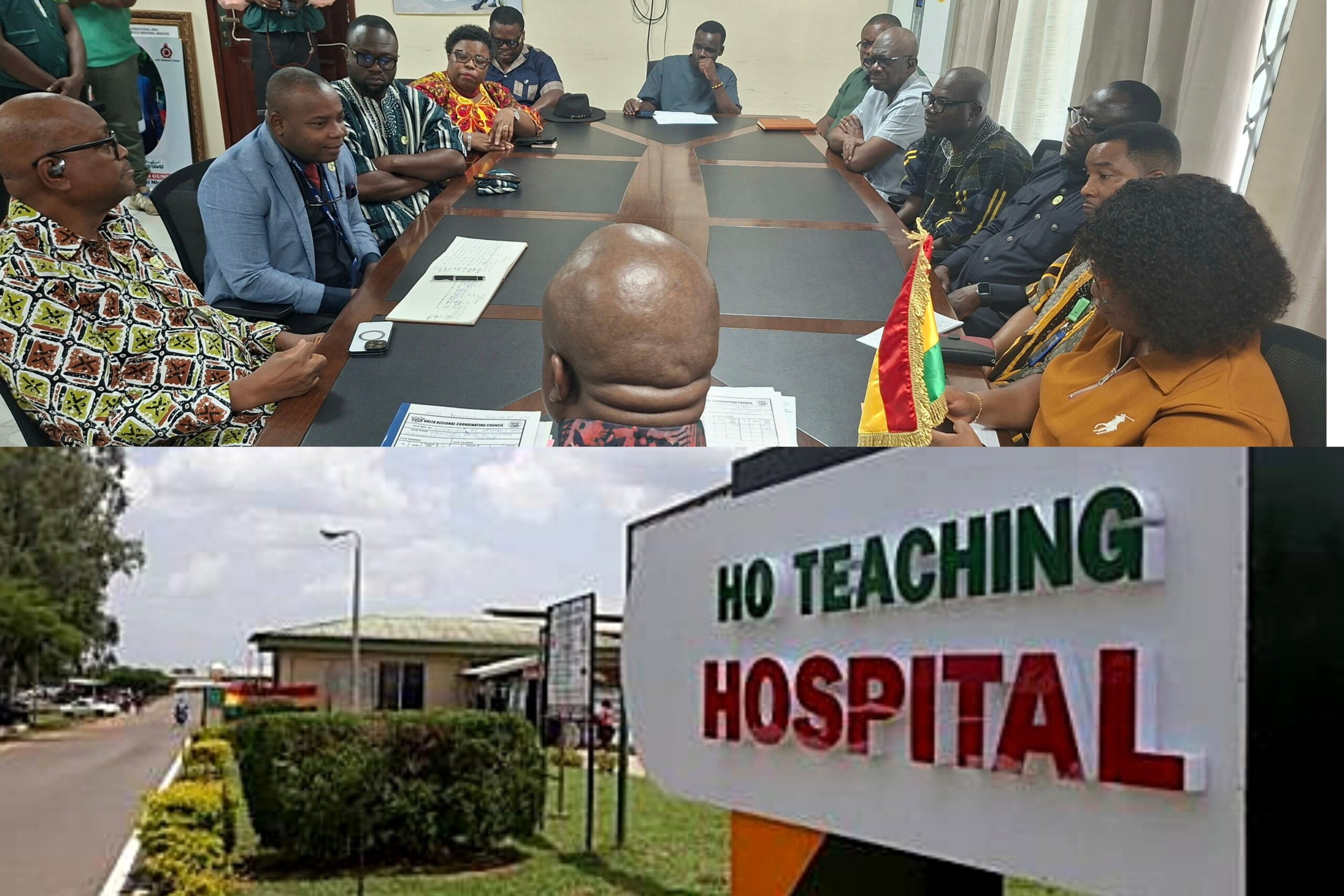
Efforts to transform the Ho Teaching Hospital in the Volta Region into a modern tertiary healthcare facility have received a fresh boost, with the Volta Regional Coordinating Council led by the Regional Minister James Gunu, pledging support for key infrastructure projects, including a cardiac catheterisation centre and improved water supply.
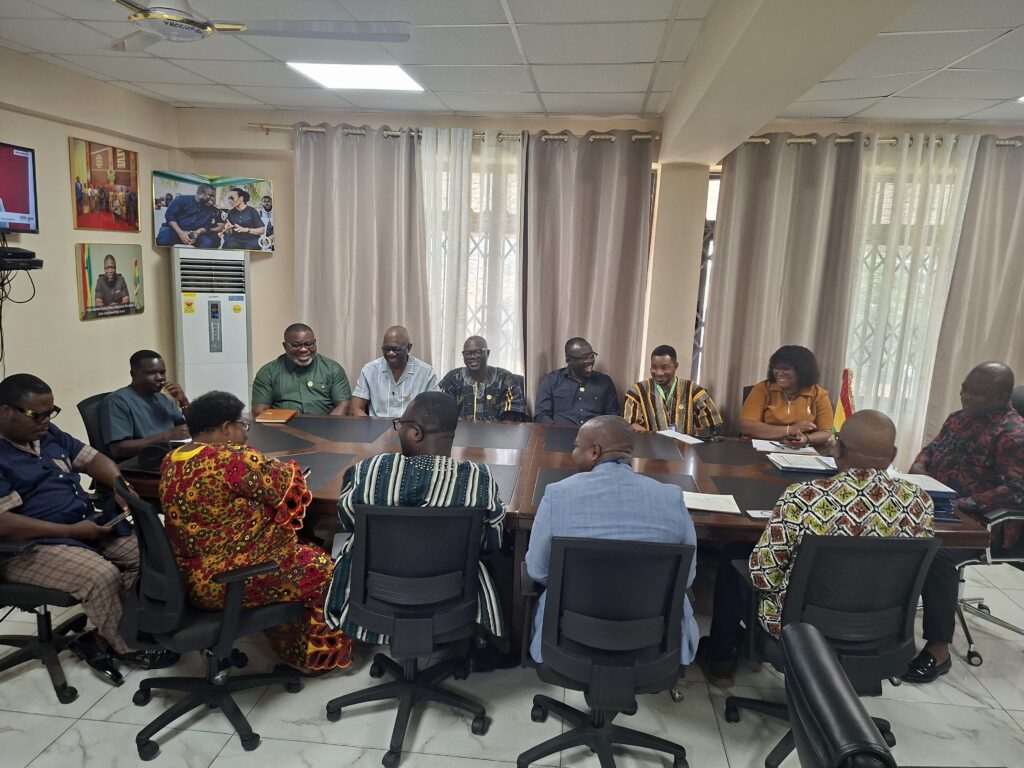
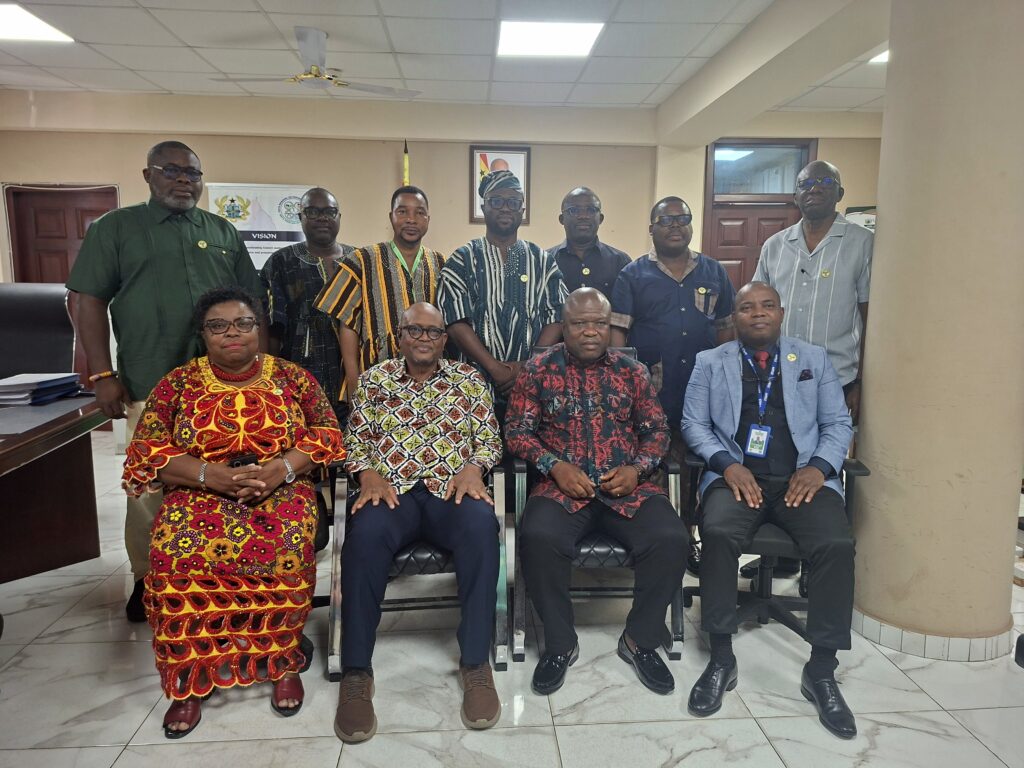
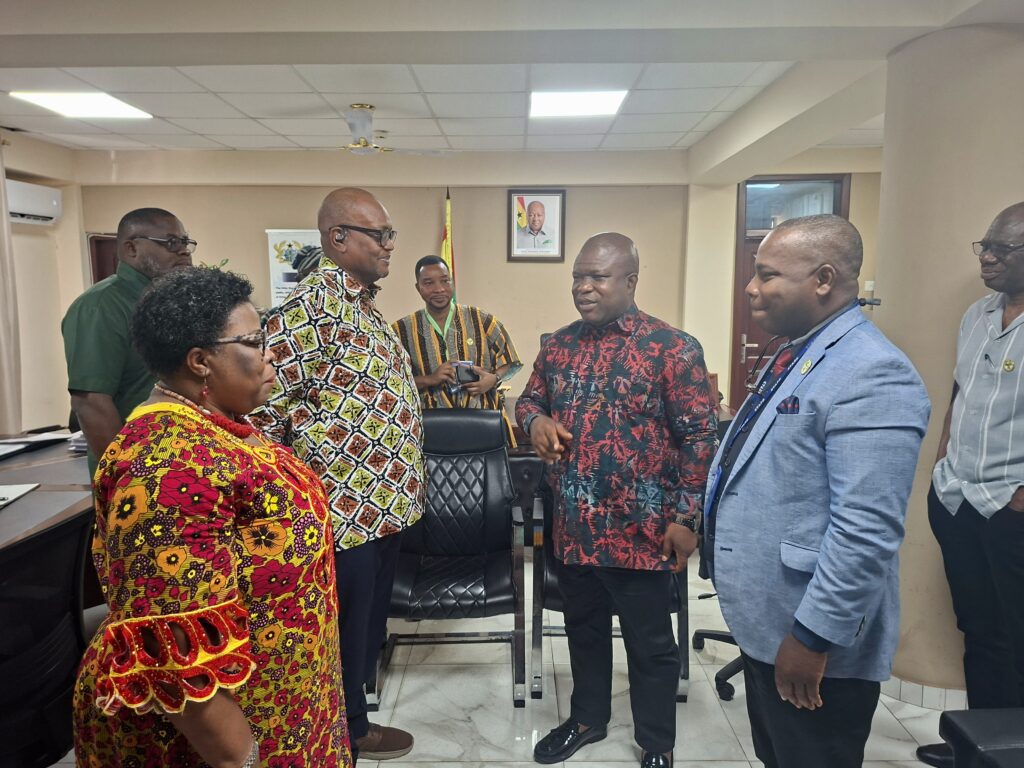
The commitment followed a meeting between the leadership of the Hospital and the Volta Regional Minister, James Gunu, to discuss the hospital’s development priorities.
The Board Chairman of the hospital, Dr. Delanyo Yao Tsidi Dovlo, said the proposed expansion under the Korea Exim Bank facility remains a major priority for the Board.
He appealed to the Regional Minister and other stakeholders to intensify advocacy for the project to ensure work begins.
“We feel that it still needs to get a lot of push. We’ll continue to make our efforts, but we want to employ you and your team and the network of leadership of the region to continue to advocate for it, the Minister of Finance and the presidency,” Dr. Dovlo said.
He said the infrastructure expansion was critical to moving the hospital to the standard expected of a major tertiary facility.
Cardiac centre takes shape
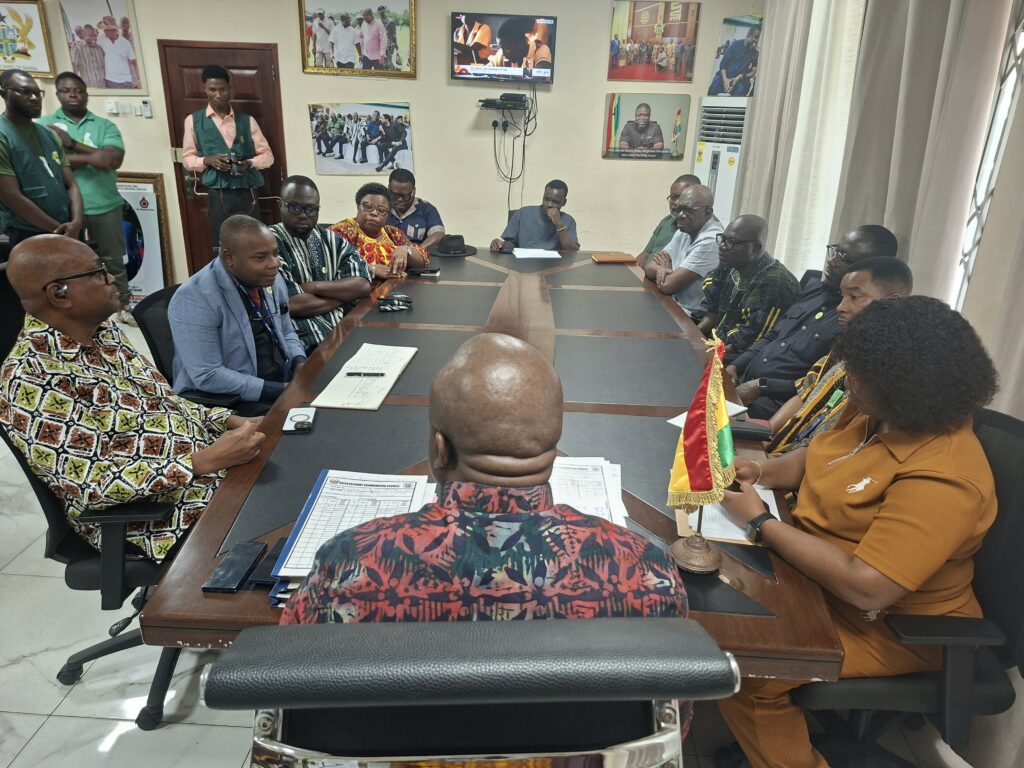
The planned cardiac catheterisation centre was another major issue discussed at the meeting. Dr. Dovlo said the facility would significantly improve the management of cardiovascular conditions in the region.
“In fact, that would be a major change to how we treat heart disease and so on in the region,” he said.
Mr. Gunu disclosed that preparations for the project were already underway following an appeal launched on behalf of the President.
He said contractors in the region had begun contributing construction materials, with some already providing 10 trips of sand, while others had pledged concrete blocks and other materials.
The Minister said an implementation committee would soon be constituted, comprising representatives from the hospital, the Regional Coordinating Council and the Ghana Highways Authority.
A site has been identified and the design is being prepared, he said, with the next step being to secure a contractor for construction.
Water supply remains a concern
Management of the hospital also raised concerns about inadequate water supply, which it says affects healthcare delivery and infection prevention.
The Chief Executive Officer of the Ho Teaching Hospital, Dr. (Med) Hintermann Mbroh, said the facility depends largely on the Ghana Water Company for its supply.
“We rely on Ghana Water for water and when there’s interruption of service, it tends to affect the quality of care, infection prevention practices in the hospital,” he said.
Dr. Mbroh said the hospital’s existing reservoir was inadequate, holding only about a quarter of the water required to operate the facility for a week.
Mr. Gunu said steps were being taken to address the problem and disclosed that businessman Ibrahim Mahama had expressed willingness to support the construction of a water facility for the hospital.
An assessment would be conducted to determine the most appropriate solution, he added.
Hospital targets medical tourism
Dr. Mbroh said the hospital was also positioning itself to take advantage of the country’s medical tourism agenda.
The facility has introduced a 24-hour outpatient service at the Family Health Centre and is expanding its services in phases to include medical, surgical, child health and maternity care.
He said the hospital had already begun medical tourism and wellness initiatives and was working towards operating fully as a medical tourism centre.
Improving patient experience
The Board is also seeking improvements in the movement of patients within the hospital.
Dr. Dovlo said the internal road network needed attention and proposed a modest transport system to assist patients, particularly the elderly, who have difficulty walking between different parts of the facility.
“I’m told one in four of our patients are elderly people who can walk some of the distances from the gate to the family health centre, for example. And so we want to provide a form of transport. Nothing extraordinary,” he said.
Minister cautions against inaccurate reports
Mr. Gunu also urged media practitioners and social media users to verify information before publishing reports about the hospital.
He expressed concern about inaccurate social media reports which, he said, could undermine public confidence in the facility and efforts to promote medical tourism.
He cited a video shared during a recent flood which he said falsely suggested that the entire hospital had been flooded.
“You can even verify from the authorities. If you receive any report, contact them and get their side of the story before you go to press or you go and post these things,” Mr. Gunu said.
He assured the hospital leadership of the Regional Coordinating Council’s continued collaboration to improve the facility’s infrastructure and services.
“The facility belongs to all of us,” he said, describing the Ho Teaching Hospital as the region’s only tertiary healthcare facility and stressing the need for collective efforts to improve its standard.