By Jones Anlimah
Metropolitan, Municipal and District Chief Executives (MMDCEs) in the Volta and Oti regions have been urged to strengthen local security coordination and improve their understanding of the Security and Intelligence Agencies Act, 2026 (Act 1168), to help prevent security threats from escalating into major emergencies.
The call was made at a stakeholder engagement and training programme under Ghana’s National Security Reform Programme in Ho, aimed at strengthening the capacity of regional and local authorities to implement the law and respond effectively to security concerns within their jurisdictions.
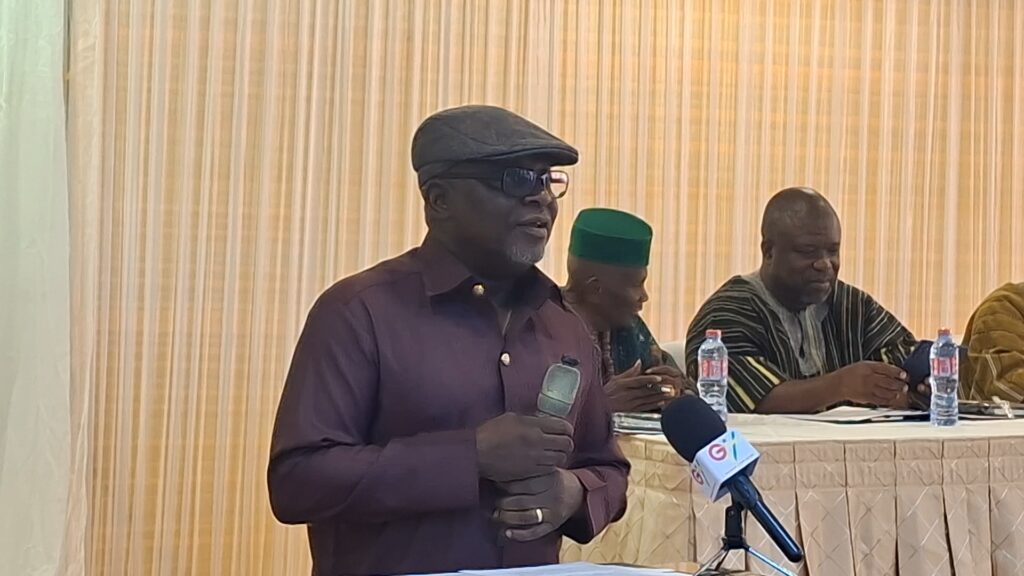
Major General William Ayamdo, Deputy National Security Coordinator, who delivered remarks on behalf of the National Security Coordinator, said the effectiveness of the law would depend largely on how well it was understood and implemented at the regional and district levels.
“The difference between local incident and a national emergency is almost never the size of the threat. It is the speed and the quality of the first response,” he said.
He noted that security challenges could begin with seemingly minor incidents, including boundary disputes, community disagreements and marketplace conflicts, but could escalate if not addressed promptly.
Major General Ayamdo said the Regional Security Councils (RESECs), Metropolitan, Municipal and District Security Councils (MUSECs and DISECs), and the security and intelligence agencies must understand their respective responsibilities and work together to ensure effective responses to emerging threats.
He challenged participants to establish clear procedures for responding to emergencies, including identifying whom to contact, who should make decisions and how quickly action should be taken.
“If any of us cannot answer these four questions from memory, then Act 1168 has not yet reached our district, whatever the Gazette may say,” he stressed.
He said the security of Ghana could not be managed from Accra alone but must be built in the regions, districts and communities through effective coordination and timely action.
Border security and local threats
The Volta Regional Minister, Mr James Gunu, said the strategic location of the Volta and Oti regions made the training particularly important to national peace and security.
He identified terrorism, organised crime, cross-border activities, maritime insecurity and election security among the issues requiring attention from local authorities and security institutions.
Mr Gunu said Act 1168 provided an updated legal framework for the mandates of the security and intelligence agencies while strengthening coordination within Ghana’s national security architecture.
He said the law also reinforced the role of decentralised security structures, particularly RESECs, MUSECs and DISECs, in early warning, intelligence coordination and emergency response.
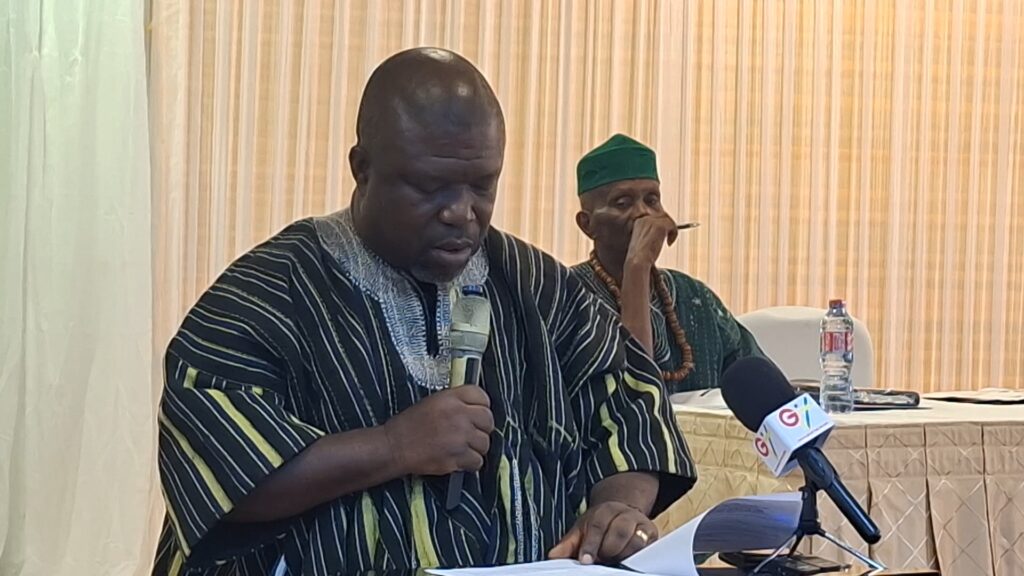
The Regional Minister urged participants to pay close attention to the training and ensure that they could apply the provisions of the law in their respective regions, municipalities and districts.
He further called on local authorities to help explain the law to their communities to promote public understanding of the work of the security and intelligence services.
According to him, better public understanding of the law would help build confidence in the security institutions and demonstrate their commitment to professionalism, accountability, coordination and respect for human rights.
Security linked to national development
The Deputy Minister for the Interior, Mr Ebenezer Okletey Terlabi, said security was fundamental to the well-being of citizens and the country’s development.
He explained that effective security should enable farmers to work without fear, traders to conduct business safely and children to attend school in peace.
“The security of our country is ultimately about the security and well-being of our people,” he said.
Mr Terlabi noted that security responsibilities extended beyond the security agencies, emphasising the important role of regional ministers, MMDCEs and other public officials in creating conditions for effective security operations.
He urged local authorities to promote dialogue, engage traditional and religious leaders, and work with youth groups and other community stakeholders to prevent disputes from degenerating into violence.
He also drew attention to the distinctive geographical, social and economic circumstances of the Volta and Oti regions, particularly their borders and the movement of people and goods between communities in Ghana and neighbouring Togo.
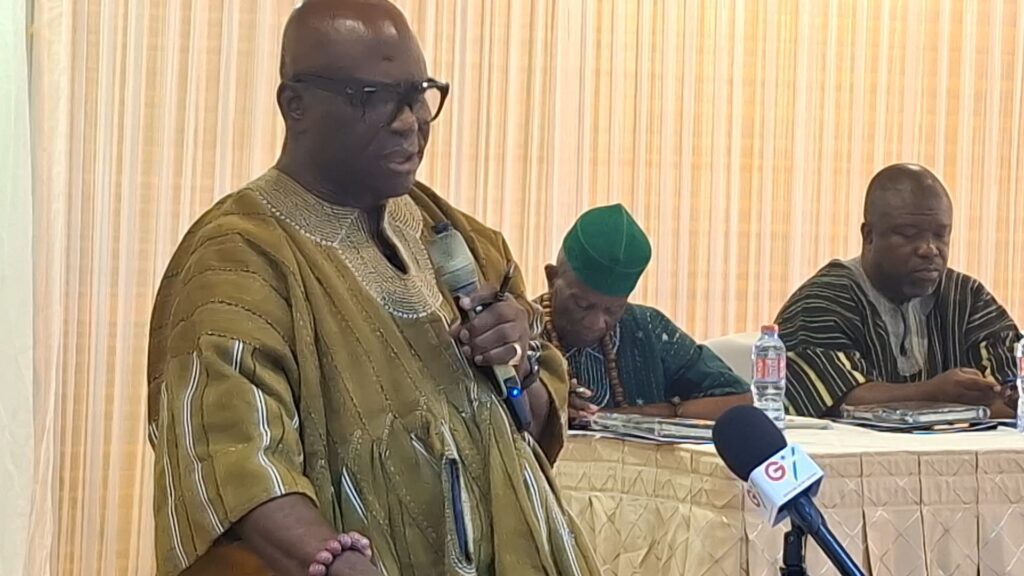
He said these circumstances required a balanced approach that protected the country’s borders while maintaining the longstanding social and economic relationships among border communities.
Mr Terlabi cautioned against cross-border criminal activities, including trafficking, smuggling and organised crime, while stressing the need to address local conflicts arising from land disputes, chieftaincy disagreements and communal tensions.
He said public confidence in security institutions depended on professionalism, fairness, discipline and respect for the law.
“Our objective, therefore, must not simply be to respond to security incidents. Our objective must be to create an environment in which our people can live productive and dignified lives,” he said.
From training to practical action
Mr Terlabi encouraged participants to use the engagement to identify weaknesses in existing security arrangements and develop practical measures to improve cooperation among institutions.
He said the success of the programme would ultimately be determined by how participants applied the knowledge gained in their respective areas of responsibility.
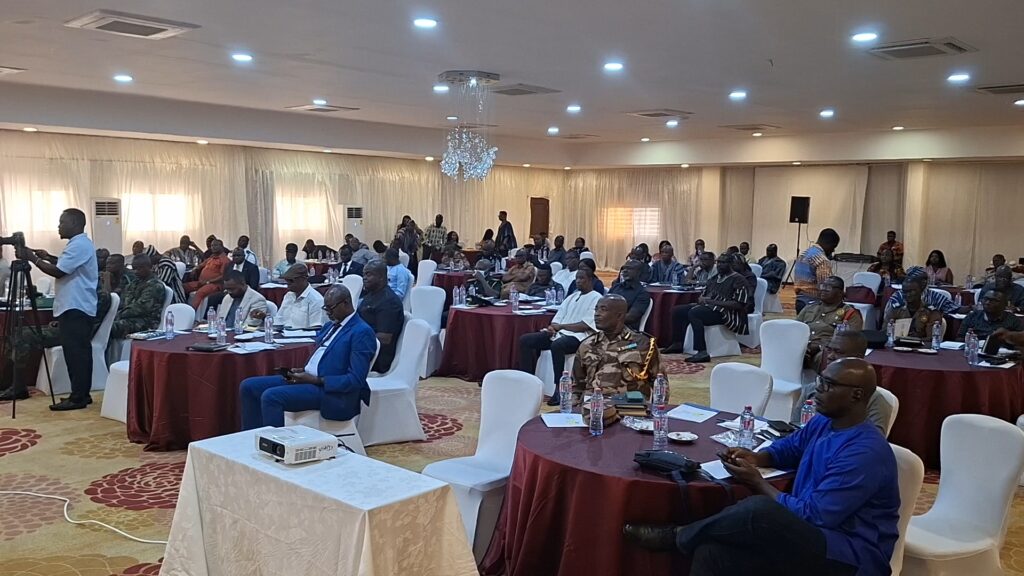
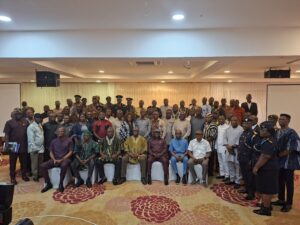
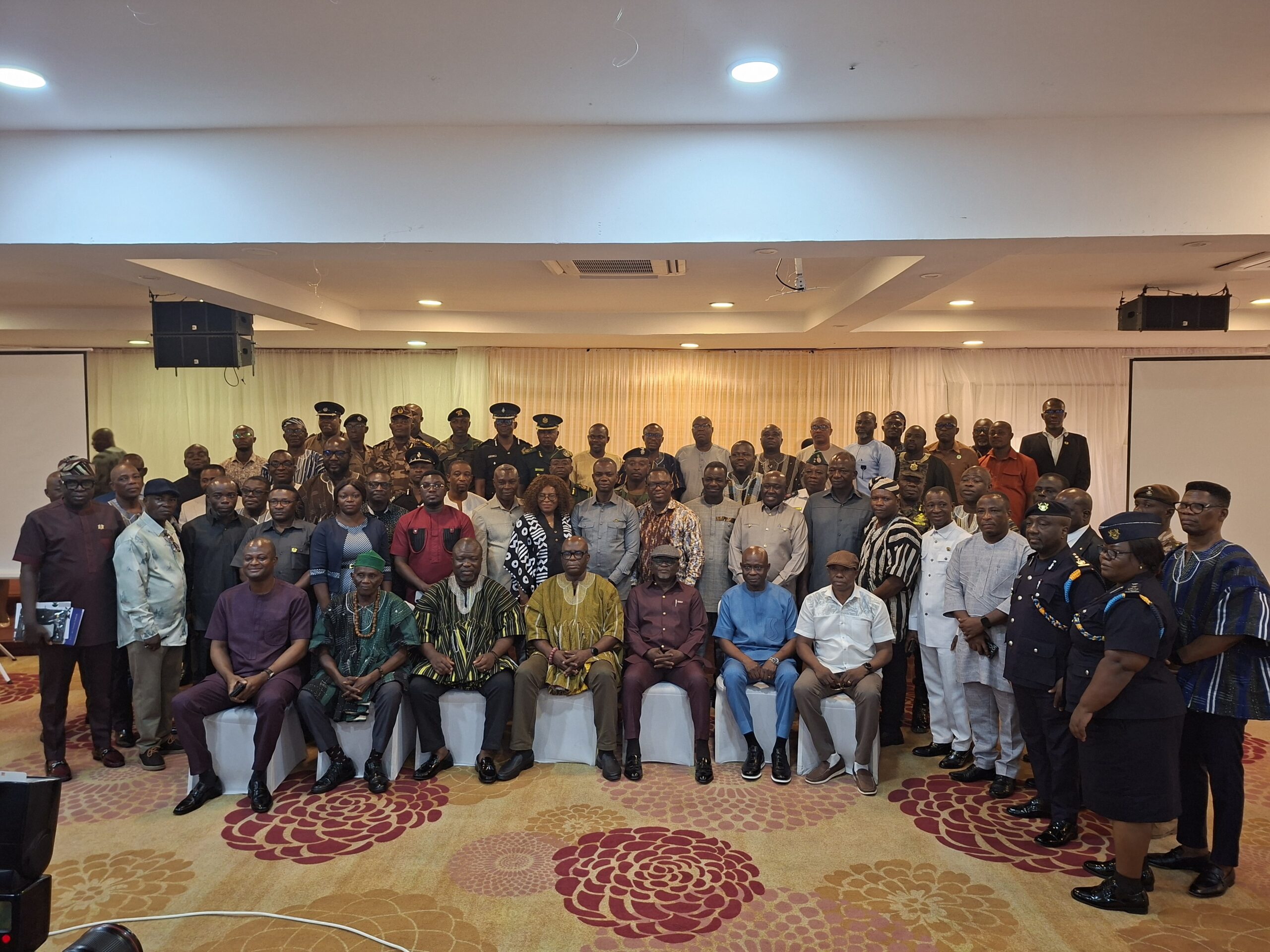
The engagement brought together regional and local authorities, representatives of the security and intelligence agencies, resource persons and other stakeholders from the Volta and Oti regions to discuss the implementation of Act 1168 and the responsibilities of the various security structures.
The discussions were intended to strengthen institutional coordination, improve early-warning and emergency-response mechanisms, and enhance the capacity of local authorities to contribute to peace and stability.
The programme also underscored the importance of collaboration between public officials, security institutions and community leaders in addressing emerging threats and maintaining public confidence in Ghana’s security architecture.