By Patience Esi Tamakloe
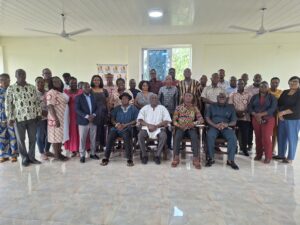
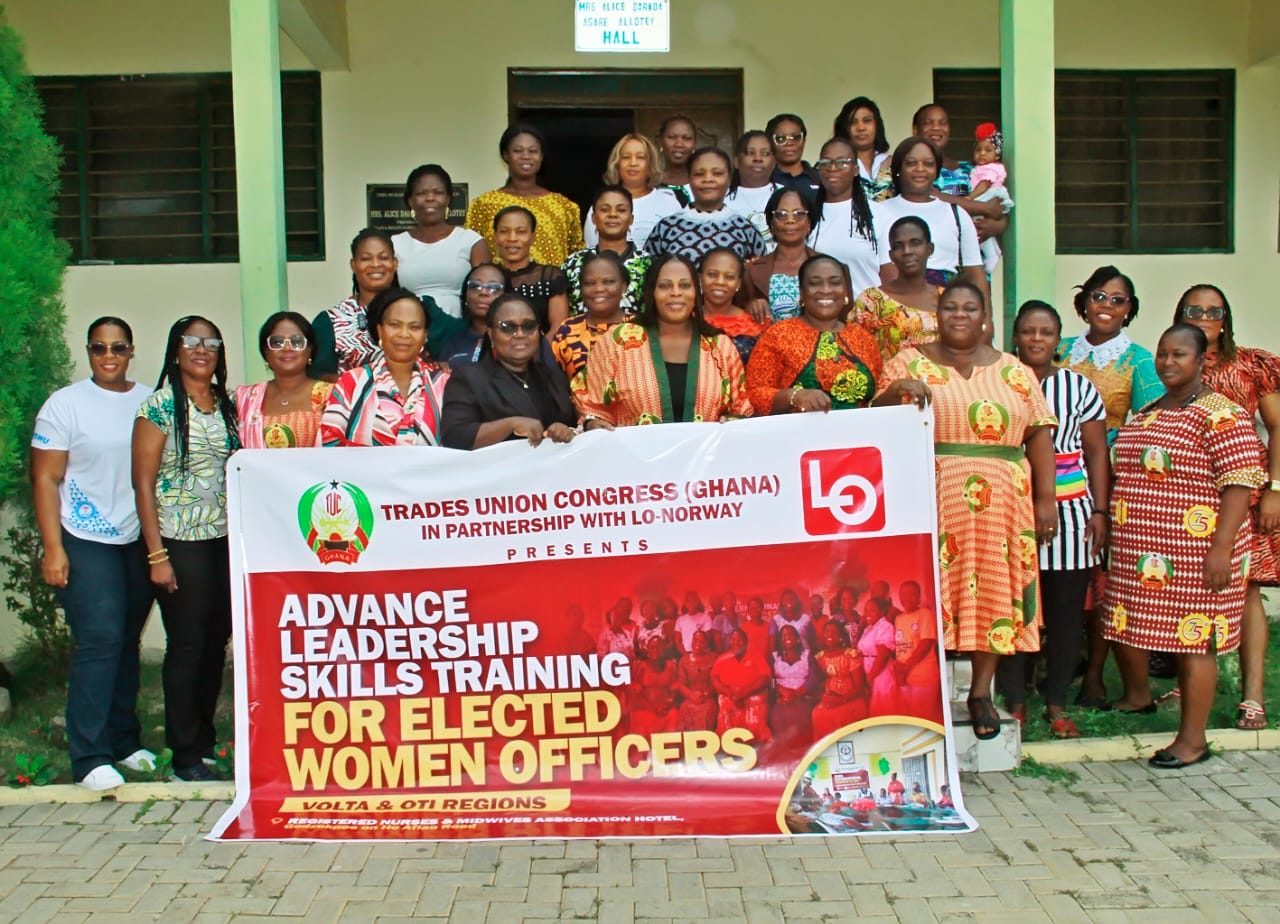
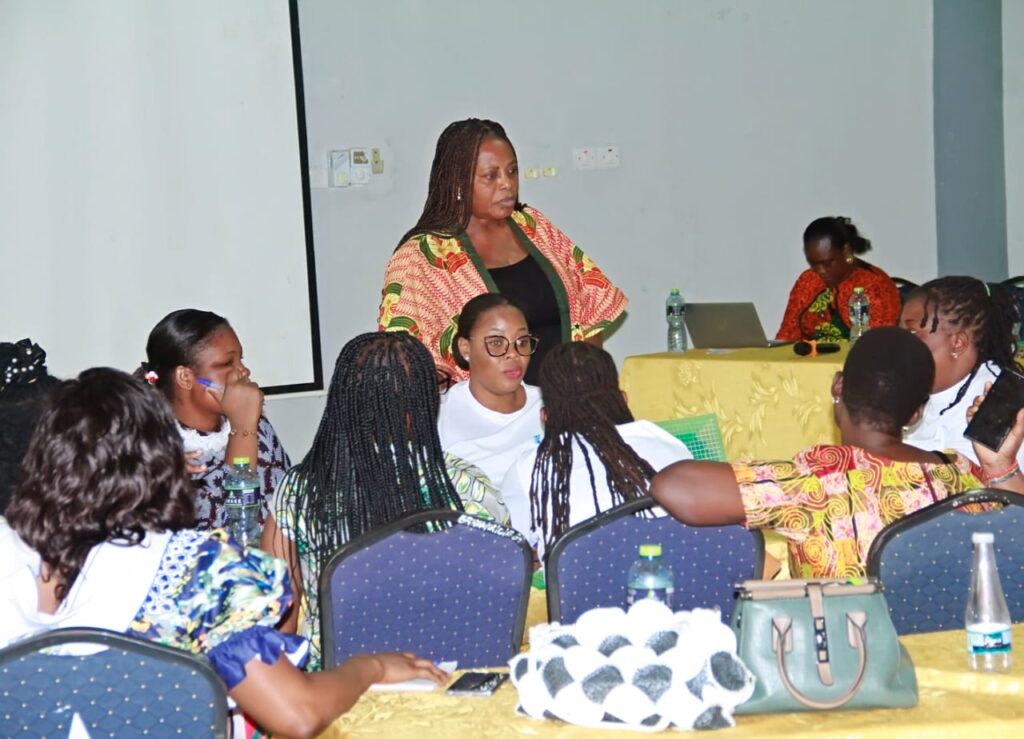
Thirty-three elected women officers from trade unions in the Volta and Oti regions have undergone a two-day advanced leadership skills training aimed at enhancing their leadership, advocacy, communication, and digital engagement skills.
The training, organised by the Trades Union Congress (TUC) Ghana in collaboration with LO-Norway, took place at Ho in the Volta region.
It formed part of efforts to strengthen the capacity of women leaders within the labour movement and increase their participation in decision-making processes at the workplace and within trade unions.
The Volta Regional Secretary of TUC Ghana, Ms Edith Abla Amenuvor, said the programme was designed to equip women officers with the knowledge, confidence, and practical skills required to effectively perform their leadership roles.
She stressed the importance of continuous capacity building and mentorship in enhancing women’s participation in leadership and governance structures.
“Women have an important role to play in shaping the future of our unions. Through training and mentorship, we can build their confidence and equip them with the skills required to take up leadership responsibilities and contribute meaningfully to the growth of the labour movement,” she said.
The National Gender Desk Officer of TUC Ghana, Sister Harriet Botchway, said that despite the increasing participation of women in the labour force and trade unions, women remained underrepresented in leadership positions.
She noted that the training sought to address challenges such as gender bias, inadequate mentorship opportunities, and limited access to leadership development programs.
“Women have the competence, courage, and leadership abilities needed to excel in leadership positions. We must continue to challenge barriers and encourage more women to step forward and take up responsibilities that have traditionally been perceived as reserved for men,” she stated.
Madam Botchway urged participants to apply the knowledge and skills acquired during the training to support other women and contribute to the advancement of gender equality within their unions and communities.
One of the facilitators, Mrs Thywil Eyra Kpe, Volta Regional Director of the Department of Gender, encouraged participants to overcome self-doubt and pursue leadership opportunities with confidence.
She said women possessed the capabilities needed to excel in leadership and should not allow societal stereotypes to limit their aspirations.
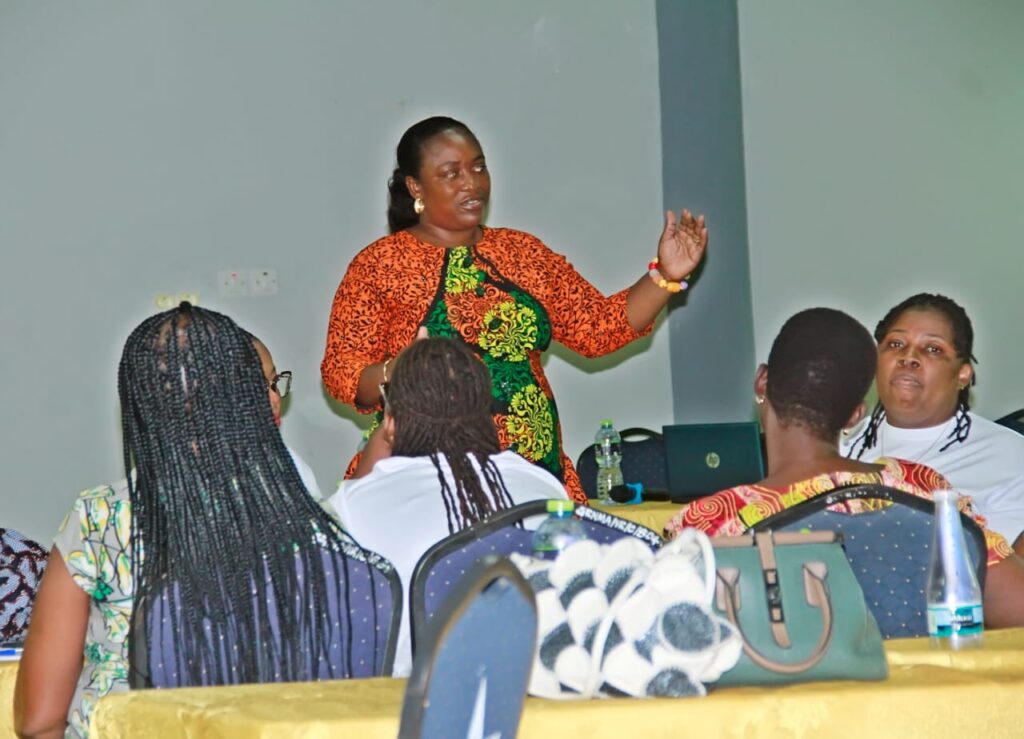
“Leadership is not determined by gender but by competence, confidence, and commitment. Women must be encouraged to challenge stereotypes, build their confidence, and take advantage of opportunities available to them,” she said.
Mrs Kpe facilitated sessions on gender and leadership dynamics, confidence building, negotiation, advocacy, networking, and mentorship.
Another facilitator, Dr Dela Ayaakor Enuameh, the Ag. Dean of School of Arts and Social Sciences of E.P. University College, Ho, highlighted the growing importance of strategic communication and digital engagement in modern leadership.
She encouraged participants to leverage both traditional and digital media platforms to advocate for workers’ rights and promote issues affecting women.
“The ability to communicate effectively, engage audiences, and responsibly use digital platforms has become an essential leadership skill. Women leaders must leverage these tools to tell their stories, advocate for their causes, and influence decision-making,” he stated.
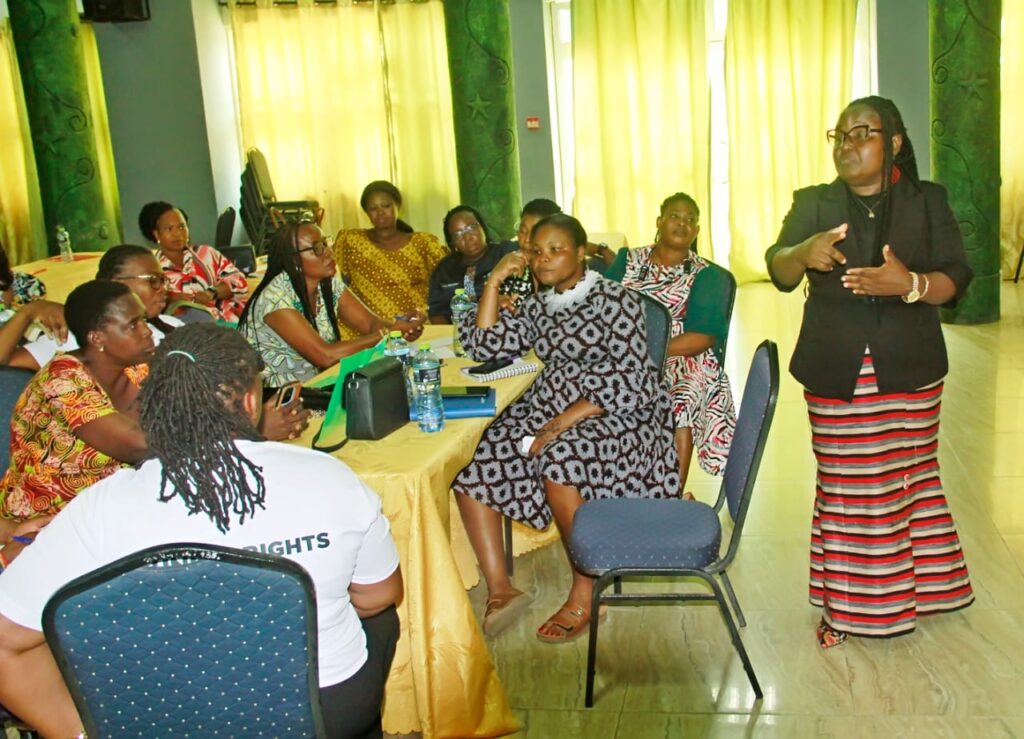
The training covered topics including leadership from a gender perspective, strategic communication, public speaking, collective bargaining, advocacy, media engagement, digital advocacy, online safety, and cross-union collaboration.
Speaking on behalf of the participants, the Volta Regional Women’s Chairperson of TUC Ghana, Ms. Melody Enam Bedi described the programme as timely and impactful.
She said the training had equipped participants with practical leadership skills and enhanced their understanding of gender-responsive leadership and advocacy.
“We have been exposed to leadership skills, effective communication, gender-responsive leadership, networking, and the strategic use of social media. These skills will help us become more visible and effective in leadership positions while advocating for greater gender equality within our unions and workplaces,” she said.
The Volta Regional Women’s Committee Chairperson of the Health Services Workers’ Union, Ms Mabel Duvor, said the programme had significantly boosted her confidence and strengthened her public speaking, communication and negotiation skills.
“One of the major takeaways from the programme is that effective leadership is built on confidence, communication, and the ability to empower others. The training has strengthened my public speaking, negotiation, and communication skills and prepared me to take on greater leadership responsibilities,” she said.
Participants expressed optimism that the knowledge and skills acquired during the training would help increase women’s participation in leadership and decision-making within trade unions and contribute to the promotion of gender equality in the workplace.