By Jones Anlimah
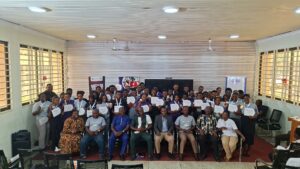
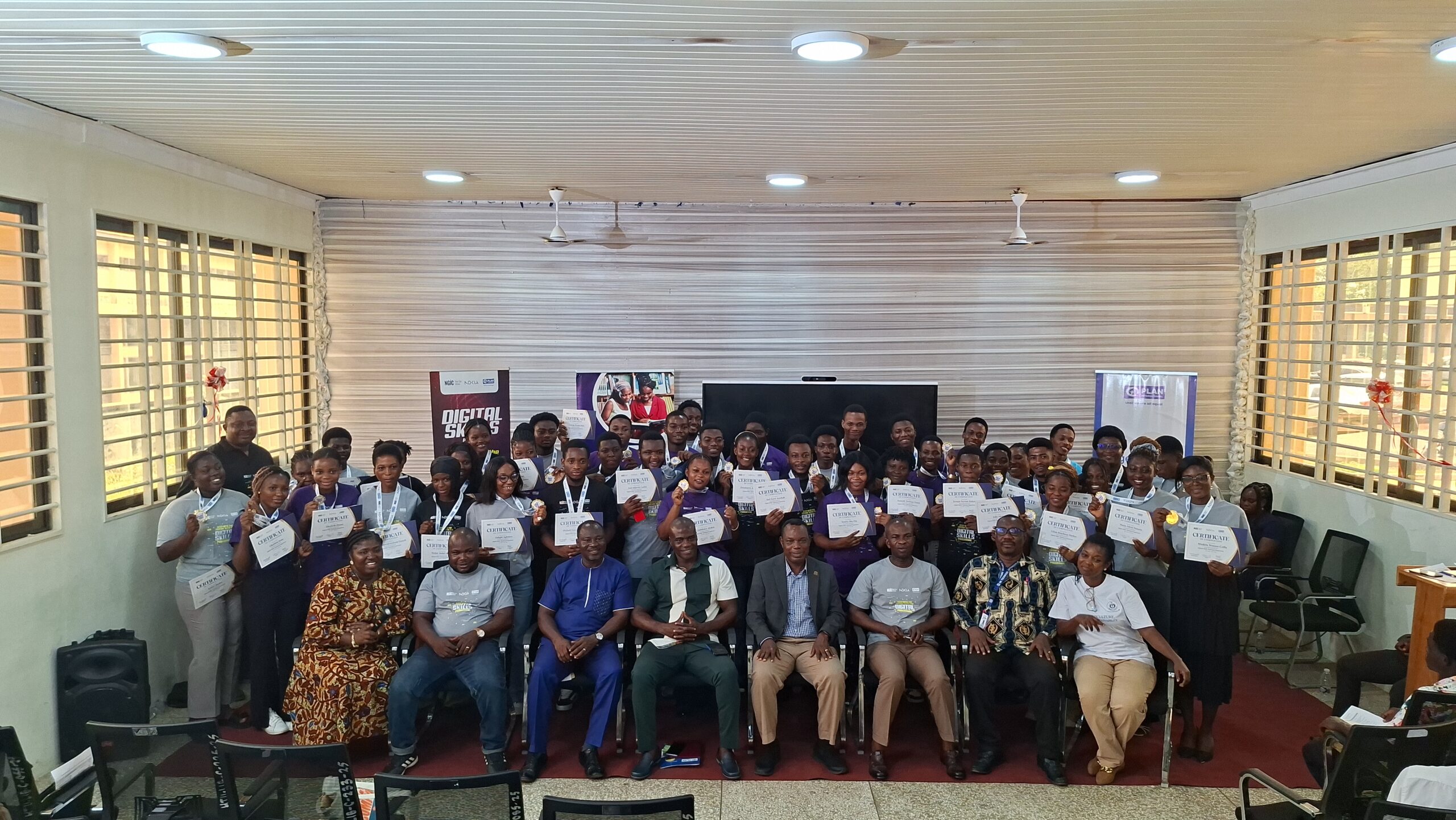
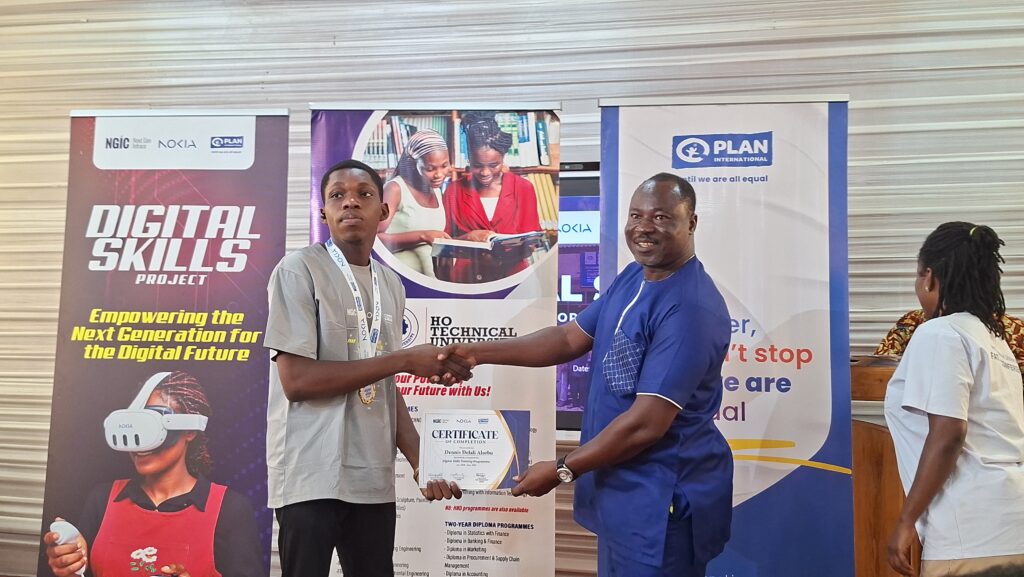
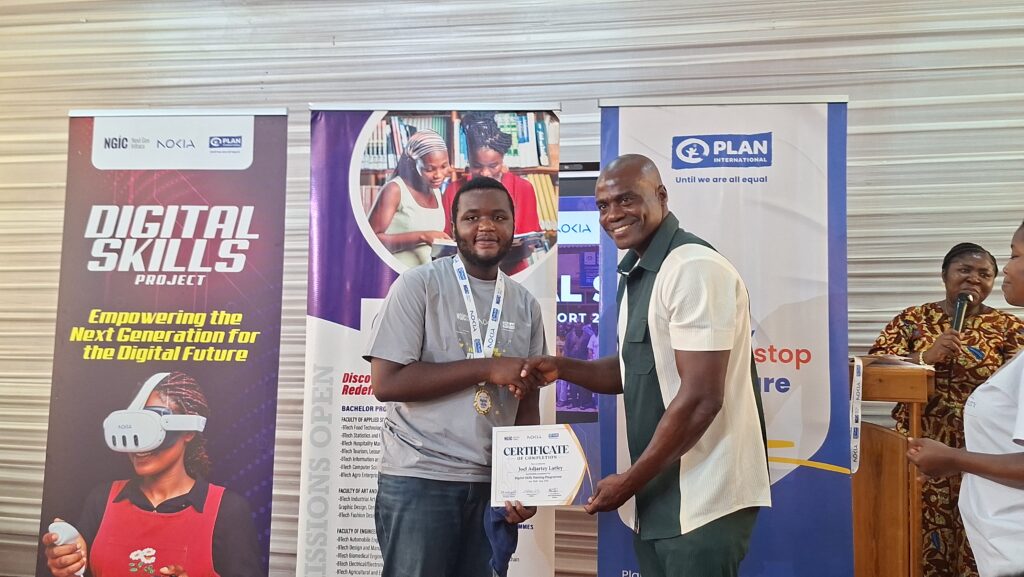
Fifty-one young people have graduated from the second cohort of the Digital Skills Project at the Ho Technical University (HTU), following 12 weeks of intensive training aimed at equipping them with relevant technological competencies to improve their employability and entrepreneurship prospects.
The graduates, who also completed a one-month capstone project, were trained in areas including artificial intelligence (AI), cybersecurity, machine learning, data analysis and data communication and networks.
The initiative, funded by Nokia and implemented by Plan International Ghana in partnership with Ho Technical University, NextGen Infraco (NGIC) and Intellas, seeks to bridge the digital skills gap among young people and prepare them to participate effectively in Ghana’s growing digital economy.
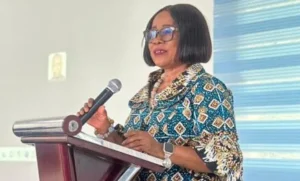
The Southern Programme Influencing and Impact Area Manager of Plan International Ghana, Mr Mathias Gangana, said the project was designed not only to equip young people with technical knowledge but also to build their confidence and problem-solving abilities to address challenges in their communities.
He said the 51 graduates represented part of a broader national effort to develop Ghana’s digital talent base and contribute to the country’s economic transformation.
“Today, we celebrate not simply the completion of a training programme, but the beginning of a new chapter; one in which knowledge is translated into opportunity, innovation, and impact,” he said.
Mr Gangana encouraged the graduates to build on the knowledge acquired, explore opportunities for innovation and entrepreneurship, and develop their ideas into sustainable ventures.
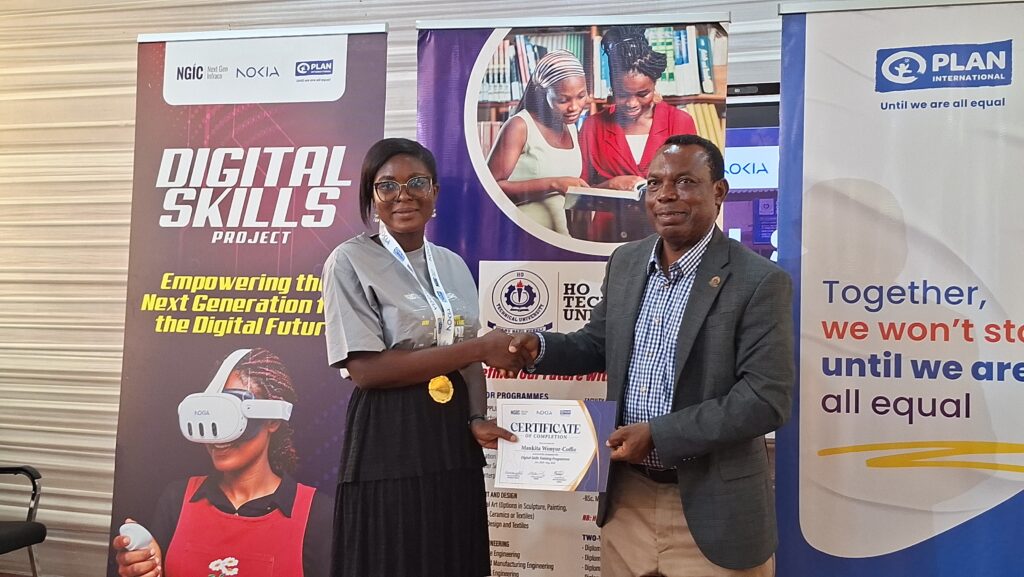
He noted that the capstone projects demonstrated the potential of young people to apply digital knowledge to practical challenges, stressing that digital skills had greater value when translated into solutions that addressed real-life problems.
He urged the graduates to move beyond seeking employment and consider creating businesses and opportunities for others.
The Plan International Ghana official said the three-year project, which began in 2025 and is expected to end in December 2027, was targeting 360 young people across three locations: Ho, Tamale and Greater Accra.
He disclosed that 106 young people had so far benefited from the initiative, with further cohorts expected to contribute towards achieving the target.
Mr Gangana expressed appreciation to Nokia for funding the project and acknowledged the contributions of Ho Technical University, NGIC and Intellas towards its implementation.
He reaffirmed Plan International Ghana’s commitment to ensuring that young women and men had equal opportunities to acquire the skills, confidence and networks required to thrive in the digital economy.
The Programme Manager for Nokia Solutions, Nana Tatse Narteh Afloe, said technological competence had become essential across virtually every profession, making digital skills increasingly important for graduates entering the world of work.
He observed that artificial intelligence and other emerging technologies were transforming sectors such as agriculture, healthcare, engineering, finance and telecommunications.
Drawing from his experience in the telecommunications industry, he explained how technological advancements had changed traditional approaches to field operations, including the use of drones and digital applications to monitor infrastructure remotely.
He also highlighted the potential of artificial intelligence in agriculture, particularly in identifying crop diseases, analysing soil conditions and predicting weather patterns to support farmers.
Mr Afloe commended the students for their capstone presentations and urged them not to abandon their innovations after graduation.
“Today, whether you are in finance, whether you are in supply chain, whether you are an engineer, each of us need technology,” he said.
He encouraged the graduates to continue developing their projects and acquire additional expertise in areas such as data analytics, machine learning and cybersecurity to remain relevant in an increasingly technology-driven economy.
The Vice-Chancellor of Ho Technical University, Professor Ben Q. Honyenuga, said the partnership had strengthened the University’s efforts to align academic training with industry requirements and practical workplace demands.
He described the Digital Skills Project as an important curriculum enrichment initiative that complemented the University’s existing academic programmes by exposing students to practical digital competencies, laboratory sessions, mentorship and project-based learning.
Professor Honyenuga said the capstone projects were particularly significant because they demonstrated the ability of students to apply their knowledge and creativity to solving real-world problems.
He said technical universities had a responsibility to produce graduates who could use their knowledge and practical skills to develop solutions rather than depend solely on theoretical learning.
Congratulating the graduates, he reminded them that completing the programme should serve as a springboard for greater achievements.
“Graduation is not the destination but a key launchpad. The knowledge and skills you have acquired must now be translated into impact,” he said.
Professor Honyenuga encouraged the graduates to use their newly acquired competencies to address societal challenges and become ambassadors of digital transformation and innovation.
He also expressed the University’s appreciation to Plan International Ghana, Nokia and the other implementing partners for investing in the development of young people, pledging the University’s continued commitment to strengthening the collaboration.
Beyond graduation
As part of efforts to sustain the impact of the programme, the Project Manager, Mr Julius Doe, outlined several opportunities available to participants beyond the training.
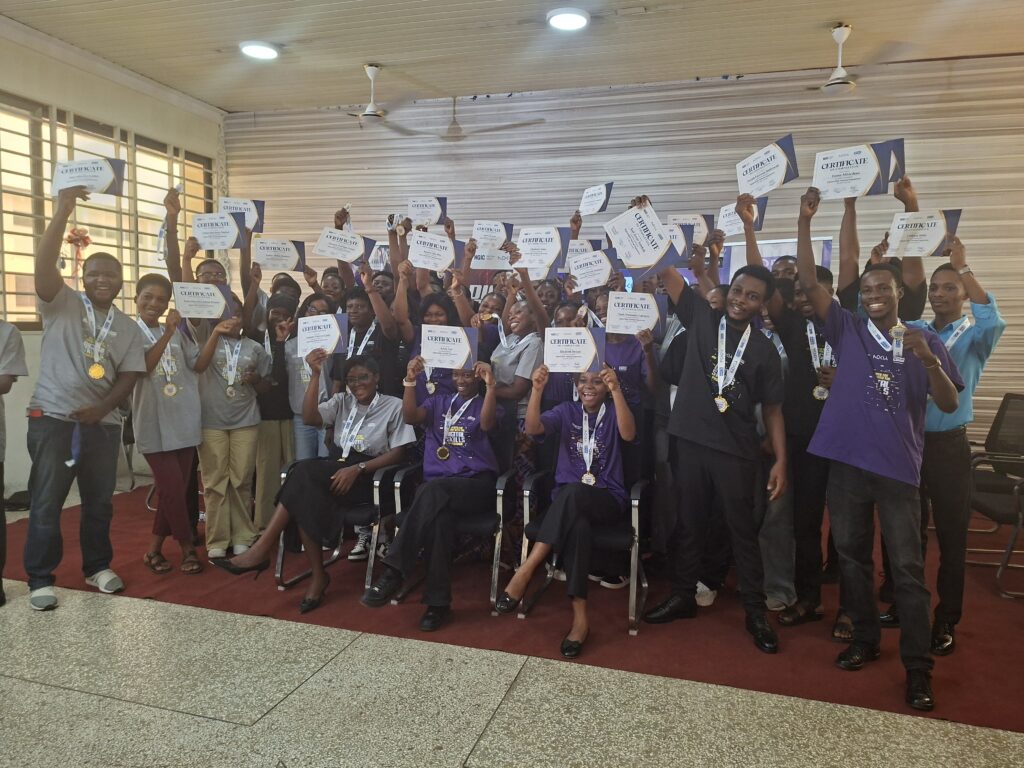
These include internship placements, mentorship, professional certification opportunities and job fairs designed to connect graduates with potential employers and industry players.
He explained that the project had also developed a tailored curriculum and an active learning management system to support the training, alongside plans to expand access to digital innovation facilities and 5G infrastructure at participating universities.
Mr Doe said the project was also working towards providing participants with practical exposure through innovation facilities equipped with resources such as virtual reality headsets, robotics kits and interactive screens.
He added that promising capstone projects would be presented to potential investors, development partners and other Plan International country offices to explore opportunities for funding and expansion.
The Digital Skills Project is part of broader efforts to strengthen youth employability and entrepreneurship by equipping young people with competencies relevant to the evolving demands of the digital economy.