By Jones Anlimah
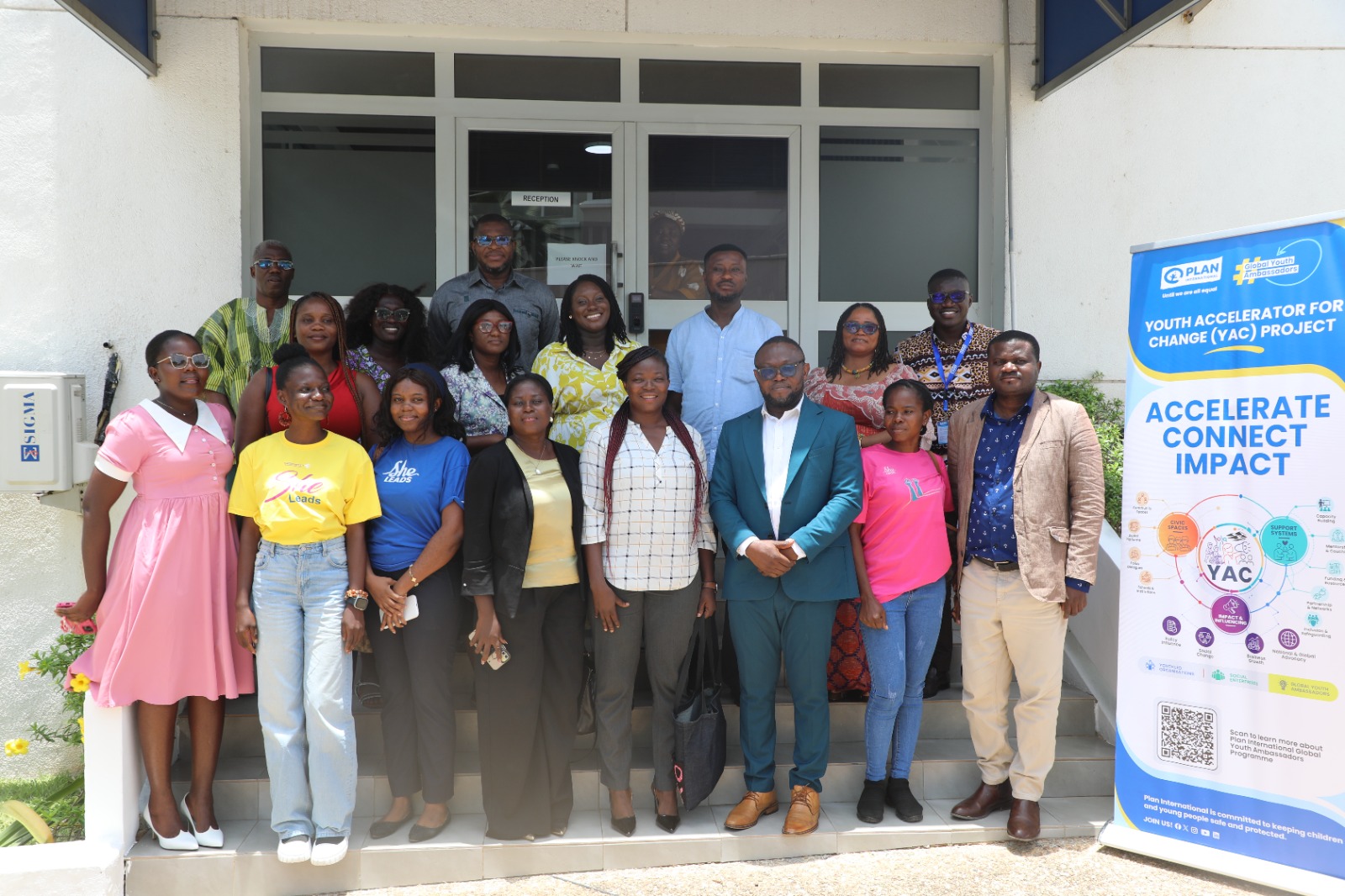
Plan International Ghana has launched the Youth Accelerator for Change (YAC) Project, a three-year initiative aimed at expanding young people’s participation in governance, advocacy, and decision-making processes at local, national, and global levels.
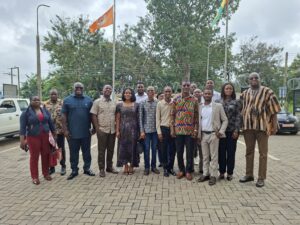
The launch, held in Accra, brought together government representatives, civil society organisations, youth-led groups, and development partners, all rallying behind a shared agenda to position young people not merely as beneficiaries of development, but as active leaders and change-makers.
The project, which builds on the She Leads initiative, is designed to address persistent structural barriers that limit youth participation, including restricted civic spaces, inadequate access to funding, and the exclusion of youth-led solutions from formal policy systems.
Speaking at the launch, the Ag. Country Director of Plan International Ghana, Mr. Frederick Tei-Nobi, stressed the importance of intentional investment in young people as agents of transformation.
“The Youth Accelerator for Change reflects our shared belief that young people are not just participants in development but leaders, innovators, and powerful agents of change within their communities and beyond,” he said. “When young people are empowered, communities are stronger, systems are more inclusive, and development becomes more sustainable.”
He further called for stronger collaboration across state and non-state actors to sustain youth empowerment efforts. “The success of the YAC Project depends on all of us including government institutions, civil society, community leaders, development partners, and the private sector. We must remain committed to opening up spaces for young people, listening to their voices, and supporting their ideas,” he added.
Project Manager, Ms. Joyce Obenewaa Darko, outlined that implementation will be focused in Accra, Ho, Hohoe, and Jasikan, directly targeting 24 youth-led advocacy groups, 18 social enterprises, and six individual youth advocates under its Global Youth Advocacy component. The initiative is expected to indirectly reach over 2,100 people, including policymakers, parents, and caregivers.
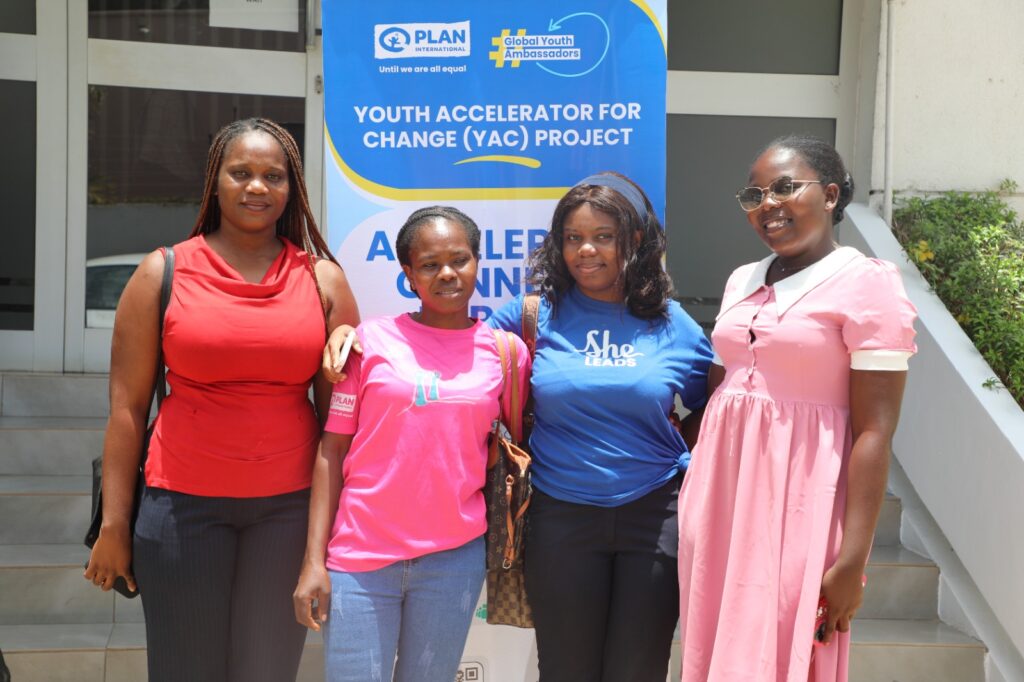
She explained that the project will focus on key thematic areas such as sexual and reproductive health and rights (SRHR), gender-based violence, climate change, teenage pregnancy, child marriage, leadership, livelihoods, and technology-facilitated violence.
Ms. Darko further highlighted three core implementation pathways: Global Youth Ambassadors who will engage in international platforms such as the UN General Assembly and COP climate conferences; Youth Leadership and Advocacy strengthening grassroots movements and engagement with policymakers; and Social Enterprising, which will support youth-led businesses addressing unemployment and social challenges through funding, mentorship, and technical support.
From the international partner perspective, Sanne Nagelhout, Youth Engagement Lead at Plan International Netherlands, described YAC as part of a wider global movement to amplify youth voices across governance spaces.
She noted that the Global Youth Ambassadors Programme is being implemented across nine countries, including Ghana, with support from Plan International offices in Europe and global foundations. Eighteen youth ambassadors are expected to engage in global advocacy on issues such as climate justice, disability inclusion, gender equality, and protection against gender-based violence.
Local partners, including the National Youth Authority, WiLDAF, Network for Women’s Rights in Ghana, Social Enterprise Ghana, and youth-led organisations, have all pledged collaboration to ensure effective implementation.
Advocacy voices at the event emphasized that the success of the initiative will depend on sustained political will and the creation of enabling environments where young people can meaningfully influence policy.
The YAC Project is expected to contribute to strengthening youth participation in governance systems while advancing gender equality, inclusion, and sustainable development outcomes across Ghana.