
By Jones Anlimah
Education stakeholders in the Volta Region have begun a renewed push to reverse declining academic performance and restore the region’s reputation for educational excellence.
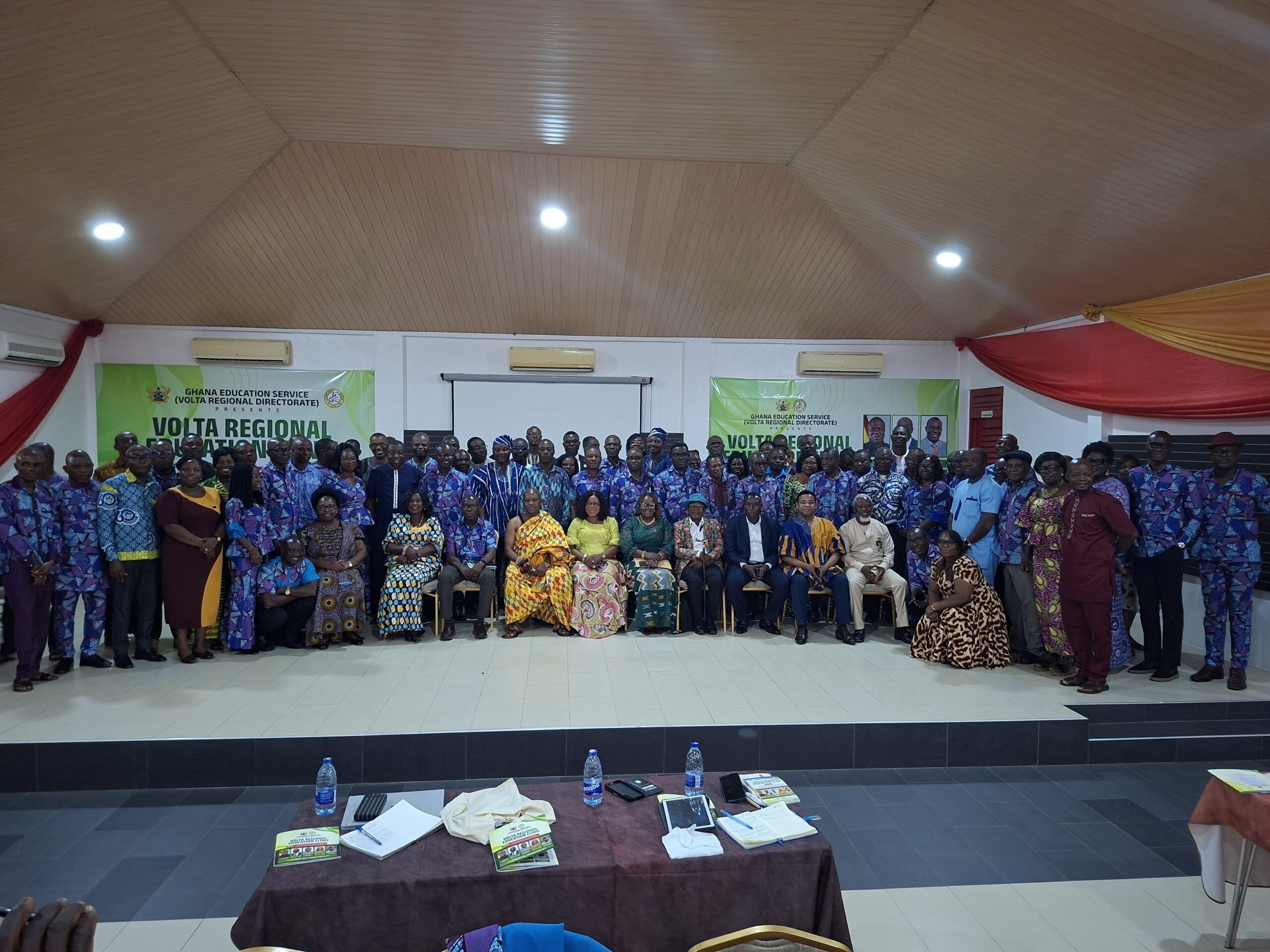
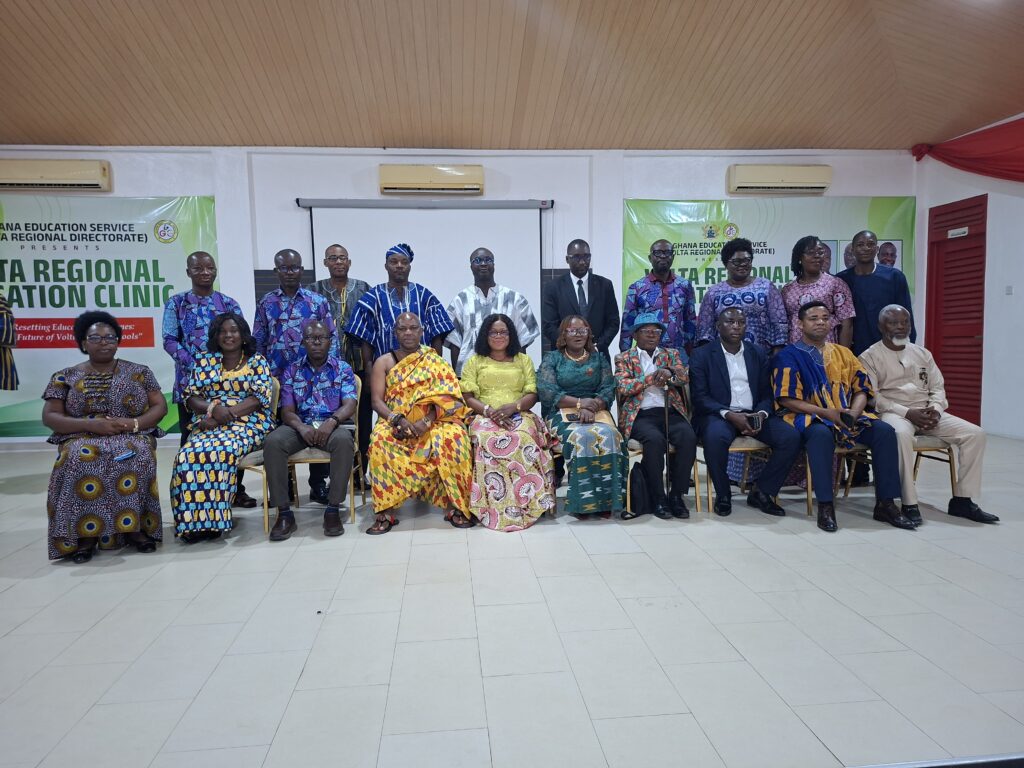
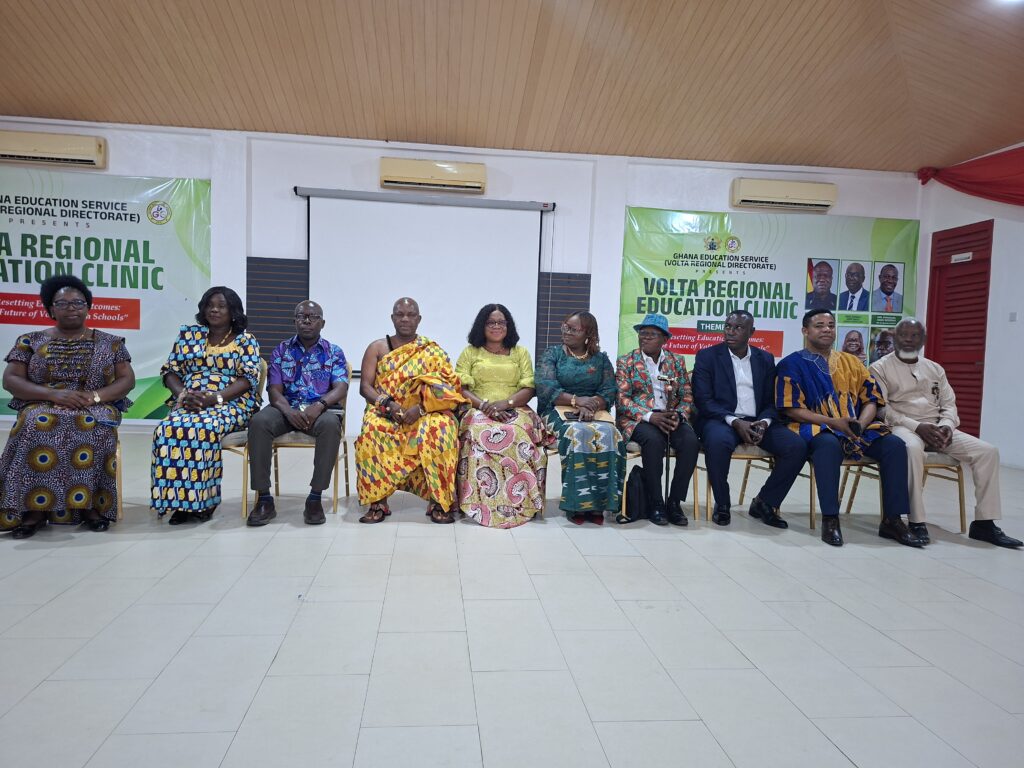
The call was made at the Volta Regional Education Clinic held in Ho under the theme, “Resetting Education Outcomes: The Future of Volta Region Schools.”
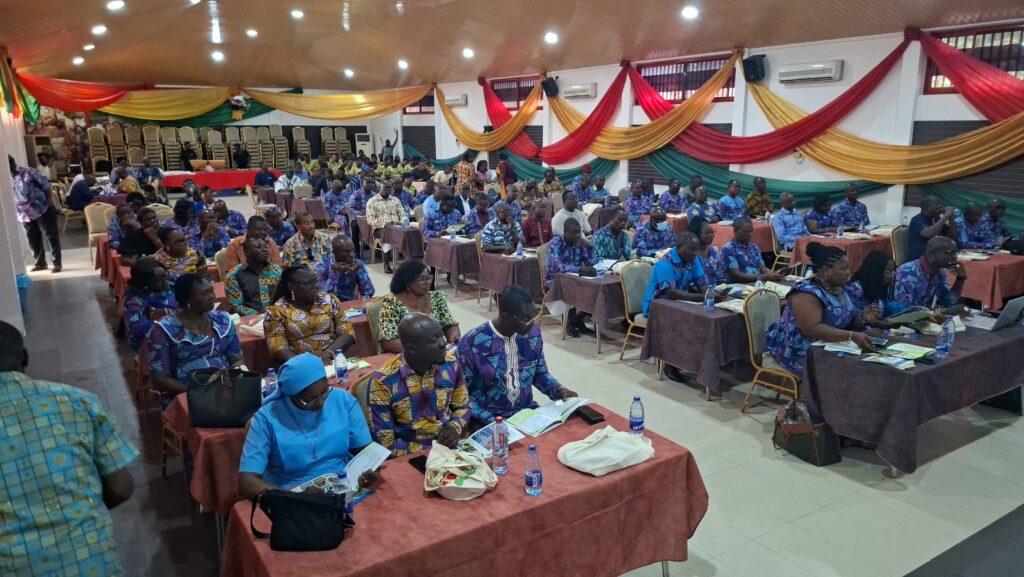
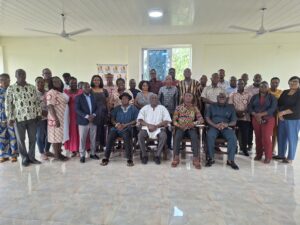
The three-day strategic capacity-building programme brought together heads of senior high and senior high technical schools, education managers, government representatives, teacher unions and other stakeholders to examine challenges confronting schools and develop practical solutions.
The Acting Volta Regional Director of Education, Mrs Marian Adzroe, said the clinic had become necessary following what she described as a worrying decline in performance in the West African Senior School Certificate Examination (WASSCE).
She said an analysis of results from 2023 to 2025 revealed serious challenges, particularly in Mathematics and Integrated Science.
“In the 2025 WASSCE, 18 schools in our region recorded a zero progression rate. Nine schools achieved a mere one per cent progression rate, while over 27 schools fell below a 12 per cent progression rate,” she said.
Mrs Adzroe said the situation represented more than poor statistics, warning that it had implications for the future of thousands of young people in the region.
“The status quo is entirely untenable, and our response must be immediate, structural and decisive,” she stated.
She explained that the clinic would focus on WASSCE recovery, leadership reform and preparations for the implementation of the new secondary education curriculum.
According to her, all 68 heads of senior high and senior high technical schools in the region were expected to undertake a critical review of their schools’ performance and develop data-driven turnaround plans.
She added that 20 newly appointed heads were also being oriented to prepare them to lead schools whose students would sit the WASSCE in 2027 under the new curriculum.
“This is a clinic because we are going to diagnose the issues and then find solutions to the issues,” Mrs Adzroe said, stressing the need for school leaders to identify gaps in teaching, infrastructure, staffing and discipline and adopt best practices to improve learning outcomes.
She identified inadequate infrastructure, shortages of teachers in some subject areas and indiscipline among both students and teachers as some of the challenges affecting performance.
The Deputy Director-General of the Ghana Education Service in charge of Management Services, Professor Smile Gavua Agisi, described the clinic as a defining moment for education in the Volta Region and urged school heads to confront challenges openly.
She said the exercise should not be treated as an ordinary conference or ceremonial gathering but as a problem-solving forum.
“It’s a clinic. We want to diagnose, we want to get the right drugs, we want to get a solution, we want to get the right prescription before we leave here after three days,” she said.
Professor Agisi called on school leaders to move beyond measuring educational success solely by examination results.
“True educational outcome must encompass the knowledge, the skills, the competencies, the attitudes, the values and character that learners acquire as a result of the educational or learning experience,” she said.
She urged participants to share successful interventions across schools and districts, noting that strategies producing positive results should not remain isolated.
“Best practice must not become best-kept practice,” she stressed.
Professor Agisi expressed optimism that collective action could reverse the declining trend, saying the ultimate test of the clinic’s success would be reflected in future examination results.
“I’ll be happy when the 2027 WASSCE results will tell a different story. Then we will know that all these efforts have not been in vain,” she said.
The Adaklu District Chief Executive, Jerry Yao Ameko, who spoke on behalf of his colleague Municipal and District Chief Executives in the region, pledged the support of local authorities towards improving education.
He said education had historically been a source of pride for the Volta Region and called on stakeholders to work together to reclaim that position.
“We are ready 24/7 to provide whatever support that is required of us to ensure that education gains its proper roots in the region,” he said.
Mr Ameko stressed the importance of stronger communication between education authorities and political leaders at the district level, arguing that District Chief Executives could better support schools when they were fully informed about their challenges and needs.
He encouraged education managers to engage district assemblies early enough to enable educational projects and programmes to be incorporated into development plans and budgets.
The DCE also pointed to government support for educational infrastructure, furniture and teacher accommodation, while reiterating that improved learning outcomes required collective responsibility.
“Success in education cannot be achieved with just one person holding it. It must be a collective effort. It’s a shared responsibility,” he said.
Participants at the clinic are expected to examine school performance data, share innovative approaches to teaching and management and develop strategies to address challenges affecting academic outcomes.
For the Volta Regional Education Directorate, the exercise represents an opportunity to confront uncomfortable realities, strengthen school leadership and chart a new course for schools in the region.
As Mrs Adzroe put it, “If we fail to build comprehensive leadership capacity today, then we risk compromising two consecutive generations of students.”
The clinic, therefore, has been positioned as a critical step towards restoring the academic fortunes of the Volta Region and preparing its schools for the demands of the new secondary education system.




One Response
lPQzcqJwtItsZwZPKwmNIr