By Patience Esi Tamakloe
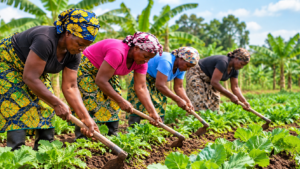
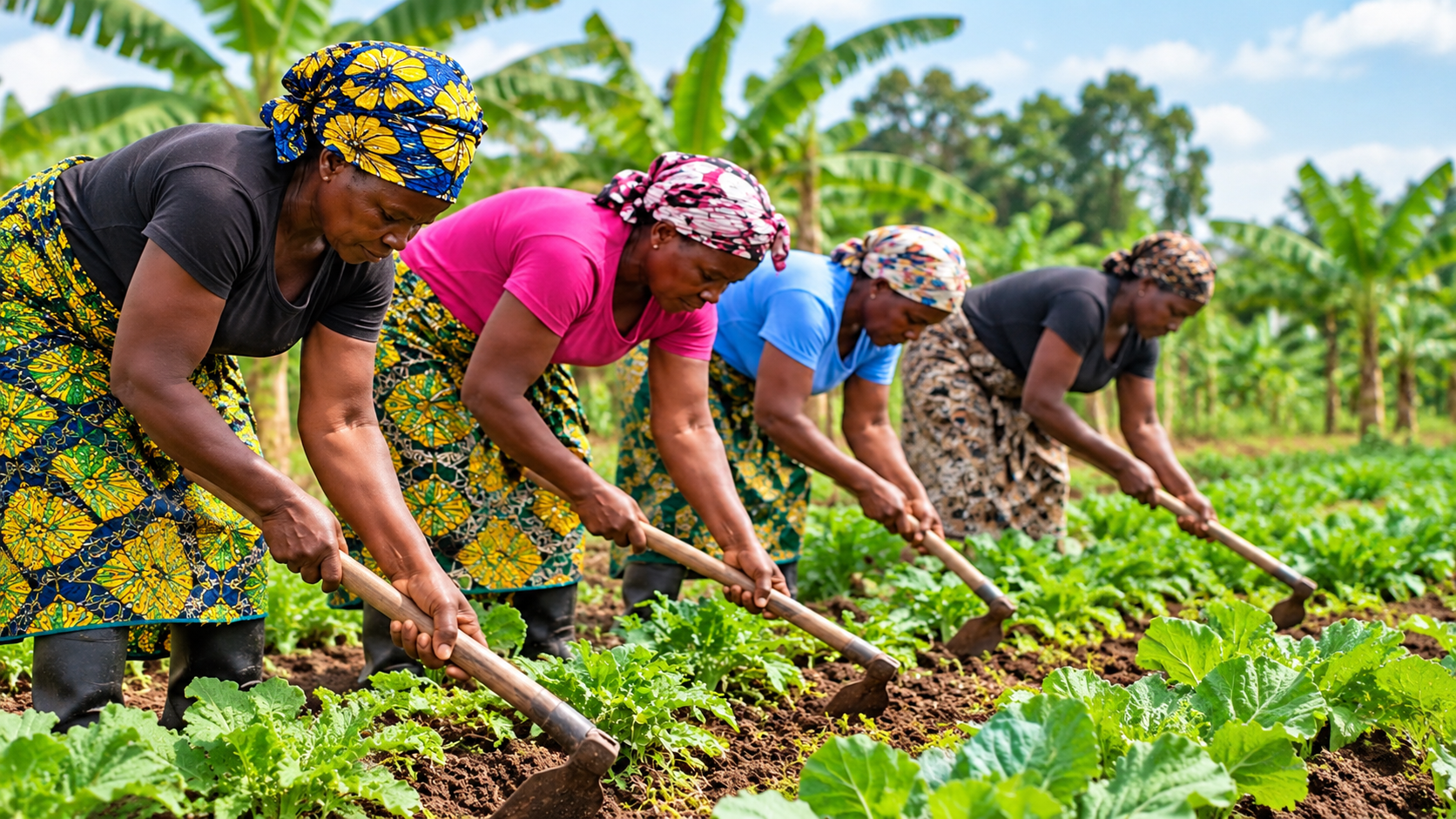
Rural women, farmers and gender advocates have called for increased investment in climate-resilient agriculture to address challenges confronting women farmers, including limited access to land, affordable credit, irrigation facilities and reliable markets.
They made the call during a three-day radio discussion on Volta Star Radio in Ho from October 19 to 21, 2026, to mark the International Day of Rural Women.
The discussions focused on the contribution of rural women to food production, the impact of climate change on their livelihoods, and the need to incorporate their priorities into development plans, budgets and climate adaptation programmes.
The Executive Director of Global Action for Women Empowerment (GLOWA), Rosemond Ewoenam Atutonu, identified cultural barriers to land ownership and the lack of collateral as major obstacles to women’s access to credit.
She called for improved farm roads, storage and preservation facilities, affordable loans and equitable access to land to enable women farmers to expand production and reduce post-harvest losses.
Agnes Dzigbordi Nyamalor Fiakpi of the Women in Agricultural Development Directorate (WIAD) encouraged women farmers to form cooperatives to strengthen their bargaining power and improve access to markets.

She also stressed the need for a more equitable sharing of household responsibilities to enable women to devote more time to farming and other income-generating activities.
Climate Change Threatens Agricultural Livelihoods
Participants expressed concern about irregular rainfall patterns and their effects on agricultural production, calling for increased investment in irrigation facilities, agricultural extension services, farm machinery, quality seedlings and technical support.
Mamaga Awutorleve II, Paramount Queen Mother of Ave Hevi in the Akatsi North District, said traditional authorities could play an important role in improving women’s access to land for agricultural investment.
She encouraged women to engage traditional leaders and district assemblies to address land-related challenges and urged stakeholders to invest in initiatives that would strengthen rural women’s livelihoods.
Uncertain Markets Affect Farmers’ Income
A farmer, Esinam Patie, said changing rainfall patterns had affected rice production, forcing some farmers to switch to alternative crops such as green pepper, tomatoes, okra and garden eggs.
She, however, noted that the alternative crops did not always generate returns comparable to rice, leaving farmers exposed to financial uncertainty.
She also highlighted the difficulties farmers faced when buyers were unavailable, resulting in produce going bad after they had incurred transportation costs to transport it to market.
Participants observed that inadequate storage facilities and unreliable markets could prevent farmers from recovering their production costs and financing subsequent planting seasons.
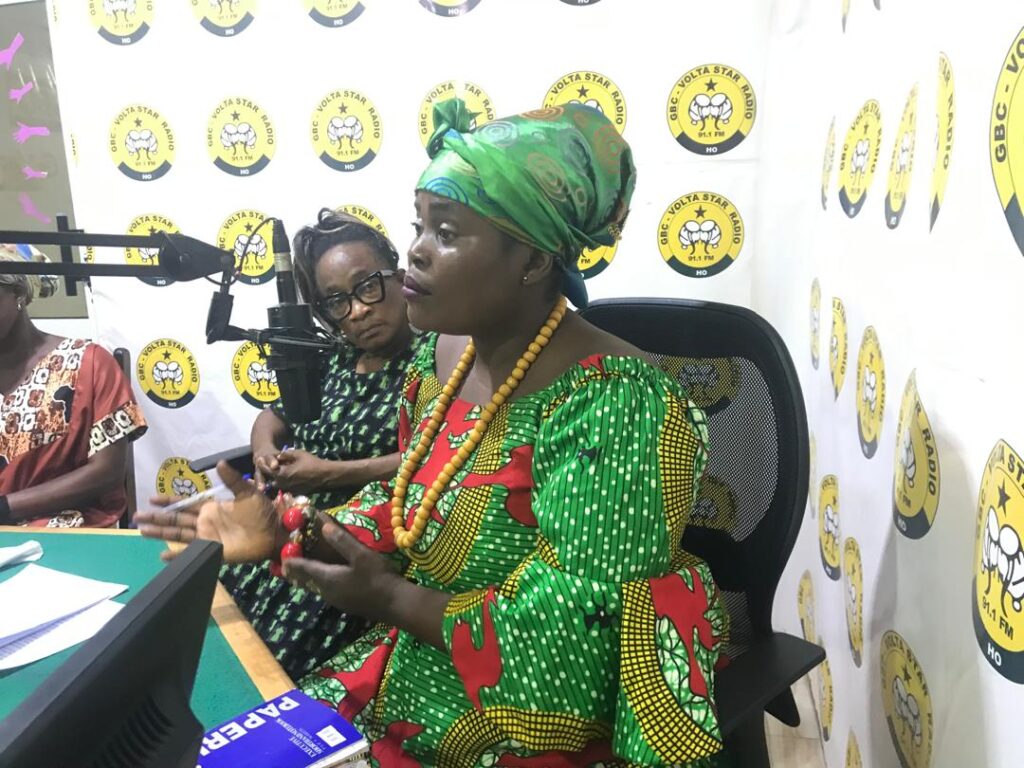
They called for stronger market linkages, improved post-harvest facilities and public education to help rural women understand climate change and adopt appropriate adaptation measures.
Call for Gender-Responsive Planning
Evans Datsomor of the Department of Gender said women must participate actively in policy formulation and decision-making because they directly experienced many of the challenges development interventions sought to address.
He encouraged women to speak up and participate in community development, while other participants urged district assemblies to allocate resources to meet the specific needs of women farmers.
The discussions also highlighted the importance of addressing gender-based violence. Farmer Theresa Ahorku shared a personal experience of abuse in a former relationship, prompting calls for women and girls experiencing abuse to seek assistance from appropriate institutions.
The discussions formed part of the Strengthening Investment in Gender-Responsive Climate Adaptation (SIGRA) Ghana Project, supported by Global Affairs Canada in collaboration with the Departments of Gender in the Volta and Northern regions.
Participants called for sustained investment in rural women to improve access to land, finance, irrigation, agricultural extension services, storage facilities and reliable markets.
They said such interventions were essential to strengthening climate resilience, reducing post-harvest losses, improving agricultural livelihoods and ensuring that rural women had a greater voice in decisions affecting their communities.