By Jones Anlimah
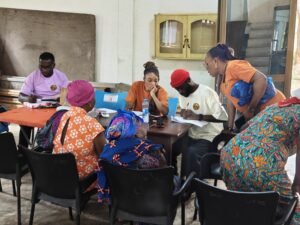
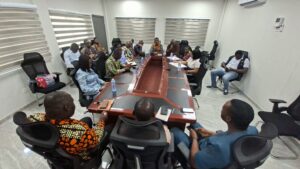
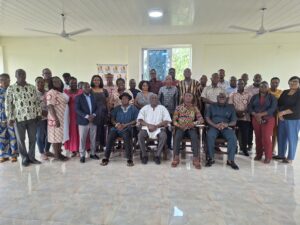
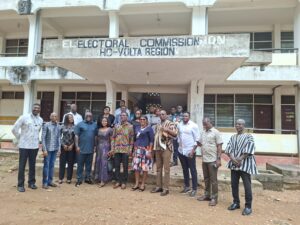
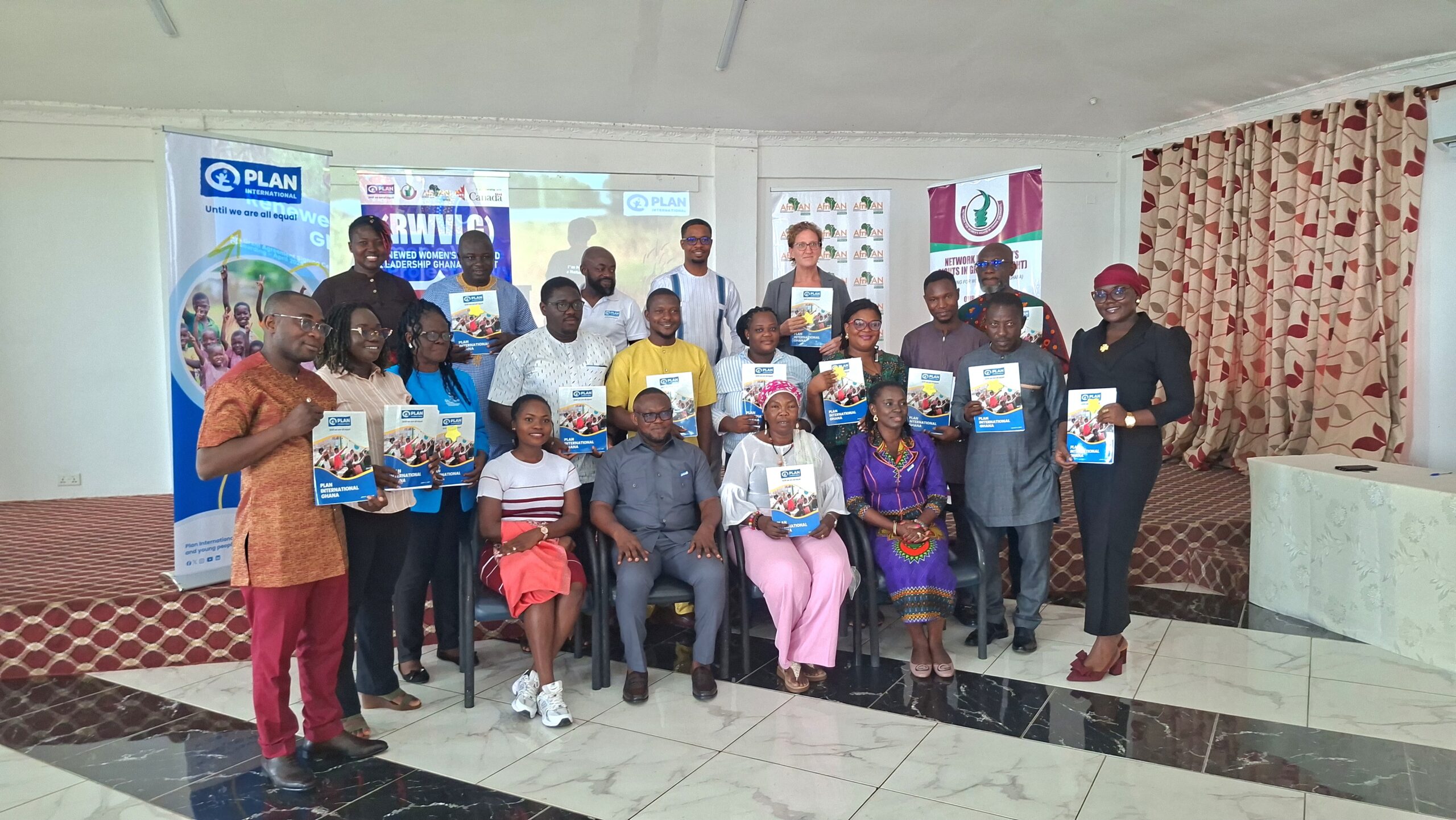
Fifteen women’s rights and youth-led organisations from across Ghana have signed grant agreements under the Renewed Women’s Voice and Leadership (RWVL) Ghana Project at a ceremony held in Ho in the Volta Region.
The beneficiary organisations, drawn from regions including Volta, Bono, Northern, Greater Accra, Ashanti, Upper East, Upper West and Western North, will implement interventions focused on gender equality, economic empowerment, sexual and reproductive health rights, and inclusive development.
The initiative, funded by Global Affairs Canada and implemented by Plan International Ghana in partnership with Plan International Canada, NETRIGHT and AfriYAN Ghana, seeks to strengthen the capacity and sustainability of organisations championing the rights of women and girls.
Speaking at the ceremony, Acting Country Director of Plan International Ghana, Mr Frederick Tei-Nobi, described the event as a transition from planning to action.
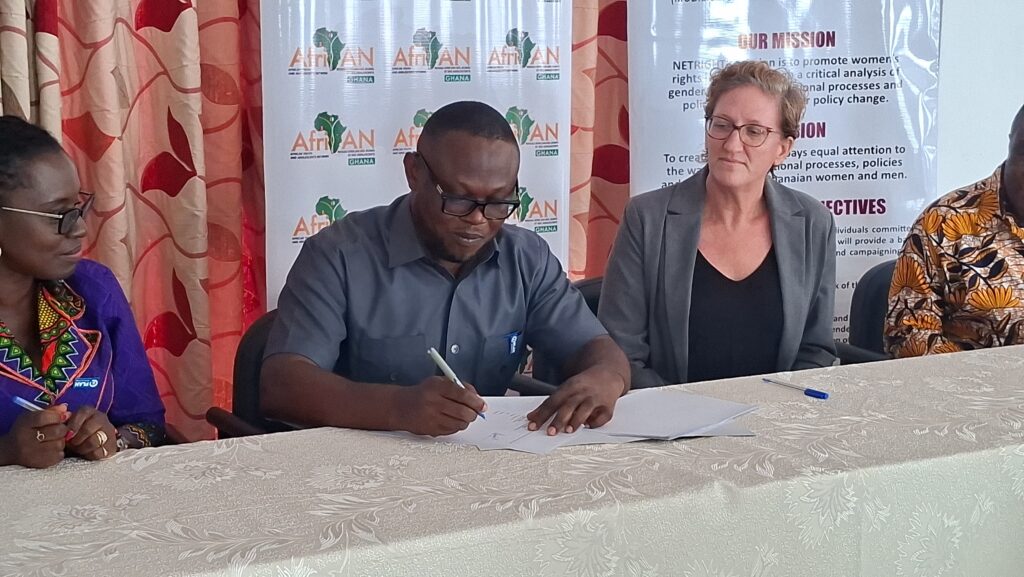
“This contract-signing ceremony marks a significant moment, not only the formalisation of our partnership, but also the transition from design to delivery, where shared intentions are translated into concrete action,” he said.
The six-year project is expected to provide 138 grants to about 120 organisations and individuals.
Project Manager of RWVL, Ms Theodora Asare, disclosed that each grantee will receive up to 80,000 Canadian dollars, with the current cohort accounting for about 1.5 million Canadian dollars, forming part of a total envelope of approximately 2.9 million Canadian dollars under this grant stream.
She explained that the project adopts a participatory monitoring approach to ensure accountability and impact.
“As they are implementing, they are monitoring and evaluating with their communities to identify gaps and address them in good time,” she said.
Ms Asare added that sustainability remains central to the project, with organisations encouraged to develop social enterprise models to generate internal funding and reduce reliance on donor support.
Mr Tei-Nobi urged beneficiaries to ensure transparency and measurable results.
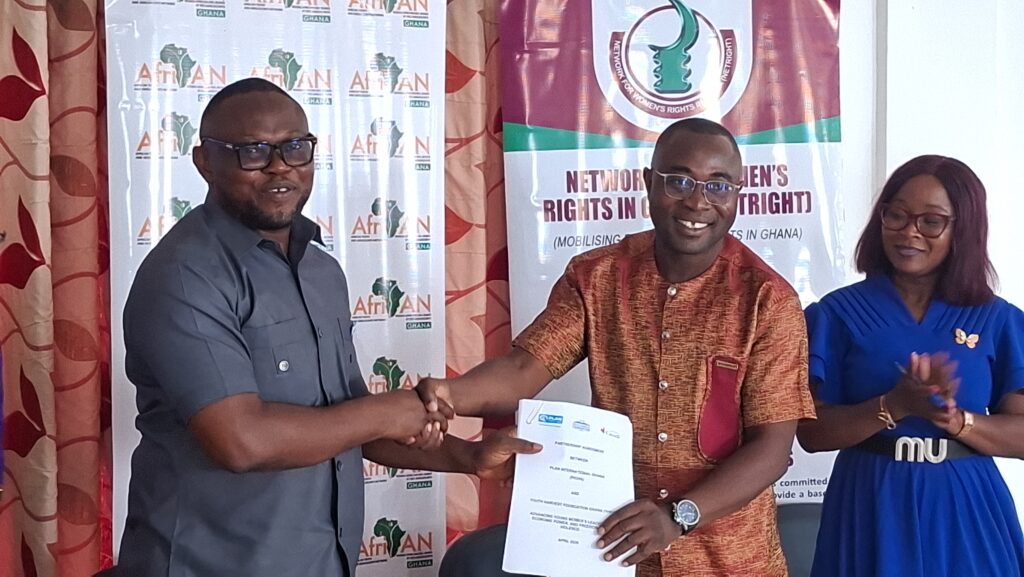
“We must ensure that resources are managed with the highest standards of integrity, accountability and transparency, and demonstrate tangible improvements in the lives of women, children and families,” he emphasised.
The beneficiary organisations are implementing diverse interventions. Kekeli Foundation Ghana in the Volta Region is focusing on supporting mothers of children with developmental disabilities, while WAN-HIVE Ghana in the Bono Region is promoting women’s leadership, particularly among queen mothers.
Global Women Development Promoters (GLOWDEP) in Greater Accra is working on sexual and reproductive health and rights, while SWIDA Ghana in the Northern Region is advancing leadership and economic empowerment for women and girls.
Other organisations, including Yayra-SI Youth Foundation and CEREATH Development Organisation, are promoting livelihoods and women’s participation in male-dominated trades and decision-making processes.
Beneficiaries such as the Resource Foundation and Ark Development Organisation are also addressing sexual and reproductive health issues, including teenage pregnancy, alongside livelihood support.
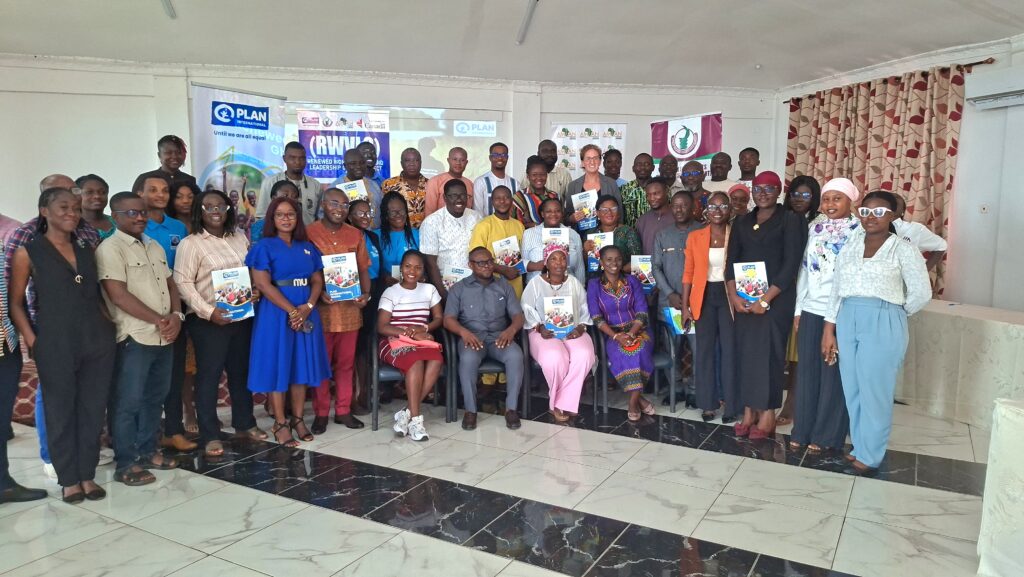
Director of Kekeli Foundation Ghana, Ms Carrie Brown, said the grant would help expand advocacy and support for mothers of children with developmental disabilities.
“We want to train the mothers now to advocate for these services to expand within the community and ensure that the support can continue even beyond this grant,” she said.
Executive Director of Yayra Youth Foundation, Ms Esther Naa Ankrah, said the support would help empower young women, especially teenage mothers, with employable skills.
“We are going to use this opportunity to bring teenage mothers into what we do and introduce them to male-dominated skilled areas so they can access job opportunities,” she noted.
The RWVL Project is expected to expand to all 16 regions of Ghana, contributing to a stronger national movement advocating for the rights and empowerment of women and girls.