
By Jones Anlimah
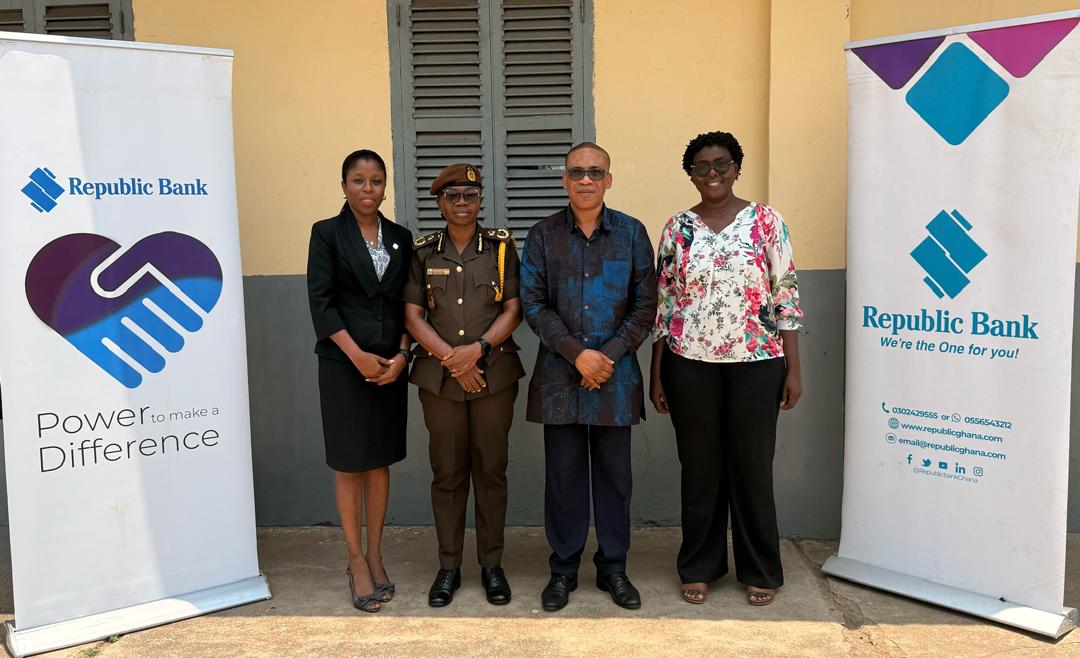
Fifty young people at the Senior Correctional Centre have been equipped with financial management skills, bank accounts and seed funding to help them establish sustainable livelihoods after their release.
The support forms part of the RESET – Rise to Economic Security, Empowerment and Transformation project, which seeks to strengthen the economic reintegration of young people leaving the correctional system.
The beneficiaries have completed a 12-module financial capability programme covering budgeting, saving, responsible borrowing, financial decision-making, entrepreneurship and planning for the future.
In addition to the training, each participant has been provided with access to a formal bank account and is expected to receive seed funding to establish a small workshop or other income-generating activity upon release.
The initiative is a collaboration between researchers from the University of North Carolina (UNC), the University of Ghana’s Department of Social Work and the Senior Correctional Centre, with Republic Bank (Ghana) PLC serving as the sole financial institution supporting the project.
The intervention is designed to complement the vocational and rehabilitation programmes at the Centre by giving participants the financial knowledge and practical resources needed to apply their skills after leaving correctional care.
Professor David Ansong of the University of North Carolina and Lead Researcher on the project said successful reintegration required more than rehabilitation within the correctional setting.
He said young people needed the confidence, financial knowledge, access to services and economic opportunities to rebuild their lives and become financially independent.
“Successful reintegration requires more than rehabilitation within a correctional setting. Young people also need the ability to make and act on financial decisions as they rebuild their lives after release,” Professor Ansong said.
He said RESET was designed to help participants translate their vocational skills and aspirations into sustainable livelihoods.
The Managing Director of Republic Bank (Ghana) PLC, Dr Benjamin Dzoboku, described the initiative as an opportunity for the beneficiaries to make a fresh start.
“RESET is fundamentally about second chances and the opportunity to begin again with purpose. We want these young people to leave the Centre not only with vocational skills, but also with the financial capability, confidence and practical support needed to build productive lives,” he said.
Dr Dzoboku said the provision of bank accounts and seed funding was critical to ensuring that financial education translated into tangible economic opportunities.
The Officer-in-Charge of the Senior Correctional Centre, DDP Yayra Ashong-Mettle, said the initiative complemented the Centre’s rehabilitation efforts by preparing participants for meaningful economic engagement after their release.
Dr Abena Ampomah of the University of Ghana’s Department of Social Work and Co-Principal Investigator of the project said the initiative demonstrated how research and institutional partnerships could produce practical solutions to social challenges.
The RESET project also includes planned mentorship and post-release engagement to support participants as they transition from correctional care to independent and productive living.
The project forms part of FCAB Africa, a continent-wide research initiative focused on advancing financial capability and asset building as foundations for economic resilience and financial well-being across Africa.

One Response
fRbiSVnxpBmLdGEprrBVjyt