
By Jones Anlimah
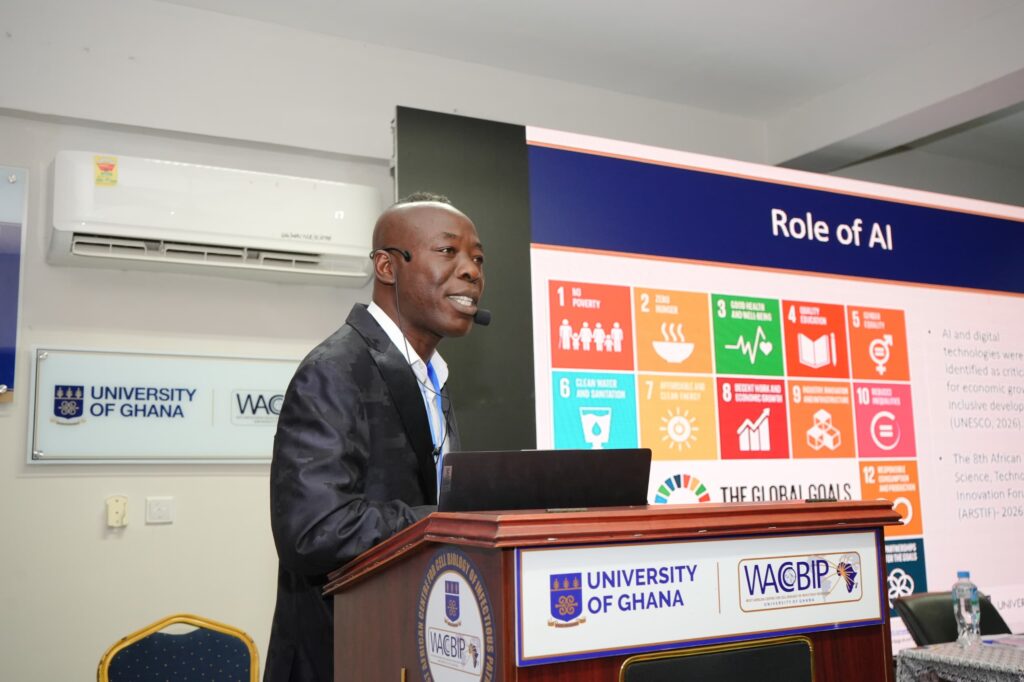
Professor Samuel Kojo Kwofie, Director of the Institute of Applied Science and Technology (IAST) at the University of Ghana, has called on Ghana and the rest of Africa to harness their vast data resources and invest strategically in artificial intelligence (AI) to address critical development challenges and drive inclusive growth.
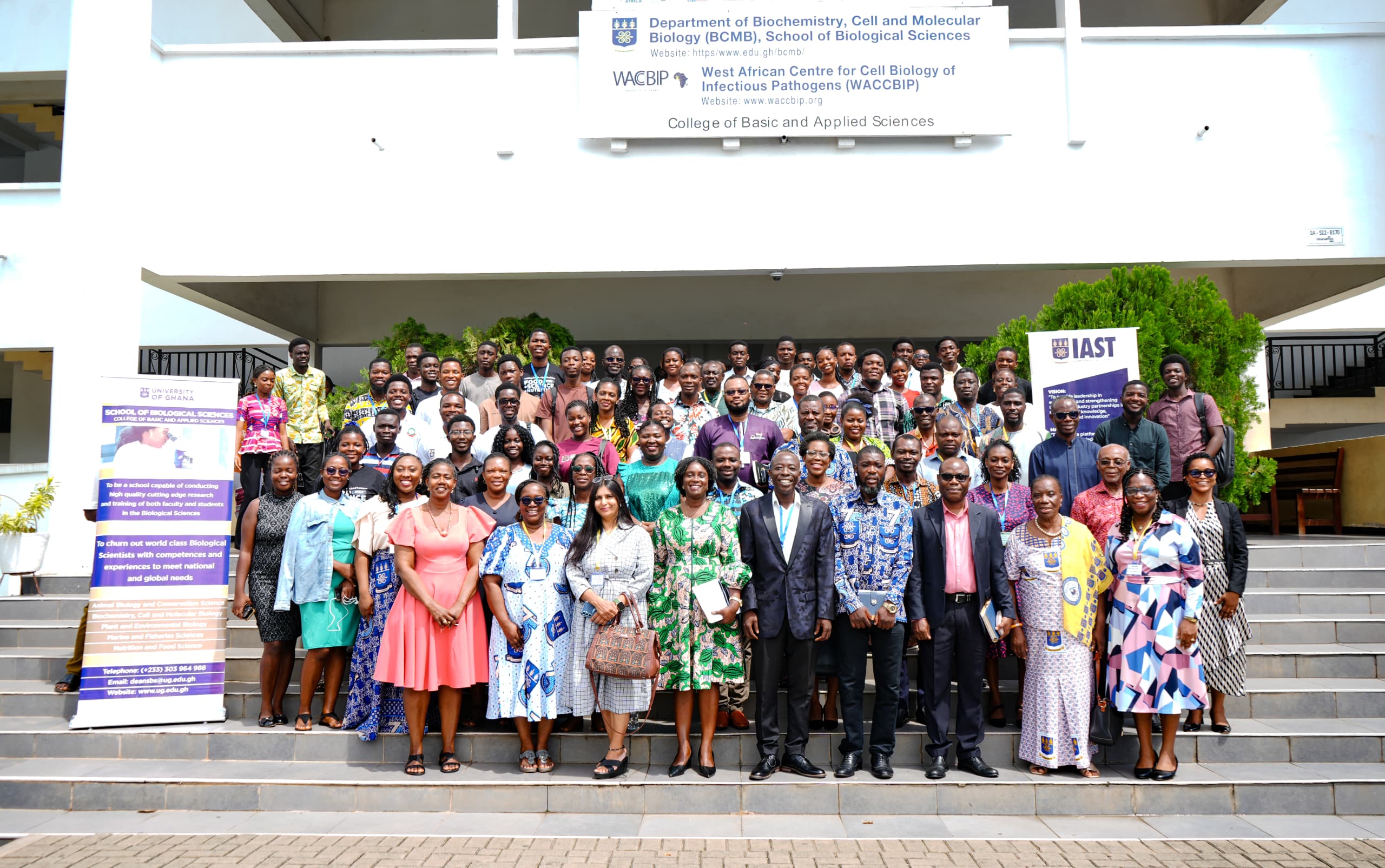
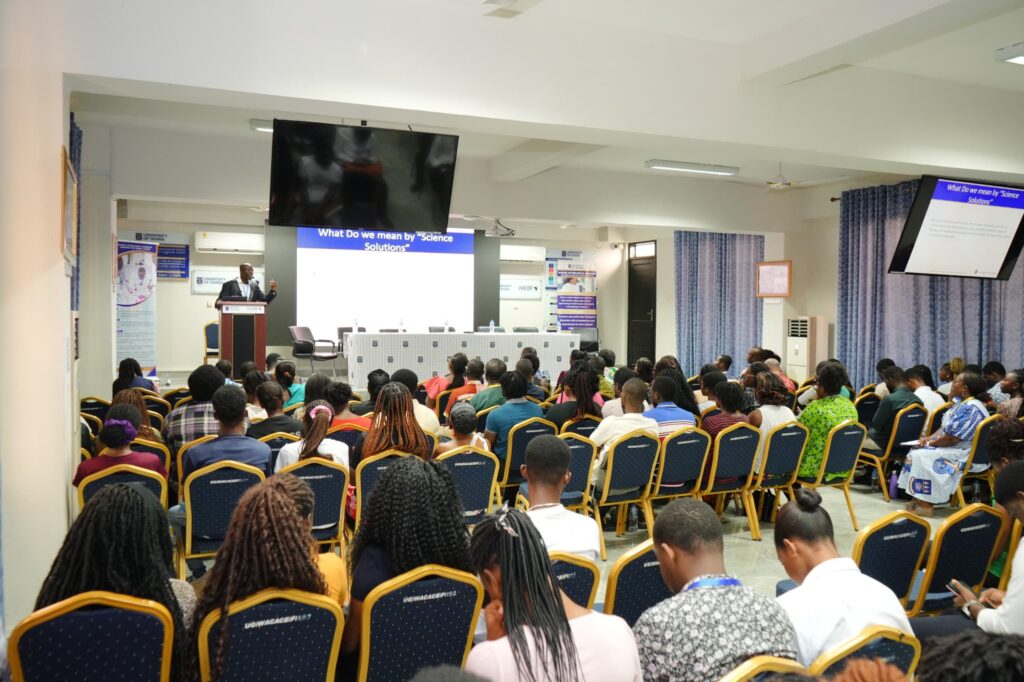
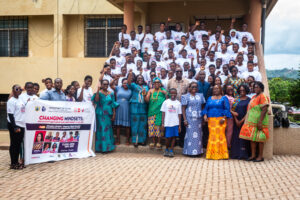
Speaking at the 2026 Day of Scientific Renaissance of Africa, organised by the School of Biological Sciences under the College of Basic and Applied Sciences at the University of Ghana, Prof. Kwofie said Africa possesses enormous amounts of valuable data that remain largely untapped despite their potential to transform key sectors of the economy.
The event was held on the theme: “From Molecules to Ecosystems: Science Solutions for an Equitable Africa.”
Prof. Kwofie observed that while many African countries continue to focus on exploiting natural resources, greater attention must be paid to leveraging data as a strategic national asset.
“We have not been able to leverage or harness all these resources to transform our destiny. So the key question is value addition to all these natural resources,” he said.
Emphasising the growing importance of data in the digital age, he noted that “data is the new gold” and urged government, academia and industry to invest in data science and AI-driven innovation.
“If the government can invest in data, we have so much data sitting here in the University of Ghana. If you look at the national census, we have so much data,” he stated.
According to him, decades of research data collected by universities and research institutions across the continent—including health, agriculture and food science datasets—represent a largely unexploited resource that could be transformed into practical solutions for societal challenges.
“Many a times we always want to exploit resources beneath the ground, but the data in the country is gold,” he stressed.
Prof. Kwofie challenged participants to rethink what an equitable Africa should look like, describing it as a continent where access to healthcare, quality education, food security and economic opportunities are available to all, regardless of location or social status.
While acknowledging the rapid advancement of artificial intelligence globally, he said Africa must position itself as a producer of AI solutions rather than a passive consumer of technologies developed elsewhere.
Referring to recent developments in AI, he noted that emerging technologies are already reshaping economies and societies worldwide.
“As much as we have the national security concerns expressed by the U.S. government, we find out that AI models and agents will revolutionise the global economy,” he said.
He therefore advocated a home-grown approach to AI development.
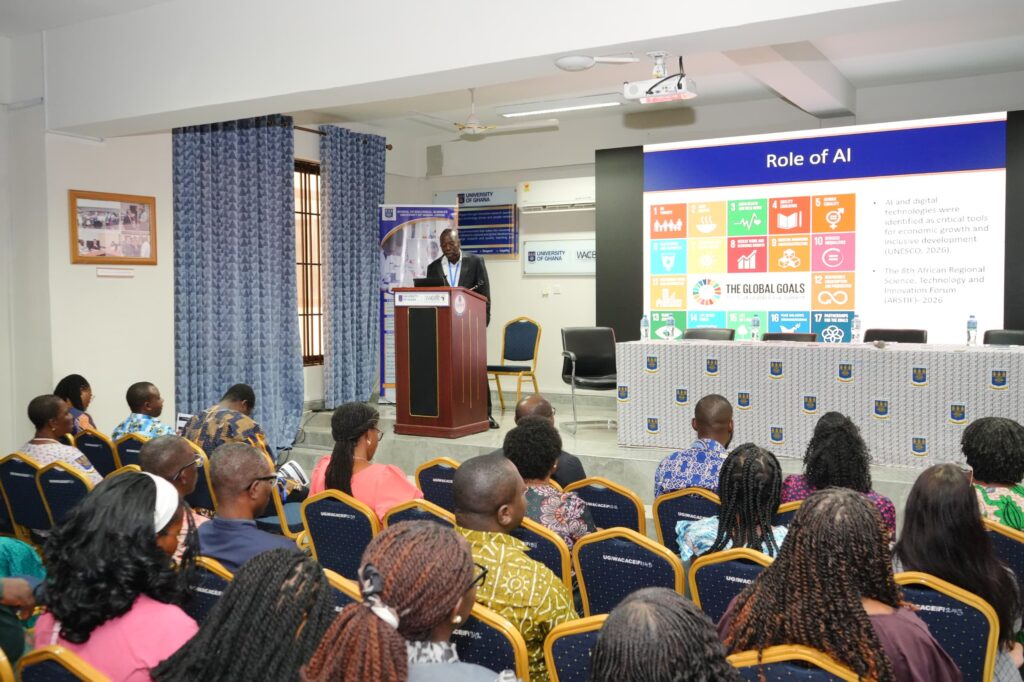
“We have to have a Ghana-led, Africa-led initiative to use AI to address various sectors of our economy, be it health, agriculture, education,” he added.
Prof. Kwofie said AI investment across Africa has grown significantly over the past five years, increasing from about $1.2 billion to an estimated $4.1 billion, creating new opportunities for innovation and economic transformation.
He commended efforts by the Government of Ghana to position the country for the AI era, citing the launch of the National Artificial Intelligence Strategy 2025–2035 by President John Dramani Mahama earlier this year.
The strategy, which seeks to build an AI-powered society, aligns with Ghana’s broader vision of using technology to promote inclusive social and economic development.
Prof. Kwofie also urged universities to take a leading role in AI research, innovation and capacity building.
“The University of Ghana and other universities in this country must see themselves as AI-powered in the next 10 years to come. We cannot afford to be spectators in this revolution,” he said.
He explained that universities have a responsibility not only to train graduates in AI and data science but also to ensure that research outcomes are translated into practical solutions that improve lives.
Highlighting ongoing innovations across Africa, Prof. Kwofie pointed to AI-powered tools that support farmers with weather forecasts, market information and crop disease diagnosis through local language platforms, as well as AI-assisted healthcare technologies designed for low-resource communities.
He described such interventions as examples of “frugal innovation” that demonstrate how technology can be made affordable and accessible to underserved populations.
The IAST Director said institutions such as the Institute of Applied Science and Technology are working to bridge the gap between scientific research, industry and society through initiatives in artificial intelligence, data science, medical devices and drug development.
He cautioned that the next decade would be decisive in shaping Africa’s role in the global artificial intelligence landscape, stressing that the continent must move swiftly from discussions to action.
Prof. Kwofie called for sustained investment in research, innovation and human capital development, noting that Africa has the knowledge, talent and data resources needed to develop homegrown solutions that respond to local challenges while contributing to global technological advancement.
He maintained that by embracing AI responsibly and strategically, Ghana and the wider continent can build a more inclusive, resilient and prosperous future for all.


2 Responses
Insightful
thank you